What a cascading orchid is and how this effect is created
Many people believe that the cascading orchid is a rare species, almost exclusive to upscale flower shops. But the truth is surprising: a cascading orchid is not a different plant — it is a visual effect created during cultivation. And once you understand this, you will never look at these flowers the same way again.
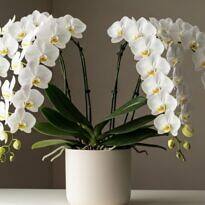
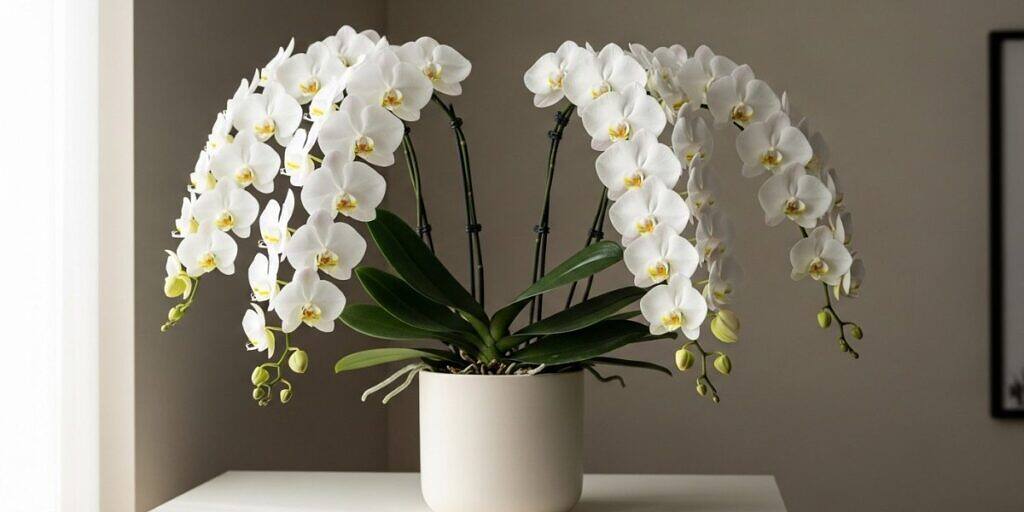
The charm is in the shape: long, arched flower spikes with blooms gently “falling,” like a small waterfall. This cascading orchid look draws attention, enhances interiors, and has become a synonym for elegance. But none of this happens by chance.
What people call a “cascading orchid”
The term “cascading orchid” is popular, commercial, and visual. It does not appear in botany textbooks or scientific records. It emerged because this shape sells better, enchants more, and photographs beautifully — especially for occasions like Mother’s Day, weddings, and interior décor.
In practice, any orchid with a flexible flower spike can take on the cascading orchid effect, as long as it is grown correctly. In other words, it is not exclusive genetics, it is training.
Where the cascading effect in orchids comes from
Every orchid produces its flower spike as it reaches toward the light. When this spike grows without a rigid stake, it responds to gravity and to the way the plant is positioned. Over time, the weight of the flowers does the rest of the work: the spike naturally bends and starts to grow downward.
Keep this key point in mind:
- the orchid is not “born cascading”;
- the environment and the way it is handled are what shape the form.
If the spike is staked from the beginning, growth tends to remain vertical. If it is left free, especially in elevated spots, the cascading orchid effect appears.
The technique used by growers and florists
The secret behind a cascading orchid in professional greenhouses and flower shops is all about timing. Experienced growers know exactly when not to use a stake — or when to remove it — to allow the spike to find its own path and form a beautiful, stress‑free curve.
Several factors help intensify the cascading orchid effect:
- light coming from the side or from above;
- pots placed on shelves, tall stands, or hanging containers;
- long flower spikes without tight ties or rigid supports.
Nothing is forced. The curve develops gradually, in line with the plant’s natural growth. That is what creates a harmonious and healthy cascading orchid display.

Which orchids respond best to the cascading effect
Not every orchid produces an attractive cascading display. Cascading orchids work best when they have:
- long, flexible spikes;
- flowers distributed along the spike;
- predictable, vigorous growth.
Forcing the cascading orchid effect on plants with short or rigid spikes can lead to breakage and loss of blooms — and what was meant to be a “waterfall” of flowers quickly turns into frustration.
Are there orchids with a naturally cascading effect?
Here is a detail that is rarely mentioned: although the term “cascading orchid” is usually used to describe a training technique, there are indeed orchids whose pendulous effect is natural. In these cases, it is not the staking or training that creates the look, but the plant’s own growth habit. Some types produce flower spikes that naturally emerge facing downward, such as Coryanthes, while others have naturally pendant canes, like Dendrobium aphyllum, causing the flowers to “fall” one after another.
Because of this, they are often grown in hanging baskets or suspended pots, precisely to respect that natural growth pattern. Even so, they are less common in mainstream garden centers, which explains why most people know only the cascading orchid created by technique, and not those that already grow with this effect on their own.
Can you create a cascading orchid effect at home?
Yes, you can — and this is the detail almost no one talks about. However, it does require observation. Ideally, you should:
- let the spike grow freely from the start (or loosen any staking at the right time);
- avoid bending or tying the spike downward;
- ensure good light and enough space for the spike to “draw” its natural curve.
A true cascading orchid display appears with time, gravity, and patience, not with haste.

Why the cascading effect enhances the plant so much
Visually, a cascading orchid conveys movement, lightness, and sophistication. It breaks away from the obvious, fills the space in an elegant way, and creates instant impact — which is why the cascading orchid look is so often used in store displays and interior design projects.
Now that you understand it’s not a plant species, but a growing technique (with a few very specific natural exceptions), it becomes clear: the cascading effect is no mystery. It’s applied knowledge. And that completely transforms the way you grow — and appreciate — orchids.