Summer brings vibrant colors to the garden and plants growing at full speed, but it also invites some unwelcome visitors. With heat and humidity, several common summer garden pests multiply quickly and can compromise the health of your favorite plants. The good news is that you can identify these summer garden pests easily and take action safely without using harsh chemical products.
The most common summer pests
Aphids: sap-sucking insects
Small, usually green or black, they appear in colonies on new leaves and tender shoots. Noticing curled or sticky leaves? They are probably aphids. They especially love roses, hibiscus, and vegetable crops.

Mealybugs and scale: the white specks
They look like bits of cotton or tiny scales stuck to leaves and stems. These summer garden pests suck plant sap and leave behind a sticky residue that attracts ants. Mealybugs and soft scale are common on succulents, orchids, and many ornamental plants.

Spider mites: almost invisible webbing
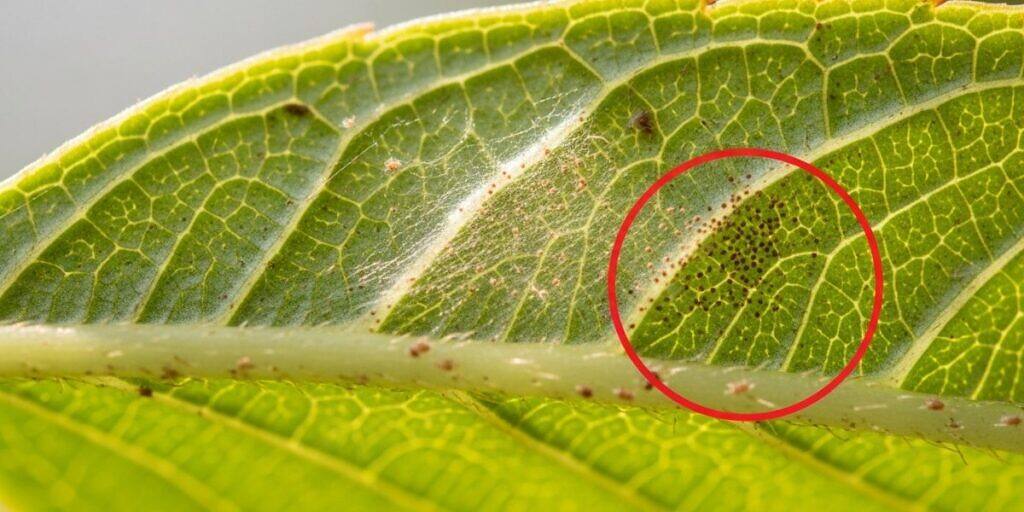
They are too small to see clearly with the naked eye, but you can spot their fine webbing on leaves and tiny yellow speckles. Some leaves start to look scraped, bronzed, or scorched. Spider mites thrive in very hot, dry summer weather.

Caterpillars: nighttime leaf-eaters
From my observations, caterpillars are the summer garden pests that surge in numbers most dramatically and cause significant damage. Leaves with irregular holes are a classic sign. Look for caterpillars on the undersides of leaves or near the soil line early in the morning.

Slugs and snails: silvery trails
They leave shiny, slimy mucus trails and can eat entire leaves overnight. Slugs and snails love moist, shady environments. You will often find them hiding under pots, stones, and fallen leaves in the early morning hours.
Golden tip: Inspect your plants in the morning at least twice a week. Early detection makes all the difference in pest control.

Safe and effective homemade garden pest solutions
Neem oil: the natural protector
Dilute one tablespoon of neem oil in 1 quart (1 litro) of water with a few drops of mild liquid dish soap. Spray on the plants at dusk, thoroughly coating the foliage. This garden pest solution works against aphids, scale insects, and spider mites.
Garlic spray: powerful repellent
Crush five cloves of garlic in 1 quart (1 litro) of water, let it sit for 24 hours, strain, and spray. This is excellent for repelling various garden pests and also has a mild fungicidal effect. Your plants will respond well to this treatment.
Coconut soap solution: simple and efficient
Dissolve one tablespoon of grated coconut soap in 1 quart (1 litro) of warm water. Apply with a spray bottle directly onto aphids and scale insects. The soap breaks down their protective coating and helps control these garden pests.
Strong water jet: the simplest solution
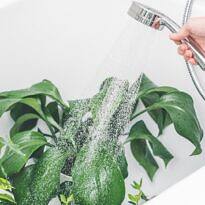
For aphids and spider mites, a strong jet of water in the morning can knock down entire colonies. Repeat for three consecutive days.
Barriers for slugs and snails
Spread crushed eggshells, used coffee grounds, diatomaceous earth, or coarse sand around your plants. These rough textures act as physical barriers that are uncomfortable for these garden pests, and they tend to avoid crossing them. Another effective option is to place small shallow containers filled with beer near affected plants. The smell attracts slugs and snails, which end up drowning in the liquid. You can also hand-pick them at dusk or early in the morning, when they are most active.
Hand-picking
In my daily gardening practice, I have found that the most effective way to eliminate caterpillars, slugs, and snails is good old-fashioned hand-picking.
As soon as you spot them, pick the caterpillars off one by one and place them in a paper bag. Apply lime inside the bag and bury it. Do not touch hairy caterpillars without protection. Wear gloves to avoid serious burns and poisoning.
Prevention: the best remedy
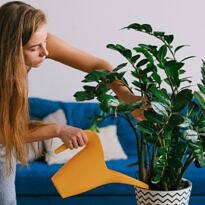
Healthy plants are naturally more resistant to pests. Keep the soil well nourished with compost, water properly without waterlogging, and ensure good air circulation between plants. Diversify your garden with aromatic plants such as marigold, basil, rosemary and mint, which naturally help repel insects. Pests tend to reproduce where they find large patches of the same type of plant; it is almost as if they are magnetically attracted to monocultures.
To prevent slugs and snails, avoid watering at night and remove fallen leaves and plant debris where they can hide. Reduce excess moisture in shaded corners of the garden.
Important: Always test any homemade solution on a small part of the plant first. Wait 24 hours to see if there is any negative reaction before applying it to the entire plant.
With consistent attention and these accessible garden pest control strategies, your garden can stay vibrant and healthy all summer long, without the need for harsh chemicals or pesticides that are dangerous to human health and the environment. The key is to observe, act quickly, and keep your plants strong and well cared for.