
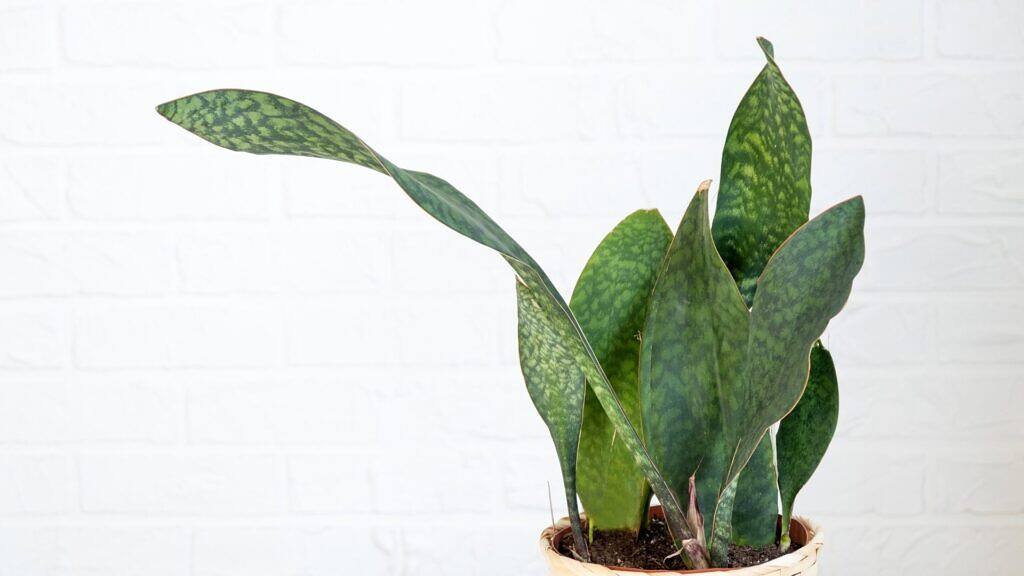
Whale Fin Snake Plant (Dracaena masoniana) is a perennial succulent that stands out for its sculptural silhouette and the distinctive presence of its broad leaves. Unlike other species in the same group, which usually form dense clumps of narrow leaves, it often produces only one or two leaves per growth cycle, giving it a clean, modern look. It is a plant that draws attention for its sturdy form and color patterns that resemble the skin of marine animals, which explains its common name.
This species is highly sought after by collectors and indoor décor enthusiasts because of its resilience and low maintenance requirements. It survives in conditions where few plants would thrive, tolerating low-light environments and prolonged dry periods. In the garden, it acts as a sculptural plant with a firm texture and exotic pattern, capable of transforming shaded corners or large container arrangements with its broad, imposing form.
Enjoyed this guide? There's more where it came from.
Understanding why plants behave the way they do is what turns guesswork into a thriving garden. That's exactly what we share in the Shrubz newsletter — free, straight to your inbox:
- Seasonal care reminders timed to your gardening calendar
- Propagation and pruning techniques, explained step by step
- Pest and disease alerts — catch problems before they spread
Origin, Habitat, and Etymology
Whale Fin Snake Plant is native to the Democratic Republic of the Congo in Central Africa. In its habitat, it typically grows in dry tropical forest areas under the shelter of tree canopies in shaded locations, where the soil is well drained and rich in decomposed organic matter. This origin in tropical climates, but with dry spells, explains its ability to store water in its tissues and its aversion to excess moisture around the roots.
The etymology of the genus Dracaena, to which the plant was reclassified by botanists (it was previously known as Sansevieria masoniana), comes from the Greek drakaina, meaning “female dragon.” The name refers to the reddish resin found in some trees of the genus, known as dragon’s blood. The specific epithet masoniana honors Maurice Mason, a British collector who gathered specimens of this species in Congo and introduced them into ornamental cultivation.
Landscape use of Whale Fin Snake Plant
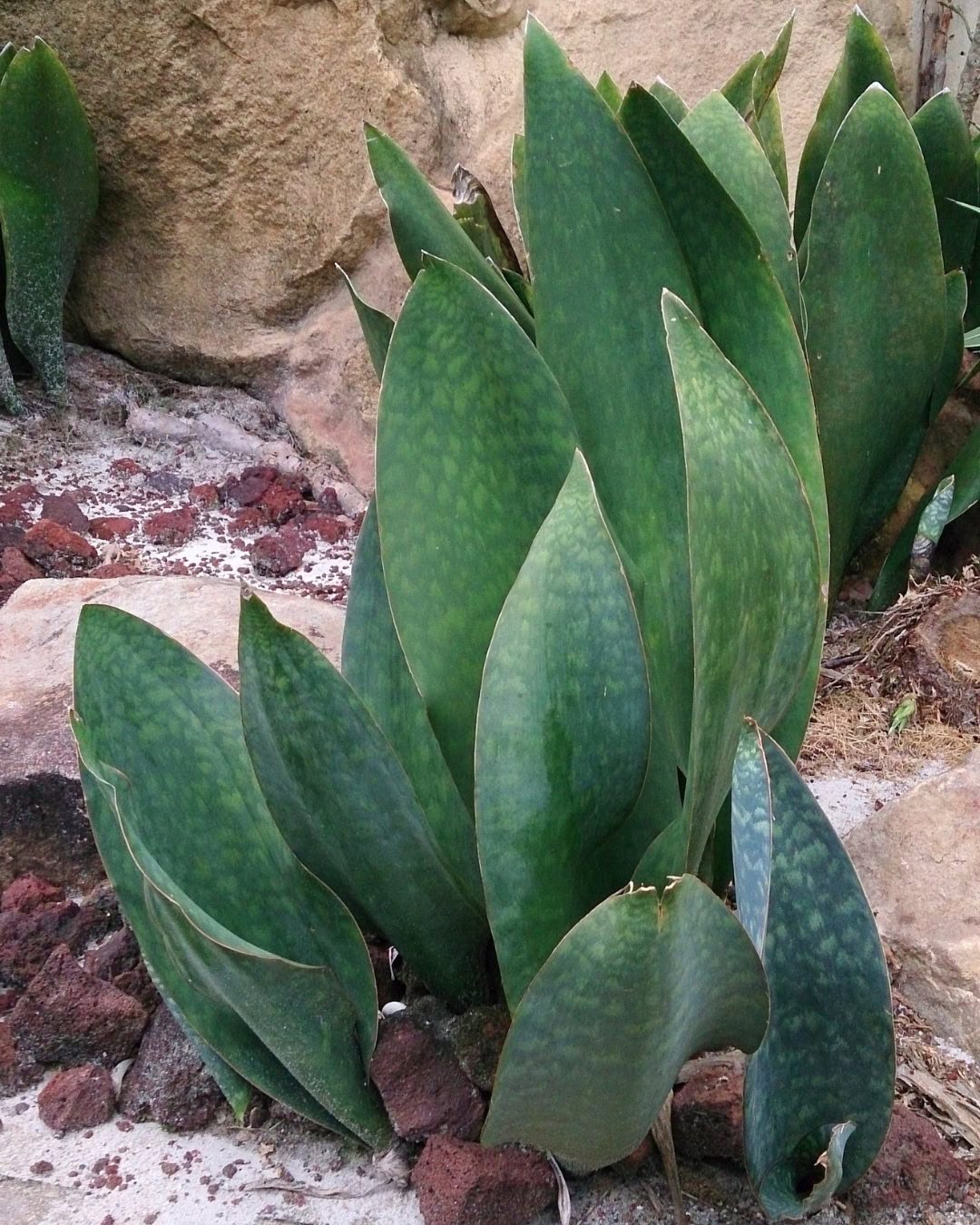
Whale Fin Snake Plant is used in landscaping for its sculptural value. Because it has broad leaves that can reach up to 10 inches wide (25 centimeters), it creates an immediate visual contrast with plants that have fine, feathery, or delicate foliage. To achieve a massing effect in beds, the recommended planting spacing is 16 to 24 inches (0.40 m to 0.60 m) between plant centers. Growth is slow to moderate, which helps keep the garden design stable without frequent maintenance.
In tropical or contemporary garden compositions, it works as a standout groundcover beneath tree canopies. Another use is to place it in front of taller shrubs with light-colored, densely textured foliage, such as Pleomele (Dracaena reflexa). While pleomele provides volume in the mid-level layer, Whale Fin Snake Plant brings a solid base that anchors the composition.
In indoor spaces and balconies, the plant functions as a design element. Planted on its own in ceramic or concrete pots, it enhances minimalist settings. It is one of the safest choices for offices and air-conditioned living rooms, since it tolerates low humidity and reduced indoor light. It is important to avoid very thin plastic pots, as the underground rhizomes are strong and may deform or break fragile containers.
How to care for Whale Fin Snake Plant: growing guide
- Light: Prefers shade or partial shade. In warm climates, it should be protected from direct sun during the hottest hours to avoid leaf burn. It tolerates low, indirect indoor light, although growth becomes almost imperceptible under these conditions.
- Potting mix: Requires soil with excellent drainage. A balanced mix of topsoil, coarse construction sand, and well-aged organic compost works well in pots and beds.
- Watering: Watering should be spaced out. The potting mix should dry out before watering again. In winter or indoors, watering should be reduced. Water accumulation in the center of the leaf rosette should be avoided to prevent rot.
- Climate: Grows best in tropical and subtropical climates. It does not tolerate frost or temperatures below 50°F (10°C) for long periods, which causes cold damage and tissue death.
- Air humidity: Adapts well to the average humidity found in cities. It does not require leaf misting or a humidifier. It can be grown in air-conditioned environments.
- Fertilizing: This can be done with mineral fertilizers such as NPK 10-10-10 or formulas specifically for foliage plants.
The application should follow the manufacturer’s instructions during spring and summer. - Pruning: It does not require training pruning. Only removing dry or damaged leaves at the base is necessary to maintain its appearance. Wait for the leaf to turn yellow before removing it, so the nutrients can be properly mobilized and recycled.
How to propagate Whale Fin Snake Plant
The most effective way to propagate Whale Fin Snake Plant is by division. Since the plant has robust, fibrous underground rhizomes, simply dig up the plant and separate the rhizome sections. Each section should have at least one healthy leaf and a portion of roots. After separating them, let the cut dry in the shade for one or two days so it can callus before replanting in the new potting mix.
Leaf cuttings are also possible. A leaf can be cut into 4 to 6 inch (10 to 15 centimeter) crosswise sections, which should be partially buried in moist sand. Roots and new shoots will emerge from the base of the cutting. This process is slow and, in the case of variegated varieties, the daughter plant will revert to the original green form, losing the yellow stripes of the mother plant.
Botanical description of Dracaena masoniana
This succulent plant has a medium size, reaching between 2 ft (0.60 m) and 5 ft (1.50 m) in height. Its texture is herbaceous, with leathery, stiff leaves that feel like leather. As a monocot, its root system is fibrous, arising from thick underground rhizomes with an orange to brown coloration.
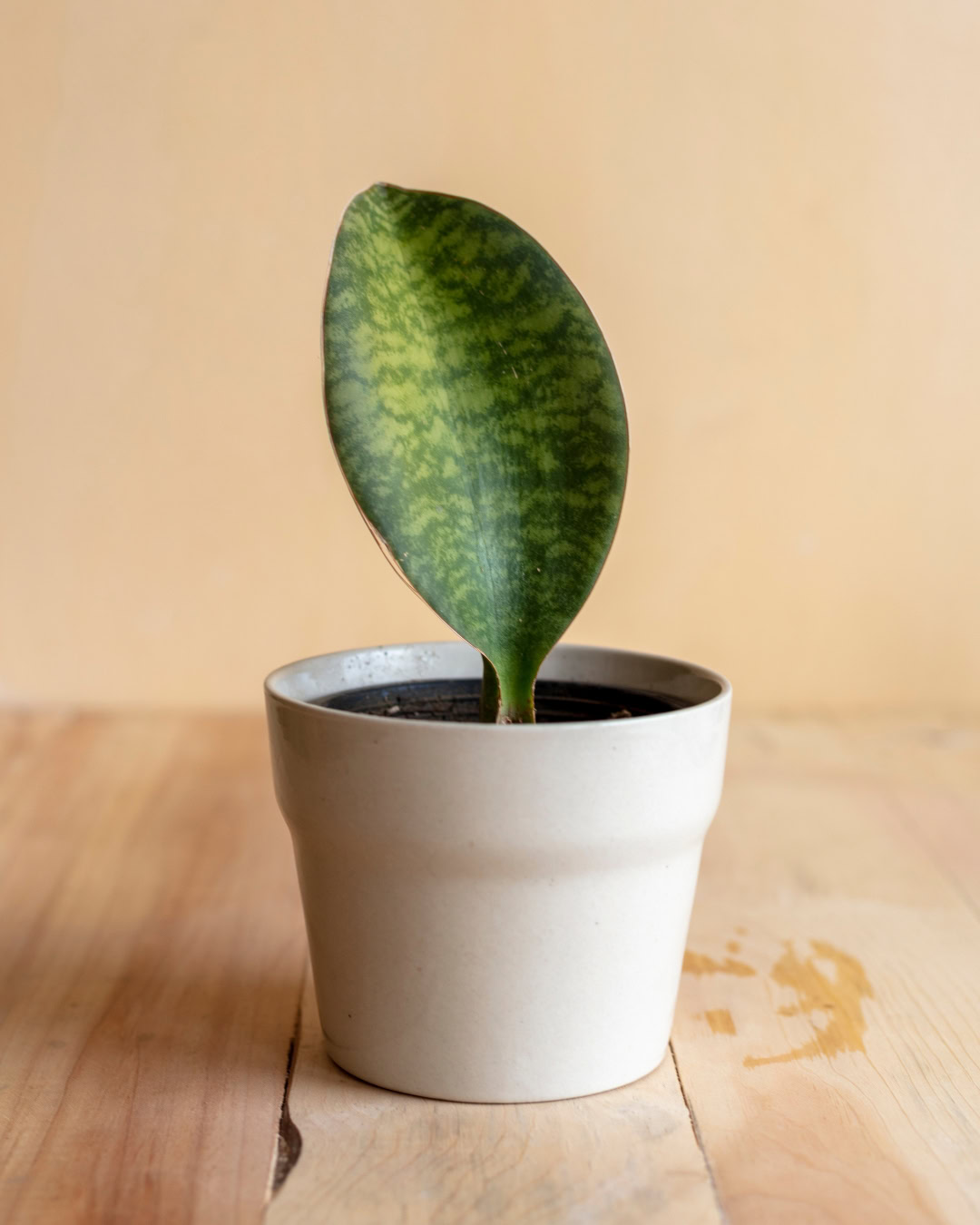
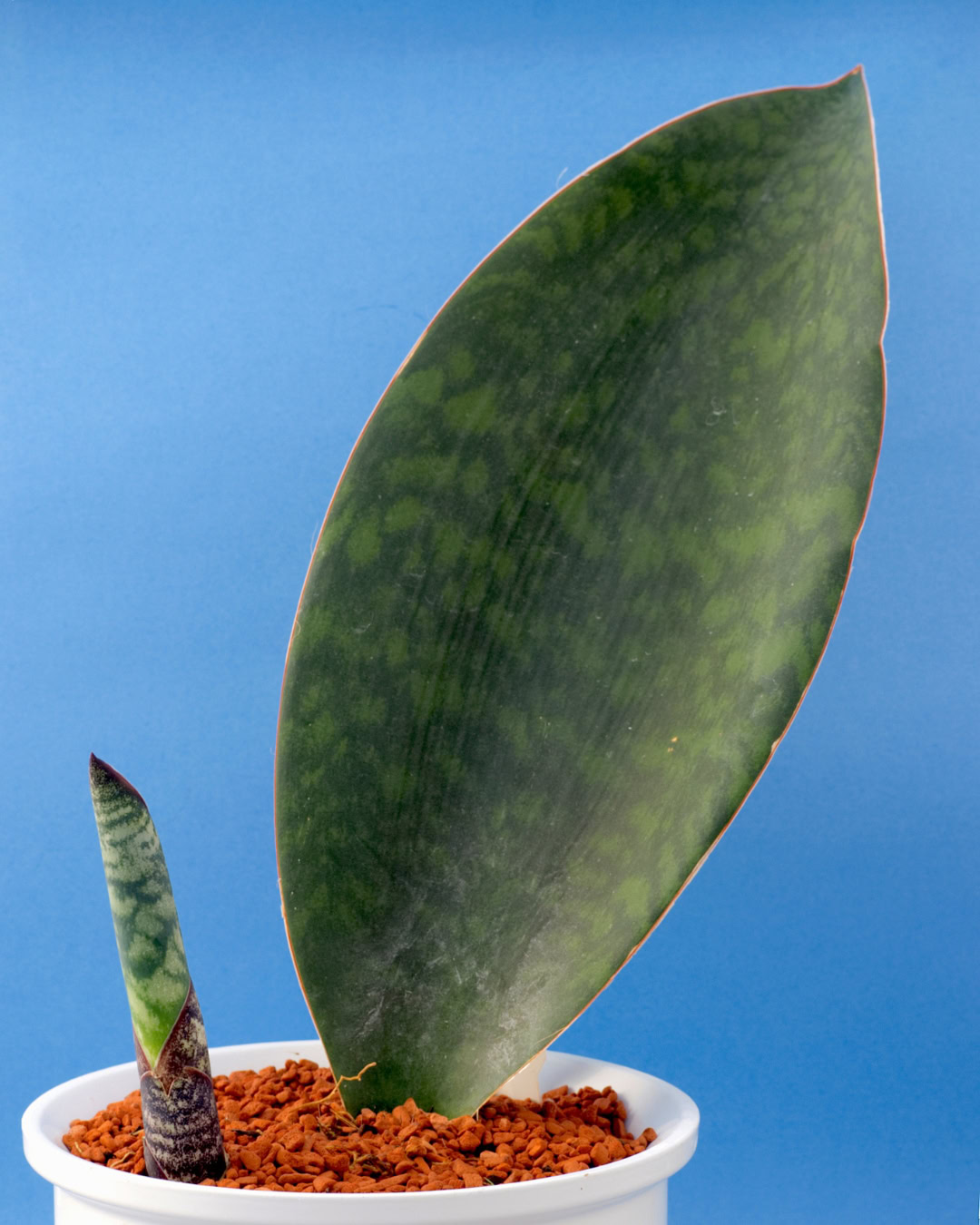
The plant has no visible above-ground stem. The leaves emerge directly from the underground rhizome in a basal arrangement. Each growth typically produces a single leaf (monophyllous), broadly ovate to lanceolate in shape. The leaf has a marbled pattern, with light green blotches on a dark green background. The leaf margins are thin, slightly wavy, and show a reddish or brown line, ending in an acute tip.
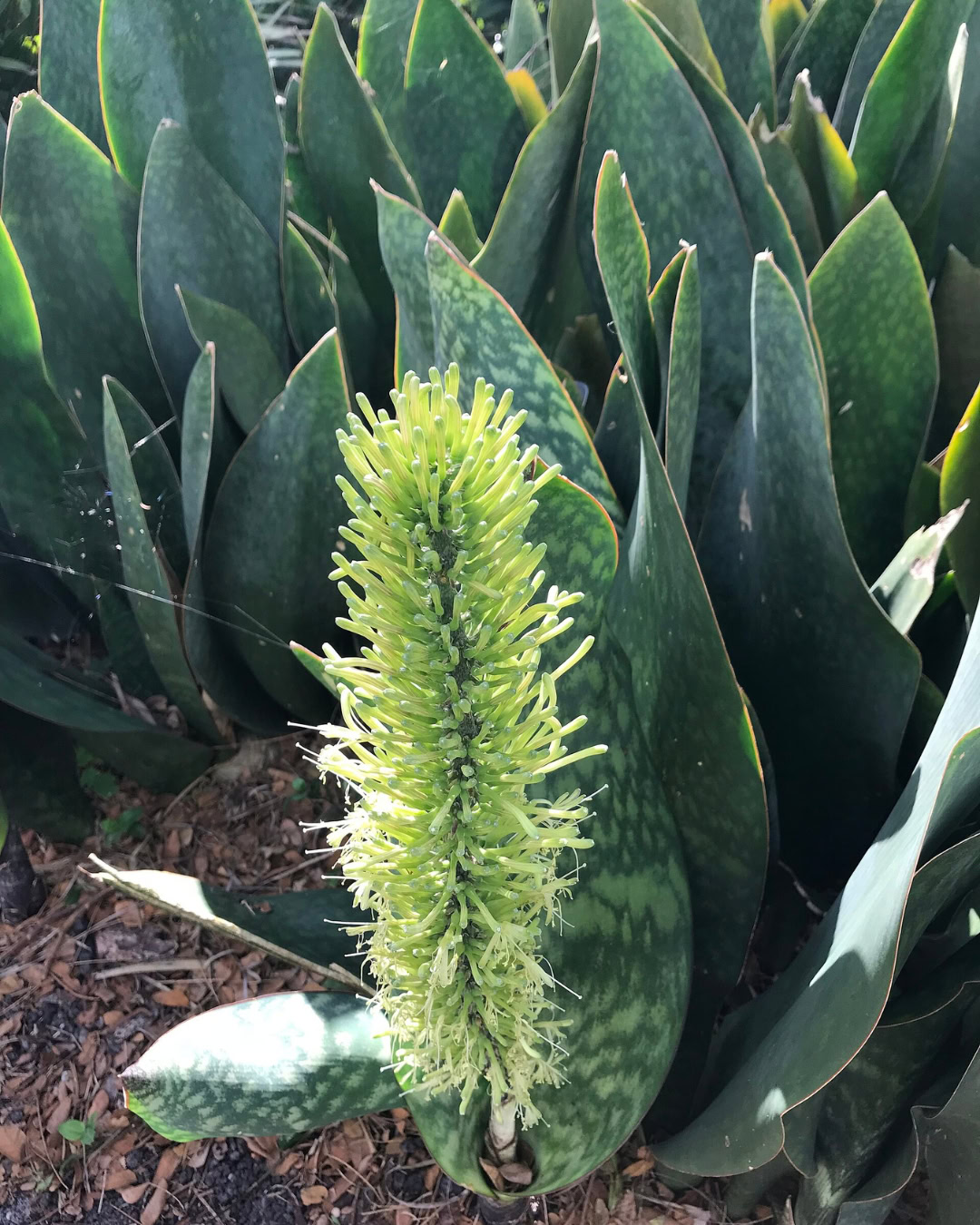
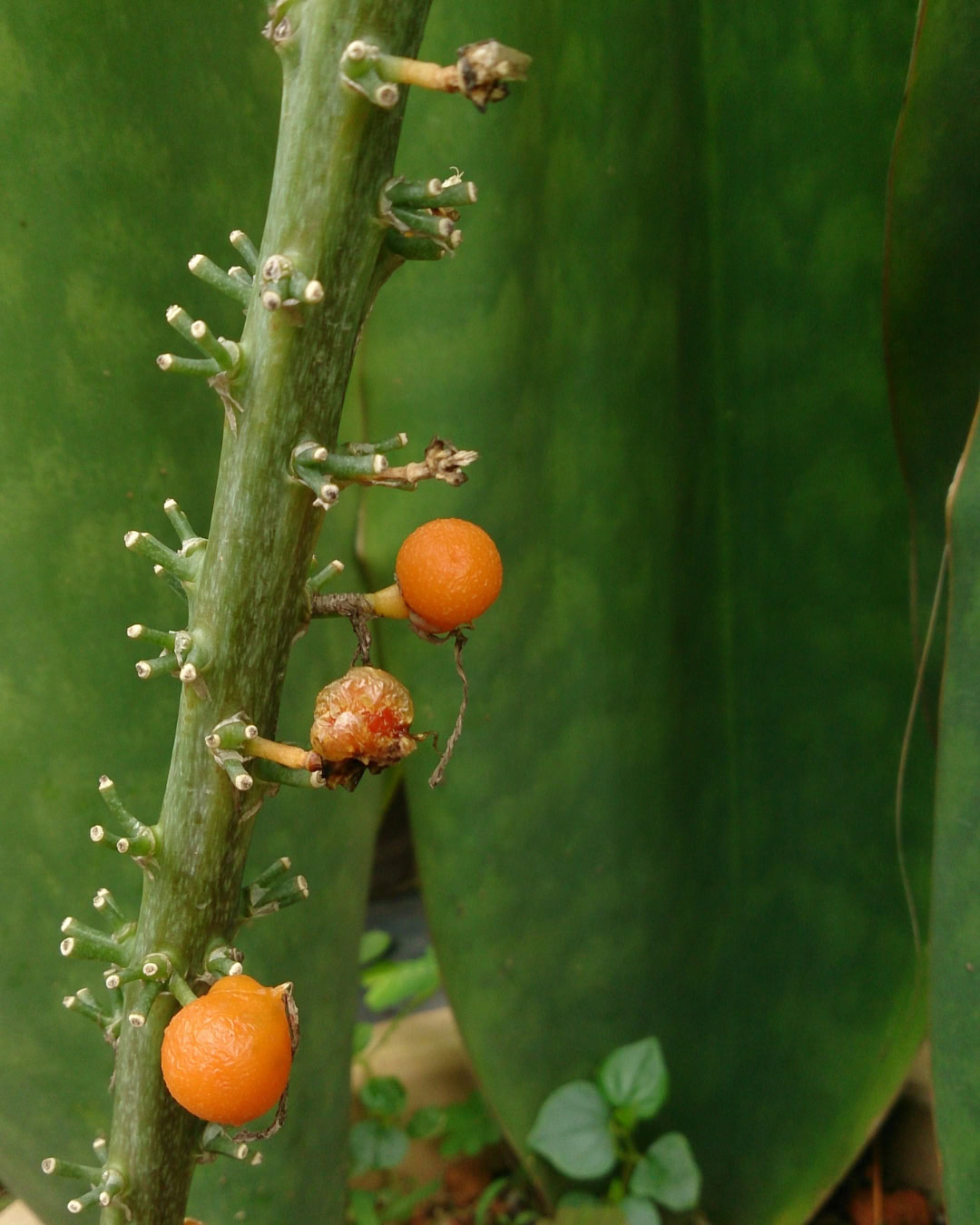
Flowering is rare indoors and occurs predominantly at the height of summer. The inflorescence emerges from the center of the base, forming a dense, cylindrical raceme. The flowers are small, tubular, and white-green or cream in color. They release a sweet scent at night to attract pollinators, especially moths. The fruit is a small, round berry that turns orange when ripe.
Main varieties and cultivars
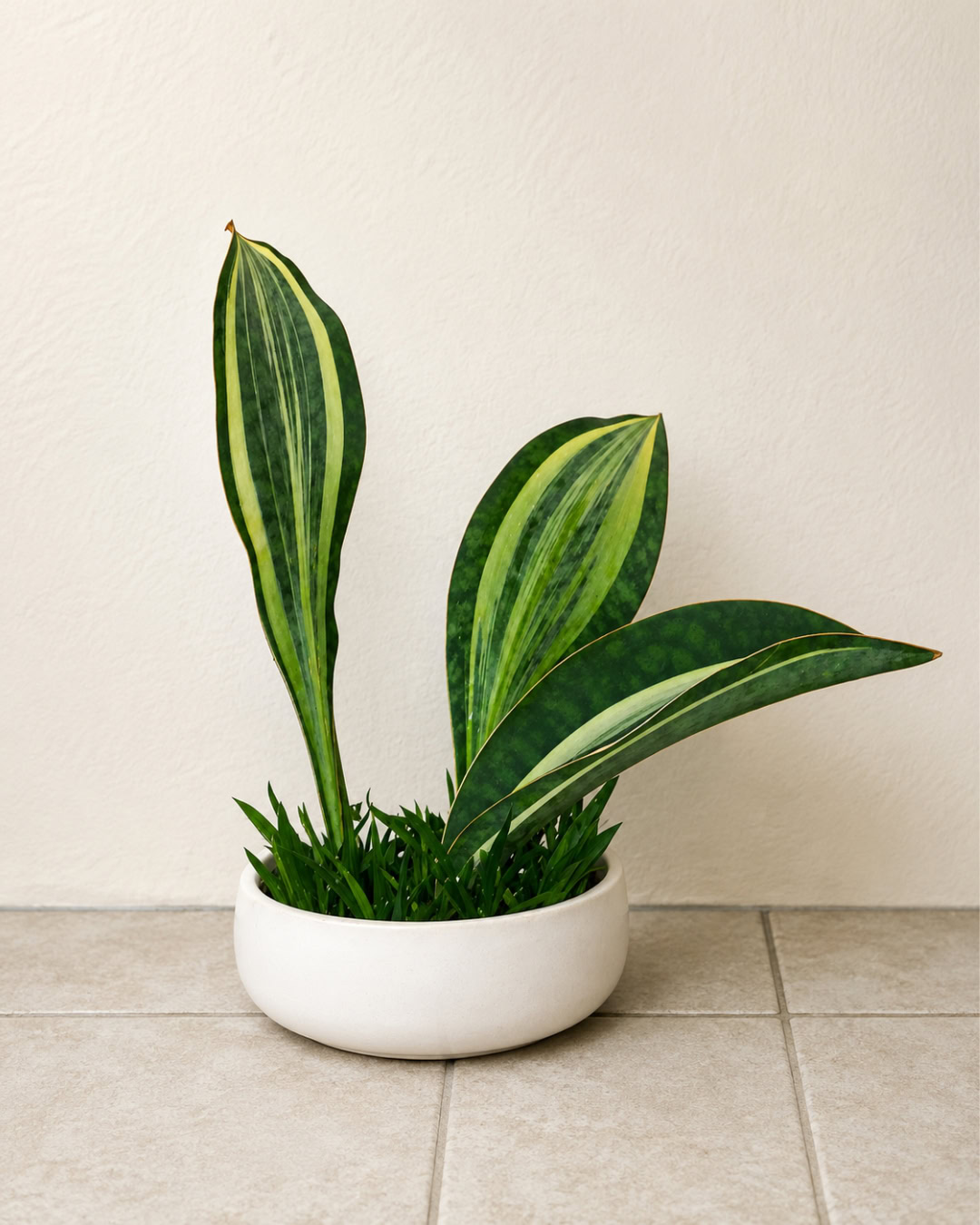
- ‘Variegata’: This is the most sought-after cultivar, characterized by longitudinal stripes in cream-yellow or white tones that contrast with the marbled green of the leaf. It requires a little more light to maintain bright colors and variegation, but never intense direct sun.
Pests, diseases, and solutions
Scale insects are the most common pests, settling at the base of the leaves or in the rhizome crevices. They can be controlled manually with a soft brush and coconut soap, or by applying neem oil. It is important to regularly monitor the base of the plant.
Root rot is the most serious problem, caused by overwatering or poor drainage in the pot. If the base of the leaf becomes soft and darkened, it is a sign of soil-borne fungi. The solution is to stop watering, remove the affected parts, and replant in dry potting mix. Anthracnose can also occur, appearing as dry circular spots on the leaves in places with poor air circulation.
Interesting facts
Whale Fin Snake Plant has a certain degree of toxicity due to the presence of saponins in its tissues. If ingested by dogs or cats, it can cause irritation of the oral mucosa, excessive drooling, and nausea. Therefore, it should be kept out of reach of pets that tend to chew on foliage.
In addition to its ornamental beauty, the plant is often mentioned in discussions about indoor air quality. In the well-known NASA/ALCA technical report conducted by Wolverton, Johnson, and Bounds in 1989, species from the same genus were tested in sealed chambers and showed the ability to reduce volatile compounds such as formaldehyde, benzene, and trichloroethylene under controlled conditions. In Africa and Asia, fibers from plants of this genus have been used to make ropes and nets, taking advantage of the mechanical strength found in their stiff leaves.