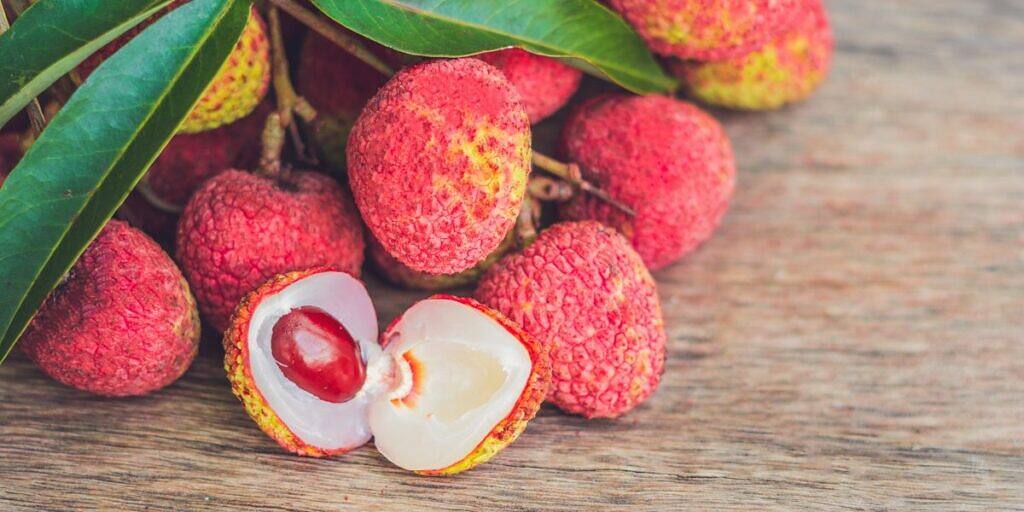
If you’ve found this article, you’re probably like me: passionate about this fruit and tempted to plant your own lychee seeds. These little fruits, also called “tree strawberries” in some places, are sweet, refreshing, and a perfect summer snack.
And believe it or not, planting lychee seeds is simpler than it looks, but most people make a mistake right at the beginning. The issue is not the pot, the potting mix, or the watering, but how long the lychee seed stays out of the fruit before planting. When this detail is ignored, germination fails. When it is respected, lychee seeds sprout faster than you might expect.
Choosing the right lychee seed is the most important step
Everything starts with choosing the right seed. It should come from a fully ripe, healthy lychee that was eaten very recently. As soon as the fruit is opened, the lychee seed must be rinsed with clean water only, removing all traces of pulp that could promote fungal growth.
Enjoyed this guide? There's more where it came from.
Understanding why plants behave the way they do is what turns guesswork into a thriving garden. That's exactly what we share in the Shrubz newsletter — free, straight to your inbox:
- Seasonal care reminders timed to your gardening calendar
- Propagation and pruning techniques, explained step by step
- Pest and disease alerts — catch problems before they spread
Unlike many other plants, a lychee seed cannot be stored or left to dry. It is considered a recalcitrant seed, meaning it quickly loses viability after being removed from the fruit and when exposed to dry air. This explains why so many attempts to plant lychee seeds fail, even when people are careful with the potting mix and planting method.

The simple trick to germinate lychee seed quickly
The trick is to plant the lychee seed as soon as possible and keep the moisture consistently high from day one. A simple practice that helps a lot is soaking the lychee seed in clean water for about 24 hours before planting. This ensures full hydration and triggers the natural germination process.
In general, seeds interpret this initial hydration as the signal they need to “wake up” and start germinating. It’s as if the lychee plant senses that conditions are right and it’s time to sprout.
This method helps you avoid the most common mistake: trying to plant a lychee seed that has already lost its ability to germinate. When done correctly, lychee seed germination usually occurs within two to three weeks, which is considered fast for fruit trees.
How to correctly plant lychee seeds
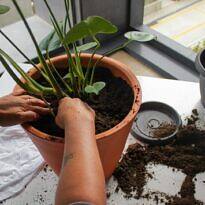
Choose a pot with drainage holes and prepare a light, well‑aerated potting mix. A blend of garden soil, sand, and organic compost is sufficient for this initial lychee seed cultivation. Make a small hole about 1 to 1.2 inches (2 to 3 cm) deep and place the lychee seed on its side or slightly tilted, then cover it gently.
After planting, water until the potting mix is moist but never waterlogged. Excess moisture can cause the lychee seed to rot before it has a chance to germinate. Avoid adding too much fertilizer at this stage, as an excess of nutrients may burn the delicate root that is about to emerge. In addition, because it has a large seed, the lychee tree stores enough energy to sustain itself very well during the first few weeks, without the need for any fertilizer.

Essential care after planting
Keep the pot in a bright location with plenty of indirect natural light. Avoid intense direct sun during the first few weeks. The potting mix should stay slightly moist, with regular watering, always taking local climate conditions and drainage into account.
With these basic lychee care steps, the first sprout appears in a short time. From that point on, the seedling begins to develop gradually, indicating that the process was successful.
However, the time it takes to harvest the first lychee fruits varies greatly depending on how the young plant was produced.
When a lychee tree is grown from seed, it goes through a longer juvenile phase and may take 8 to 12 years to begin producing. It also needs to be planted in the ground so it can grow and reach maturity, which is very difficult and uncommon in containers.

By contrast, lychee trees propagated by air‑layering can be grown more easily as fruiting container trees and come into production much earlier, usually within 3 to 5 years, because they are formed from mature branches of already productive lychee trees.
That’s why growing lychee from seed is an excellent option for anyone who wants to learn, experiment, or simply enjoy cultivating the tree for pleasure, while air layering is the ideal method for those who want to harvest fresh lychees in less time.
If you’d like to deepen your knowledge of lychee cultivation, watch the video below and discover several practical tips on growing lychee trees.