Prosperity plants: why do they gain strength at New Year’s?
As the year draws to a close, the house fills up with people, promises, and plans… and, for many, it also fills up with plants. It’s no coincidence that so‑called prosperity plants stand out in December: they blend beauty, tradition, religious symbolism, and a touch of that hope of “starting the year off on the right foot.”
In practice, the use of plants associated with money, abundance, and protection comes from a vast cultural melting pot: Indigenous traditions, popular Catholicism, African‑based religions, Feng Shui influences, and family customs passed down from generation to generation.
These prosperity plants embody symbols, rituals, and meanings that help channel intention, organize the home, create a sense of well‑being, bring in good energy, and sometimes remind us of the commitments we’ve made to ourselves for the year ahead.
Below, you’ll find 7 plants that are very popular when it comes to prosperity, all relatively easy to find in florists and garden centers, along with their most common meanings, uses in New Year’s rituals, and basic care so they stay healthy—because, let’s be honest, a wilted plant on New Year’s Eve doesn’t exactly match a renewal mindset.
Enjoyed this guide? There's more where it came from.
Understanding why plants behave the way they do is what turns guesswork into a thriving garden. That's exactly what we share in the Shrubz newsletter — free, straight to your inbox:
- Seasonal care reminders timed to your gardening calendar
- Propagation and pruning techniques, explained step by step
- Pest and disease alerts — catch problems before they spread
1. Snake plant: protection that clears the way for prosperity

The snake plant (Dracaena trifasciata) is probably the plant mentioned most often when talking about spiritual protection and opening paths to prosperity. In many homes, it is placed right by the front door, acting as a true guardian of the household.
Spiritual and syncretic symbolism
In African‑based religions, this prosperity plant is associated with Ogun, the warrior orixá linked to roads, work, and strength. In popular Catholicism, it is connected to Saint George, the warrior saint who slays the dragon and protects against evil and injustice.
For that reason, many people see the snake plant as a “green shield” against envy, the evil eye, and obstacles that block prosperity from flowing.
It is common to:
- Place a pot by the front door, preferably with the leaves pointing upward.
- Use it in arrangements with ribbons, white candles, and coins on New Year’s Eve, asking for protection for the new cycle.
- Take a leaf (always with respect) to place on home altars when making intentions.
Basic care and cultivation
Snake plant is hardy and tolerates many mistakes, which helps its reputation as a plant that brings “good energy”:
- Light: partial shade or bright indirect light. It tolerates a few hours of direct sun per day, as long as it is gradually acclimated.
- Watering: infrequent watering; the potting mix should dry out partially between waterings. Too much water is worse than too little.
- Potting mix: well-draining, with plenty of sand or other materials that promote fast drainage.
- Location: excellent in containers for entry halls, covered balconies, or bright living rooms.
Toxicity and safety around children and pets
As with other Dracaena species, snake plant may contain calcium oxalate crystals in its tissues. Ingesting parts of the plant can cause oral and digestive irritation in pets and children. Ideally, keep the pot out of reach of anyone who tends to chew on leaves “out of curiosity.”
2. Lucky bamboo: balance and flow according to Feng Shui

The popular lucky bamboo sold as rooted stems grown in water, often braided, is actually Dracaena sanderiana, a distant relative of true bamboos. It is very popular in offices, stores, and on study desks.
Symbolism for New Year’s and in the home
In Feng Shui, lucky bamboo is commonly associated with:
- Balance among the elements (water, wood, earth).
- Continuous, flexible growth that does not “break” in the face of difficulties.
- Harmony in professional and family relationships.
There are arrangements in which the number of stems has specific meanings: health, love, business prosperity, among others.
At the turn of the year, it is common to:
- Place lucky bamboo on work desks, wishing for a more prosperous year in one’s career.
- Give friends and family small stems decorated with red or gold ribbon.
How to properly care for lucky bamboo
Although it grows well in water, lucky bamboo does not tolerate neglect:
- Light: bright location, but without harsh direct sun on the foliage.
- Water: change the water regularly (generally once a week) and keep the level covering the roots, never the leaves.
- Optional potting mix: it can also be grown in a pot with well‑drained soil.
- Environment: perfect for indoors, as long as it is kept away from very cold air conditioning or constant fans.
Toxicity
Like other members of the genus Dracaena, lucky bamboo may contain irritating compounds if ingested by pets. If you have dogs or cats that chew on leaves, it is wise to place the lucky bamboo arrangement on high shelves or in less accessible spots.
3. ZZ plant: plump leaves and a reputation as a money plant

The ZZ plant (Zamioculcas zamiifolia) has gained a lot of visibility in recent years, both for being very tolerant indoors and for its popular nickname, the “money plant.” Its glossy, succulent leaves strongly evoke the idea of abundance.
Symbolism of wealth and stability
Many people associate the ZZ plant with:
- Financial stability — thanks to its tuberous roots, which store water and nutrients.
- “Money that multiplies” — represented by the new shoots that emerge from older structures.
- Good luck in offices, on study desks, and at home entrances.
In the New Year’s atmosphere, it is common to place the ZZ plant in prominent spots, near the front door or in the living room, sometimes with coins or small gold‑colored objects on the surface of the pot, as a way to symbolize positive financial flow.
Essential care to keep your ZZ plant looking good
Although it tolerates some neglect, the ZZ plant has clear preferences:
- Light: partial shade, with medium to bright indirect light. It copes with shadier rooms, but grows more slowly.
- Watering: moderate and spaced out.
- Potting mix: well-draining, with good aeration. Waterlogging is one of the few truly serious problems for this species.
- Location: excellent for living rooms, offices, and indoor hallways.
The potting mix should dry out well before the next watering, as the roots store water.
Toxicity: beautiful, but not edible
Zamioculca also contains calcium oxalate crystals, which can cause oral irritation, vomiting, and intestinal discomfort in pets and children if ingested. Contact with the sap on very sensitive skin may cause mild irritation in some people. Ideally, handle it wearing gloves when pruning or dividing clumps.
4. “String of coins”: the classic “green carpet” to attract abundance

“String of coins” (Callisia repens) appears in many prosperity rituals, usually hanging near the front door, on balconies, or verandas. It forms a cascade of small, numerous leaves, with a very striking visual of lush greenery and abundance.
Symbolism of multiplication and “attracting money”
This is one of those cases where the appearance of the plant closely matches the symbolism associated with it: tiny, numerous leaves, stems that multiply easily, and fast growth under favorable conditions. For this reason, it usually represents:
- Money that multiplies (little green “coins” cascading down).
- Income that spreads into several sources, like its trailing stems.
- Expansion of opportunities, especially when it is well cared for and full.
At New Year’s, some traditions include:
- Hanging the “string of coins” pot on the balcony, decorated with gold or yellow ribbons.
- Placing clean coins on the plant saucer, while focusing on financial goals for the coming year.
How to keep “string of coins” always full (and abundant!)
For the symbolism of abundance to make sense, the ideal is for the plant to look lush:
- Light: bright partial shade.
It prefers bright environments, but strong direct sun during the hottest hours of the day can burn the leaves. - Watering: regular, keeping the potting mix slightly moist, without waterlogging.
- Potting mix: fertile and light, with good drainage.
- Pruning: if the branches become too long and sparse, it is worth pruning the tips to encourage new, denser growth.
Toxicity
There are no reports of severe toxicity to humans in typical ornamental use, but as a general rule, no part of the plant should be ingested. In homes with pets that chew on plants, it is always wise to monitor their behavior and, in case of accidental ingestion, seek veterinary advice.
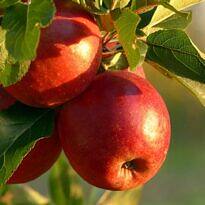
5. Pomegranate: from the New Year’s table to your pocket, a symbol of abundance

The pomegranate (Punica granatum) is perhaps one of the most traditional fruits associated with New Year’s prosperity. Even when the pomegranate plant itself is not growing in a pot, its fruits and seeds take center stage in widely known rituals.
Pomegranate tradition on New Year’s Eve and Epiphany
Culturally, the pomegranate appears closely linked to popular Catholic traditions, especially Epiphany (January 6), when many prosperity and protection rituals are performed in memory of the Three Wise Men. The large number of pomegranate seeds symbolizes:
- Abundance at the table.
- Multiplication of resources.
- Protection for the year that is beginning.
Among the most popular folk practices are:
- Eating 7 pomegranate seeds at the turn of the year and then keeping them well wrapped in your wallet.
- Storing seeds in small fabric pouches in cash drawers, cash registers, or in places where money and other valuables are usually kept.
These are symbolic pomegranate rituals, with no guarantee of any concrete effect, but many families have repeated them for decades as a way to renew their hopes.
Growing pomegranate in containers or in the garden
The pomegranate tree can be grown in a large pot or in the garden, with highly ornamental appeal, orange blossoms and showy decorative fruit:
- Light: it needs a few hours of direct sun per day to bloom and bear pomegranate fruit well.
- Watering: moderate, allowing the soil to dry slightly between waterings.
- Potting mix: well-drained, with good pot depth to accommodate the root system.
- Pruning: light structural pruning helps keep a compact habit and supports production of pomegranate fruit.
Culinary uses and care
Pomegranate seeds are widely used in cooking, fresh juices and assorted recipes. For New Year’s ornamentation, it is interesting to combine pomegranate fruit with other red and gold elements, creating an arrangement that blends tradition and aesthetics. For questions about the fruit’s nutritional aspects, sources such as the World Health Organization or scientific databases focused on nutrition can offer general information on fruit consumption as part of a balanced diet.
6. Bay laurel: the leaf of victory and good luck in business

Bay laurel (Laurus nobilis) is very well known in cooking, but it also has a long symbolic history. In ancient European traditions, laurel wreaths were used to celebrate victories and achievements — something that was culturally inherited and now blends with current folk practices.
Symbolism of victory, merit and recognition
In prosperity rituals, bay laurel usually signifies:
- Personal and professional victory.
- Recognition for one’s work.
- Good performance in studies and competitive exams.
For New Year’s, it is common to:
- Place bay leaves in the wallet as a symbol of successful business deals.
- Keep 1 or 3 leaves in clear jars along with coins.
- Use bay laurel in symbolic baths, together with other aromatic herbs, always taking care not to cause irritation on sensitive skin.
How to grow bay laurel in containers
Bay laurel is a tree suited to mild climates, but it can be grown in medium to large pots, making an excellent plant for balconies and backyards:
- Light: very bright exposure, with direct sun for part of the day.
- Watering: moderate, avoiding waterlogging.
- Potting mix: rich in organic matter and well drained.
- Pruning: occasional pruning keeps the plant at a suitable size for the pot and stimulates new shoots.
Slightly moist soil is enough.
Culinary use and safety
Bay leaves, when correctly identified as Laurus nobilis, are widely used in broths, beans, meats, and sauces. It is important not to confuse them with ornamental species that have similar-looking foliage. For general information on food safety and the use of seasonings, institutions such as FAO provide materials on good practices in food preparation.
7. Rosemary: memory, clarity, and good winds for the new cycle

Rosemary (Salvia rosmarinus) is an aromatic herb with a strong fragrance, widely used both in cooking and in rituals for energetic cleansing and renewal. In New Year’s arrangements, rosemary often appears alongside white flowers and candles.
Symbolism of mental clarity and protection
Traditionally, rosemary is associated with:
- Memory and focus.
- Gentle spiritual protection, linked to cleansing and “good thoughts.”
- Vitality and courage to face new challenges.
At New Year’s, it is common to:
- Use small rosemary sprigs in table arrangements, together with fruit and candles.
- Hang small dried bundles in the kitchen or by the door.
- Prepare symbolic baths with the herb, always checking whether the skin tolerates contact with aromatic plants well.
Growing rosemary in containers
Rosemary is excellent for those who want to combine symbolism, fragrance, and culinary use:
- Light: needs plenty of sun; ideally, direct sunlight for several hours a day.
- Watering: moderate to low; the potting mix should dry out between waterings. Excess water is usually more problematic than a brief lack of it.
- Potting mix: well drained, with a good amount of sand or other material that prevents waterlogging.
- Pruning: regular tip harvesting encourages branching and keeps the rosemary shrub fuller.
Culinary use and notes
Beyond its symbolic use, rosemary is very versatile in the kitchen, pairing well with potatoes, roasts, breads, and herbal infusions.
To better understand the role of aromatic herbs in balanced diets, pages from institutions such as the British Nutrition Foundation provide an overview of the use of seasonings and herbs in a healthy diet.
Other common beliefs about plants, luck, and energy
In addition to these 7 main species, many other prosperity plants are commonly mentioned when the topic is abundance and protection — rue, basil, ornamental pepper plants, among others. Each home, region, or religious tradition may have its own “favorites,” with specific stories and rituals.
An interesting point is how these beliefs connect to practical aspects of the environment:
- Properly caring for prosperity plants encourages home organization and a regular care routine — which on its own already promotes a sense of well-being.
- Spaces with more greenery tend to be perceived as more welcoming, which can influence our mood and energy.
- Plants in work environments can improve perceived comfort, helping productivity, as discussed in several lines of research on the built environment, environmental psychology, and architecture, available in academic and institutional sources such as the American Psychological Association.
Even so, it is important to keep a clear line between belief and evidence: symbolic value is real in the cultural sphere, but it does not replace financial planning, work organization, and health care.
Safety and toxicity: prosperity yes, accidents no
Some prosperity plants have natural chemical defense mechanisms, which means they must not be ingested and should be kept out of the reach of children and pets. The most common points of attention include:
- Presence of calcium oxalate crystals in species such as snake plant, ZZ plant (Zamioculcas zamiifolia), and lucky bamboo, which can cause intense irritation in the mouth and throat if chewed.
- Highly concentrated essential oils in herbs such as rue, which can cause skin irritation and photosensitivity when used incorrectly.
Some general recommendations to keep the New Year atmosphere safe:
- Correctly identify each plant species before using any part in baths, teas, or smudging.
- Avoid internal use (ingestion) of ornamental prosperity plants, focusing on decorative use.
- Place toxic pots out of reach of small children and curious pets.
- In case of accidental ingestion, seek medical or veterinary advice immediately.
For technical support in cases of poisoning, national poison control centers and health agencies listed on official pages of ministries and health departments are the main references.
How to choose your prosperity plants for New Year’s Eve
With so many options and meanings, choosing prosperity plants for New Year’s decoration can follow a few simple criteria:
- Connection with the symbolism: those seeking more protection can prioritize snake plant (Espada-de-São-Jorge); those who want focus and mental clarity, rosemary; for symbolic multiplication of resources, pennywort vine (dinheiro-em-penca) and pomegranate are widely used.
- Conditions in your home: if you have little direct sun, ZZ plant (Zamioculca) and snake plant (Espada-de-São-Jorge) tend to perform better. For sunny balconies, rosemary and pomegranate can thrive.
- Care routine: if your schedule is hectic, choose species that are more tolerant of occasional missed waterings, such as ZZ plant and snake plant.
- Presence of children and pets: consider species that are less problematic in case of ingestion and, if you opt for potentially toxic plants, plan the position of the pots carefully.
A good tip is to combine plants with a strong symbolic load of prosperity (such as pomegranate, pennywort vine and lucky bamboo) with others that bring a sense of peace and balance, creating a set that is both visually harmonious and meaningful for those who live in the space.
Plants, prosperity and New Year: what truly remains
Ultimately, prosperity plants work as small green reminders of our wishes for the coming year. Prosperity plants do not replace planning, discipline or concrete care for your financial and emotional life, but they can:
- Visually anchor goals and intentions — that hanging pot of pennywort vine on the balcony can remind you of your commitment to organize your finances more effectively.
- Create healthy rituals — watering, pruning and observing the plant’s growth is an invitation to practice presence and responsibility.
- Make your home more beautiful and welcoming, which helps start the year with a feeling of renewal.
Whether it is snake plant at the door, lucky bamboo on the work desk, ZZ plant in the entry hall, pennywort vine cascading down, pomegranates in the fruit bowl, bay leaves in a glass jar or rosemary scenting the kitchen, what matters is that these prosperity plants are meaningful to you.
May the prosperity of the coming year arrive not only in the form of numbers, but also as strong roots, healthy foliage, and the quiet joy of tending your own garden.