If you’ve ever lost a Gardenia and promised yourself you’d never try again, know that this is more common than you might think. Gardenia (Gardenia jasminoides), also known as cape jasmine, has a reputation for being difficult, but most of the time the problem isn’t the plant itself: it’s a simple detail involving soil, water, or light that goes unnoticed. Once that detail is corrected, it reveals itself as one of the most generous shrubs you can grow.
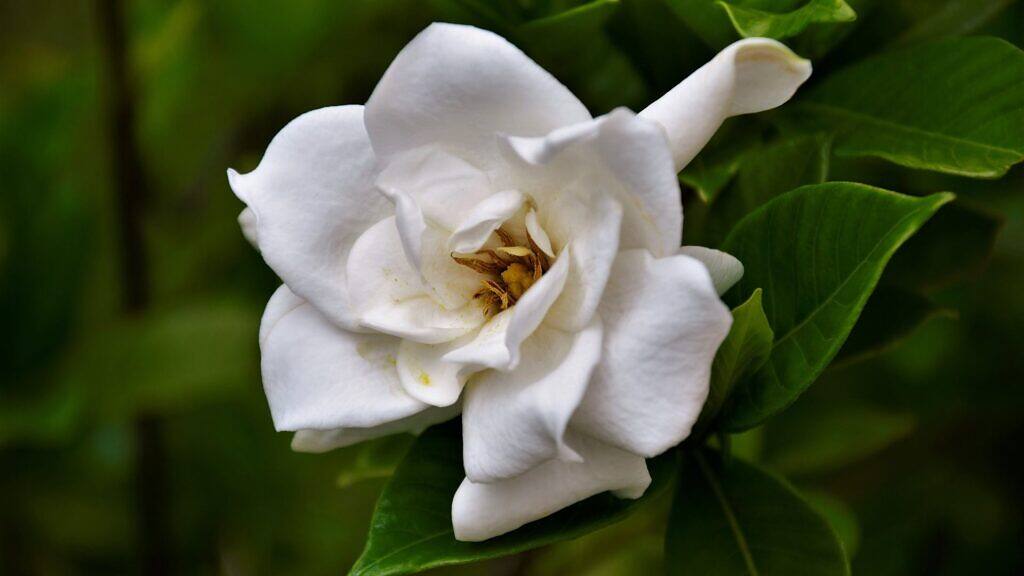
It is a woody, evergreen, highly branched shrub, easy to recognize from a distance by its glossy, dark green leaves and intensely fragrant white flowers. Belonging to the Rubiaceae family, the same family as coffee, Gardenia is among the most traditional fragrant plants in tropical, subtropical, and warm-temperate gardens.
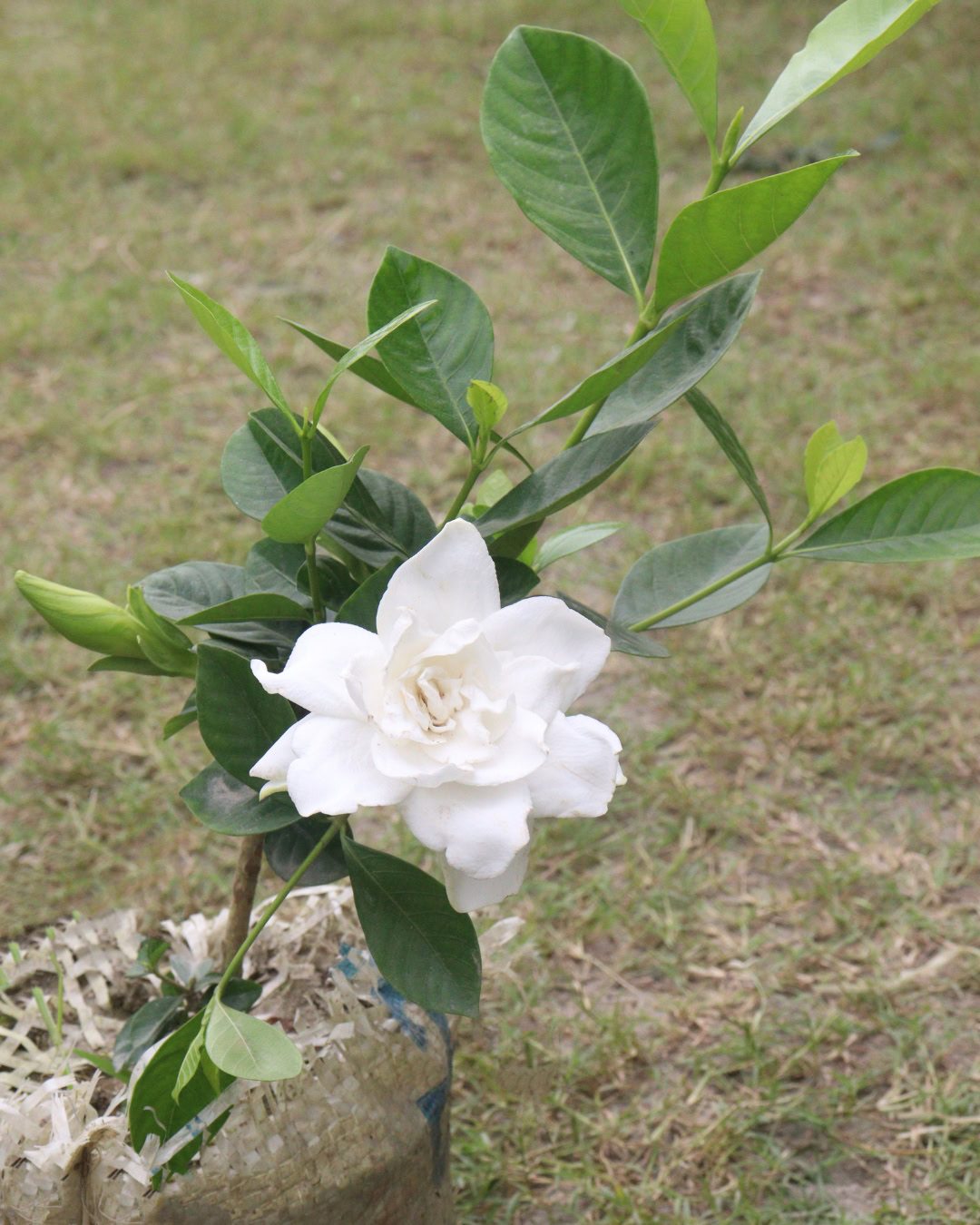
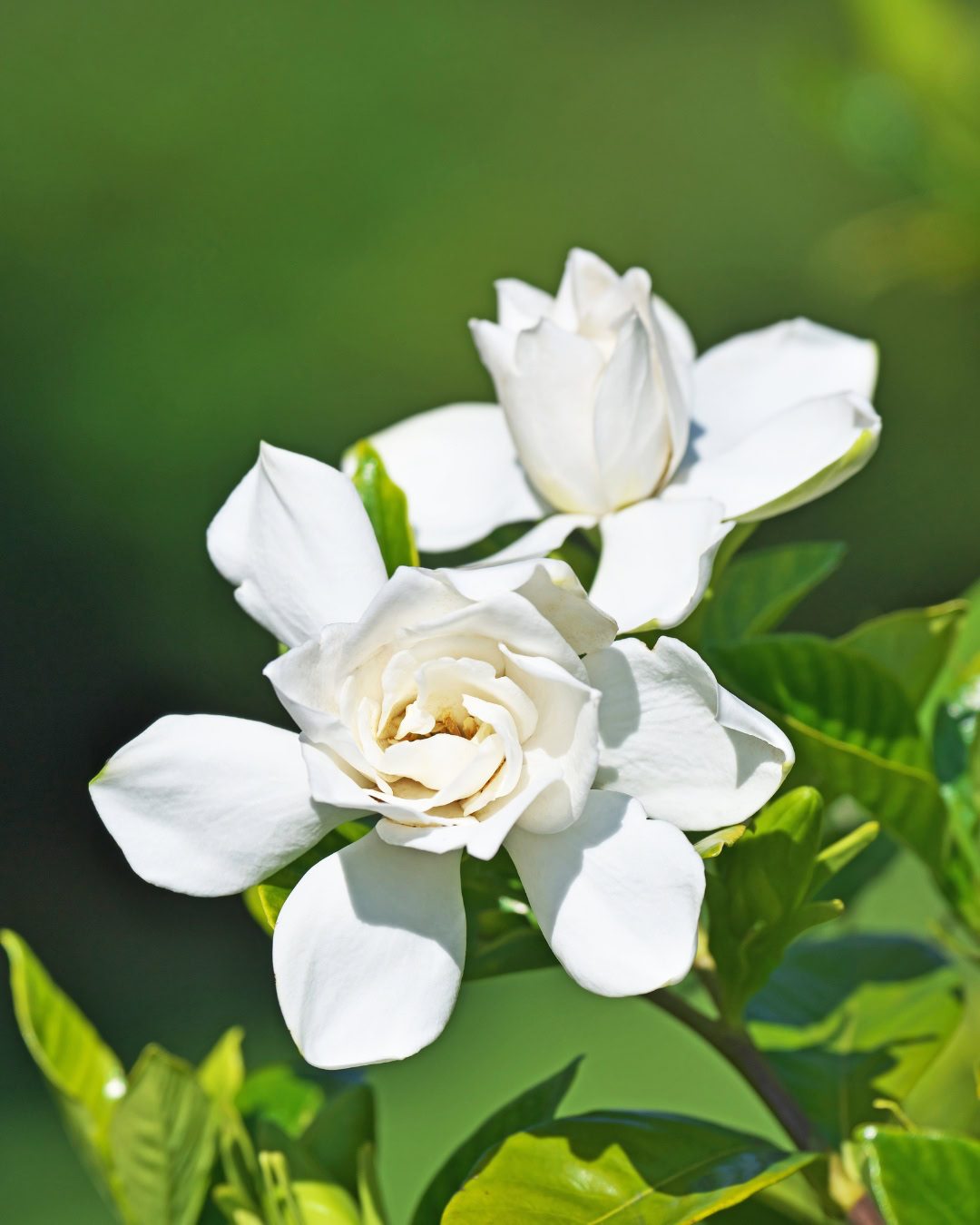
The flowers have a waxy texture and may be single, semi-double, or double, depending on the cultivar. They open white and take on cream or yellowish tones as they age. And the fragrance? Sweet, penetrating, and capable of spreading through the entire garden, reaching porches, windows, and even nearby indoor spaces.
Despite its reputation for being demanding, Gardenia usually responds very well when it receives abundant light, acidic soil, regular watering, and good drainage. Most of its problems are tied to improper pH, too much or too little water, intense heat, lack of light, or root damage. Meet these conditions and you’ll have a long-lived, elegant, and abundantly flowering shrub for many years.
Origin, Habitat, and Etymology of Gardenia
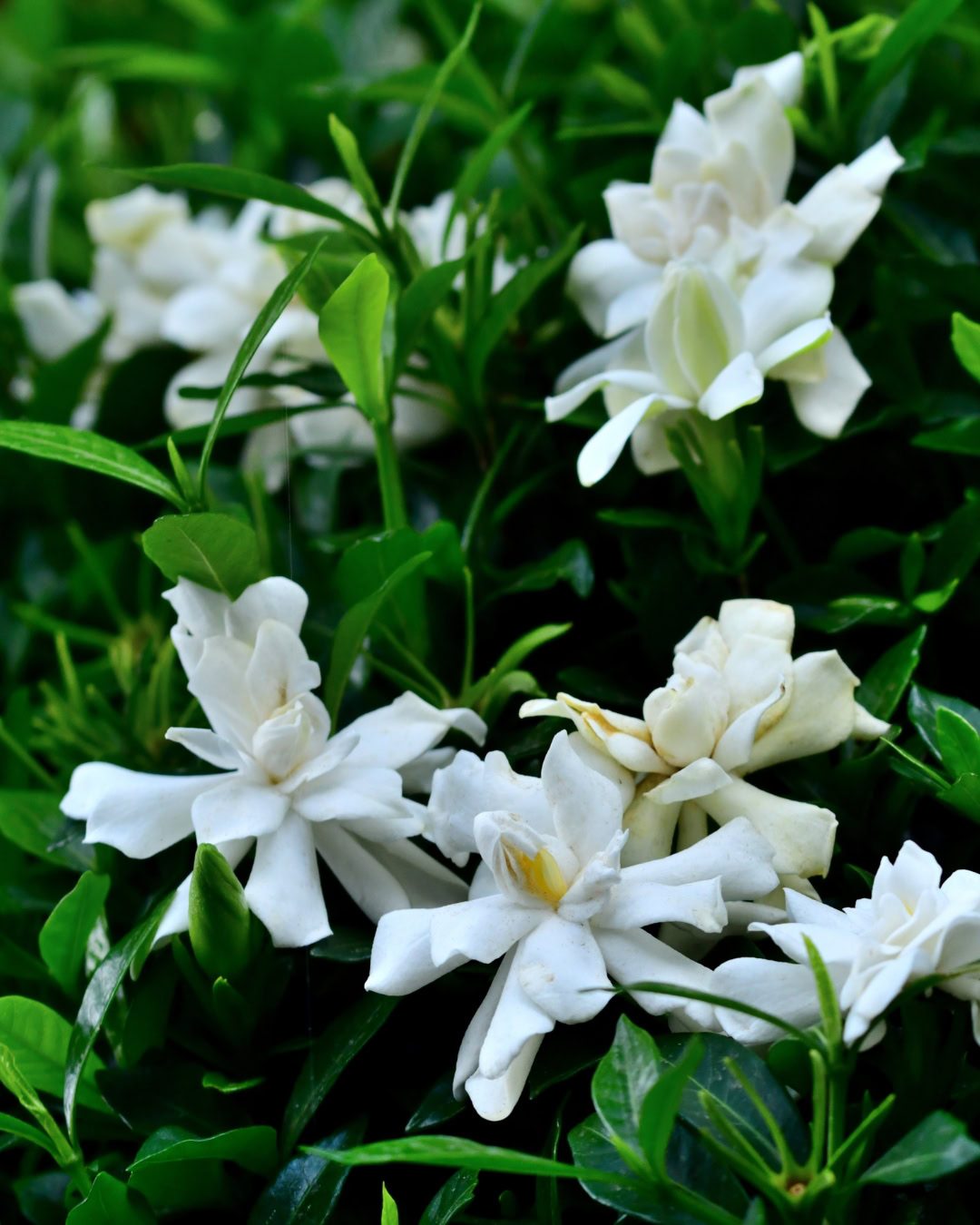
Gardenia jasminoides is native to a broad region of Asia, including the eastern Himalayas, central and southern China, Indochina, and central-southern and southern Japan. In its natural habitat, it occurs in thickets, forest edges, slopes, hills, valleys, and near waterways, from areas close to sea level to mountainous regions.
This detail explains a lot about how to grow it. In these environments, Gardenia finds acidic soils rich in organic matter and covered with leaf litter that stay moist while still providing good aeration and drainage. It grows both in the filtered light along forest margins and in relatively open areas, which shows its ability to thrive in full sun or partial shade, as long as the climate and moisture are suitable.
The genus Gardenia was published by the English naturalist John Ellis in honor of Alexander Garden, a Scottish physician and naturalist who lived in South Carolina, in the United States, and corresponded with important European botanists. The species Gardenia jasminoides was formally published in 1761. The specific epithet jasminoides means “resembling jasmine,” referring to the white flowers and, especially, the striking fragrance. But beware of a classic confusion: despite the common name cape jasmine, Gardenia is not a true jasmine. Jasmines belong to the Oleaceae family, while Gardenia belongs to the Rubiaceae family.
Ornamental Uses of Gardenia in Landscaping
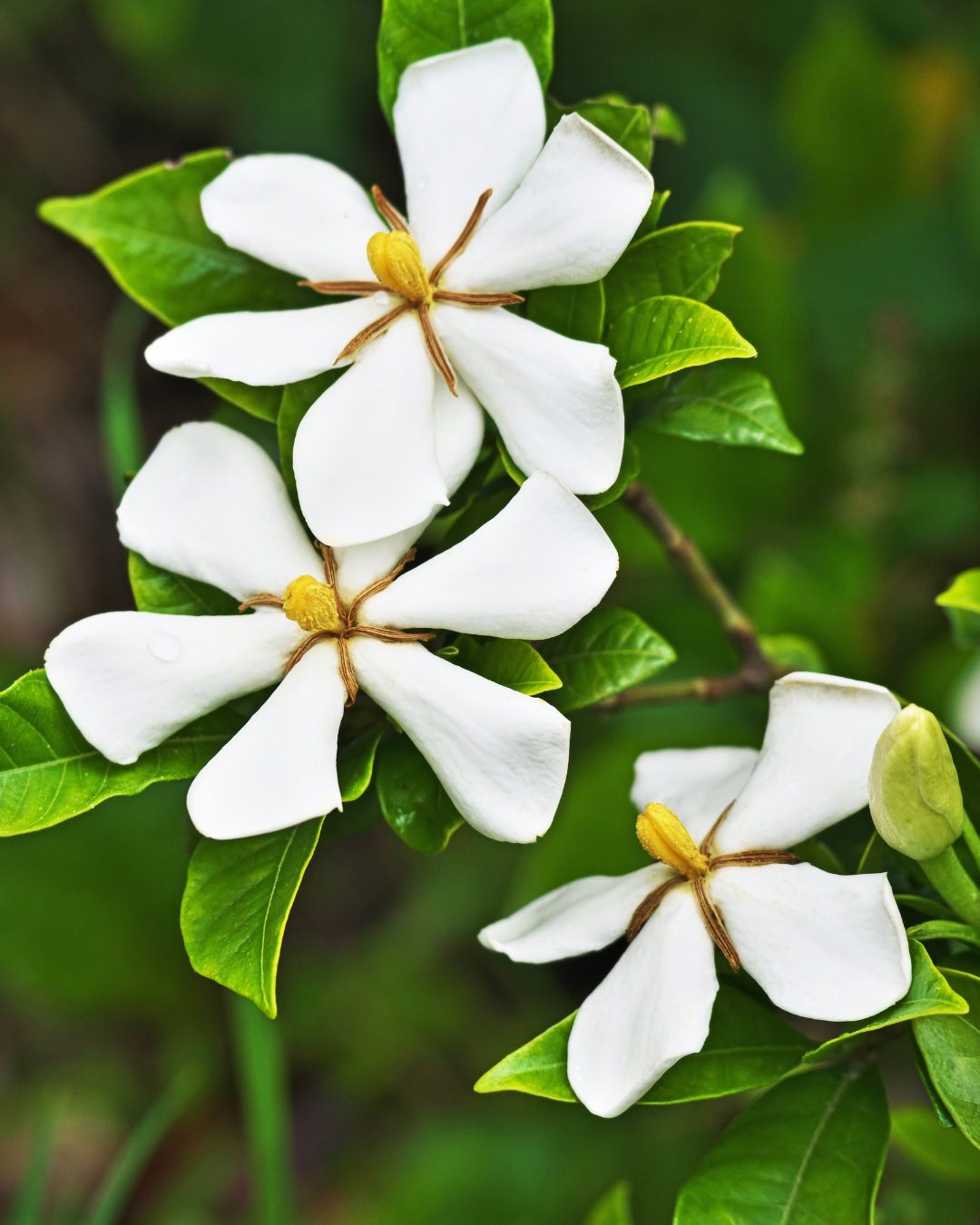
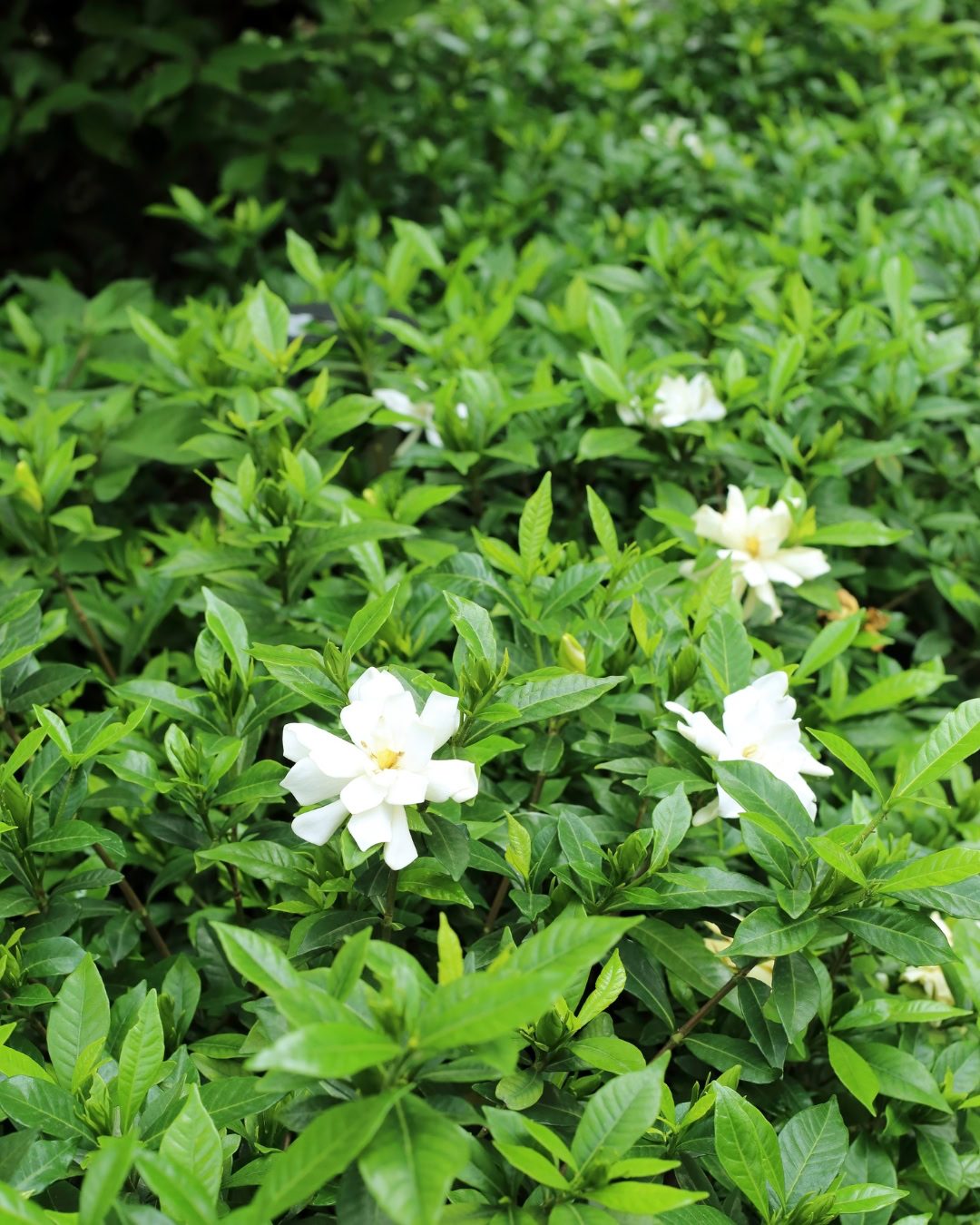
In landscaping, I value Gardenia precisely for its rare combination of structure, foliage, and fragrance. Even outside the blooming season, its glossy deep green leaves keep the shrub ornamental year-round. It can be grown as a specimen plant, in groups, mass plantings, informal hedges, shrub borders, or containers.
As a standalone specimen, it works beautifully in lawns, entry gardens, patios, and small contemplative spaces. Its dense, rounded canopy creates a classic look, especially when in bloom. In groups, it produces a uniform green mass punctuated by white flowers that stand out even in lower light.
One of the smartest ways to use Gardenia is to place it near areas where people linger or pass by, such as porches, benches, entryways, paths, patios, and windows. That way, air currents carry the fragrance into nearby spaces and turn the plant into a true element of olfactory architecture. A quick note, though: because the fragrance is quite strong, people who are sensitive to scents may prefer to keep it a little farther from bedrooms or enclosed spaces.
Spacing depends on the size of the cultivar and the effect you want. For hedges using medium-sized cultivars, spacing plants about 31 to 47 in (0.8 to 1.2 m) apart allows them to form a continuous mass without compromising air circulation. Dwarf or compact cultivars can be planted 16 to 24 in (0.4 to 0.6 m) apart. For specimens grown naturally, allow enough room for the canopy to reach 47 to 79 in (1.2 to 2 m) in diameter, depending on the cultivar. Growth rate is moderate: in good conditions, a young plant begins to form a substantial canopy in two or three years, although full size and final density take a bit longer.
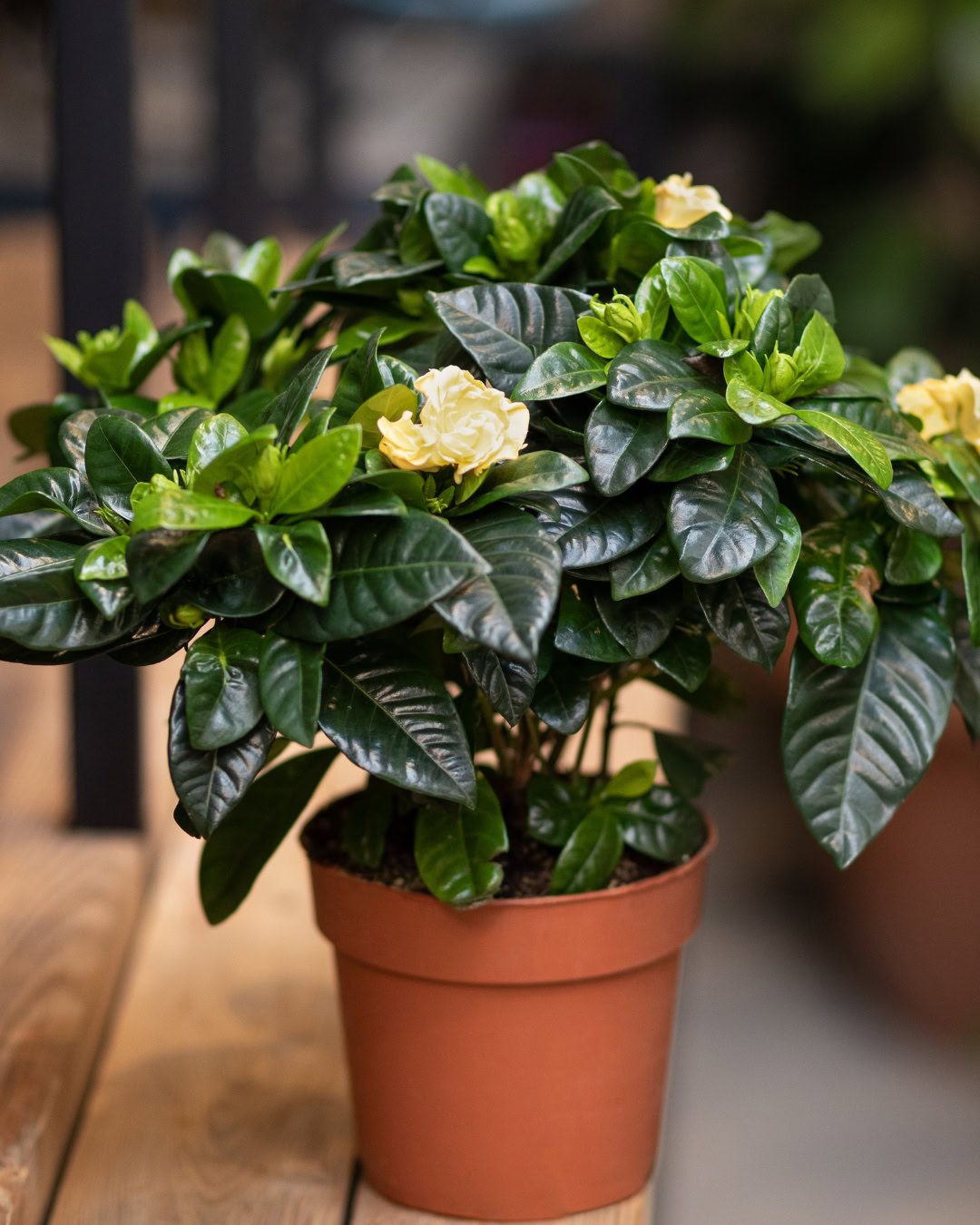
Gardenia pairs especially well with other plants that enjoy acidic soil, such as azaleas (Rhododendron spp.), camellias (Camellia japonica), and hydrangeas (Hydrangea macrophylla). Fine-textured groundcovers, such as mondo grass (Ophiopogon japonicus), create a beautiful contrast with its broad, glossy leaves. Ferns, peace lilies, and prayer plants can also be paired with it in partial shade, as long as they do not compete too heavily for water and root space.
In Asian-inspired gardens, it works beautifully with stones, winding paths, small reflecting pools, and foliage with contrasting textures. It also fits into romantic, tropical, classic, sensory, and contemporary gardens, where it serves as a clean-looking structural plant with showy, fragrant blooms.
Gardenia also adapts very well to growing in containers, which allows greater control over pH and potting mix composition. On balconies and patios, the container should receive a few hours of gentle sun and protection from excessive heat. Although it can stay indoors temporarily, Gardenia is not a suitable plant for dark corners, stuffy rooms, or permanently climate-controlled spaces (with air conditioning, for example).
How to Care for Gardenia: Complete Growing Guide
Here is the heart of the matter. If you follow these points carefully, most gardenia problems simply stop being an issue.
- Light: Gardenia needs abundant light to bloom. In mild climates, it can be grown in full sun or receive several hours of direct sun. In very hot areas, it prefers morning sun and protection during the hottest afternoon hours. In deep shade, it produces fewer flowers, grows more openly, and becomes more susceptible to pests.
- Soil: it should be acidic, fertile, rich in organic matter, and well-drained. The most suitable pH range is approximately 5.0 to 6.0, although the plant can grow in soils up to about 6.5.
- Potting mix: in containers, use a porous mix for acid-loving plants, made with materials such as composted pine bark, coconut coir, peat, organic compost, perlite, or carbonized rice hulls. Avoid heavy mixes made only of regular garden soil and sand.
- Planting: dig a hole wider than the root ball, but do not plant Gardenia too deeply. The top of the root ball should sit level with or slightly above the surrounding soil, since its roots are relatively shallow and sensitive to lack of oxygen. After planting, water deeply and apply a layer of mulch, keeping it away from the stem.
- Watering: keep the soil evenly moist, but never waterlogged. Water deeply, then wait for the surface layer to dry before watering again. Very shallow watering encourages surface roots, while soggy soil reduces oxygen and promotes rot. During bud formation and flowering, sudden swings in moisture can cause bud drop.
- Water quality: in areas where the water has a high pH or a high concentration of carbonates (so-called hard water), the growing medium can gradually become alkaline. When chlorosis keeps returning frequently, even after fertilizing, it is worth checking the pH of both the water and the soil. Rainwater can be used, as long as it is collected and stored properly.
- Climate: Gardenia grows best in tropical, subtropical, and warm temperate climates. It prefers warm to mild days and slightly cooler nights during bud formation.Extreme heat, consistently warm nights, hard frosts, and sudden temperature swings can reduce flowering or cause buds to drop.
- Humidity: the plant prefers moderate to high humidity, but that does not mean keeping the leaves wet. Occasional misting has little effect and, in poorly ventilated areas, can even encourage leaf spot. During dry spells, mulch, grouping containers together, and protection from drying winds are much more effective measures.
- Fertilizing: during spring and summer, use a fertilizer formulated for acid-loving plants, such as those made for azaleas, camellias, and gardenias. Frequency and rate should follow the chosen formulation and the plant’s growth. Avoid excess nitrogen, which produces lots of shoots and leaves but can reduce flowering and increase sensitivity to pests.
- Iron: iron chelate is recommended when the plant shows signs of iron chlorosis, with yellowing of new leaves while the veins remain green. One important clarification: this is often linked to alkaline soil pH, which prevents the plant from absorbing nutrients properly. In that case, simply supplying iron may produce only temporary improvement without addressing the real cause.
- Pruning: pinching and formative pruning are important during the growth phase, ensuring a full, dense plant for hedges and other uses. Do cleanup pruning to remove dead, broken, diseased, or poorly placed branches. When you need to reduce or shape the canopy, prune after the main flowering period. Late or excessive pruning can remove the very branches that would produce flowers in the next cycle. Reblooming cultivars should be pruned lightly and gradually.
- Repotting: in containers, repot when the roots fill the pot, the growing medium becomes compacted, or water starts moving through it unevenly. This usually happens every two or three years, but the condition of the roots and potting mix is a more reliable guide than a fixed schedule. Keep the root ball intact and avoid cutting roots unnecessarily.
- Flowering: the main bloom period usually runs from spring through summer, and some cultivars produce scattered additional flowers during the warm months. To encourage bud formation, provide plenty of bright light, regular watering, balanced fertilization, and avoid severe pruning before the flowering period.
How to Propagate Gardenia
Want to multiply your gardenia without spending anything? The good news is that it responds very well to vegetative propagation, such as stem cuttings and air layering.
The main method is propagation by cuttings. Choose healthy, flower-free, semi-hardwood stems. Spring and summer, when the plant is actively growing, are the most favorable times. Take cuttings about 3 to 6 in (8 to 15 cm) long, preferably just below a node. Remove the leaves from the lower half and keep two or three leaves at the tip. Very large leaves can be cut in half to reduce water loss without completely removing the area responsible for photosynthesis.
Using rooting hormone based on indole-3-butyric acid can increase the speed and uniformity of rooting, but it is not essential. Plant the cuttings in a clean, light, porous medium, such as a mix of coconut coir and perlite, peat, carbonized rice hulls, or screened compost. Keep the medium moist and the cuttings in a bright spot protected from direct sun. A clear plastic cover helps preserve humidity around the leaves, but it should be opened regularly to refresh the air and prevent fungal problems.
Rooting usually occurs in four to eight weeks, although it may take longer depending on temperature, the cultivar, and the maturity of the cutting. The new plant will be ready for transplanting when it produces new leaves and resists when gently tugged.
Air layering is another effective technique, especially when you want a larger new plant in less time. Choose a healthy branch still attached to the plant, remove a small ring of bark, and wrap the area with moist sphagnum moss. Then cover the material with plastic, keeping it sealed to retain moisture. Once a visible mass of roots has formed inside the sphagnum moss, cut the branch below the rooted section and pot it up. Keep the new plant protected from harsh sun and wind until the root system is established.
Propagation by seed is possible, but it is rarely used in ornamental growing. Many double-flowered cultivars are sterile or produce few fruits. In addition, seed-grown plants may have flowers, growth habit, and fragrance that differ from the parent plant, and they take longer to begin blooming.
Botanical description of Gardenia jasminoides
Gardenia jasminoides is an evergreen, woody, densely branched shrub. Size varies considerably among cultivars: dwarf forms may stay under 20 in (50 centimeters), while more vigorous ones reach 5 to 10 ft (1.5 to 3 meters) in height with a similar spread when grown freely.
Young branches are green and become grayish or brown as they age. The canopy tends to be rounded or upright, but there are also compact, prostrate, and spreading cultivars. The root system is fibrous, relatively shallow, and sensitive to compaction, lack of oxygen, and severe disturbance.
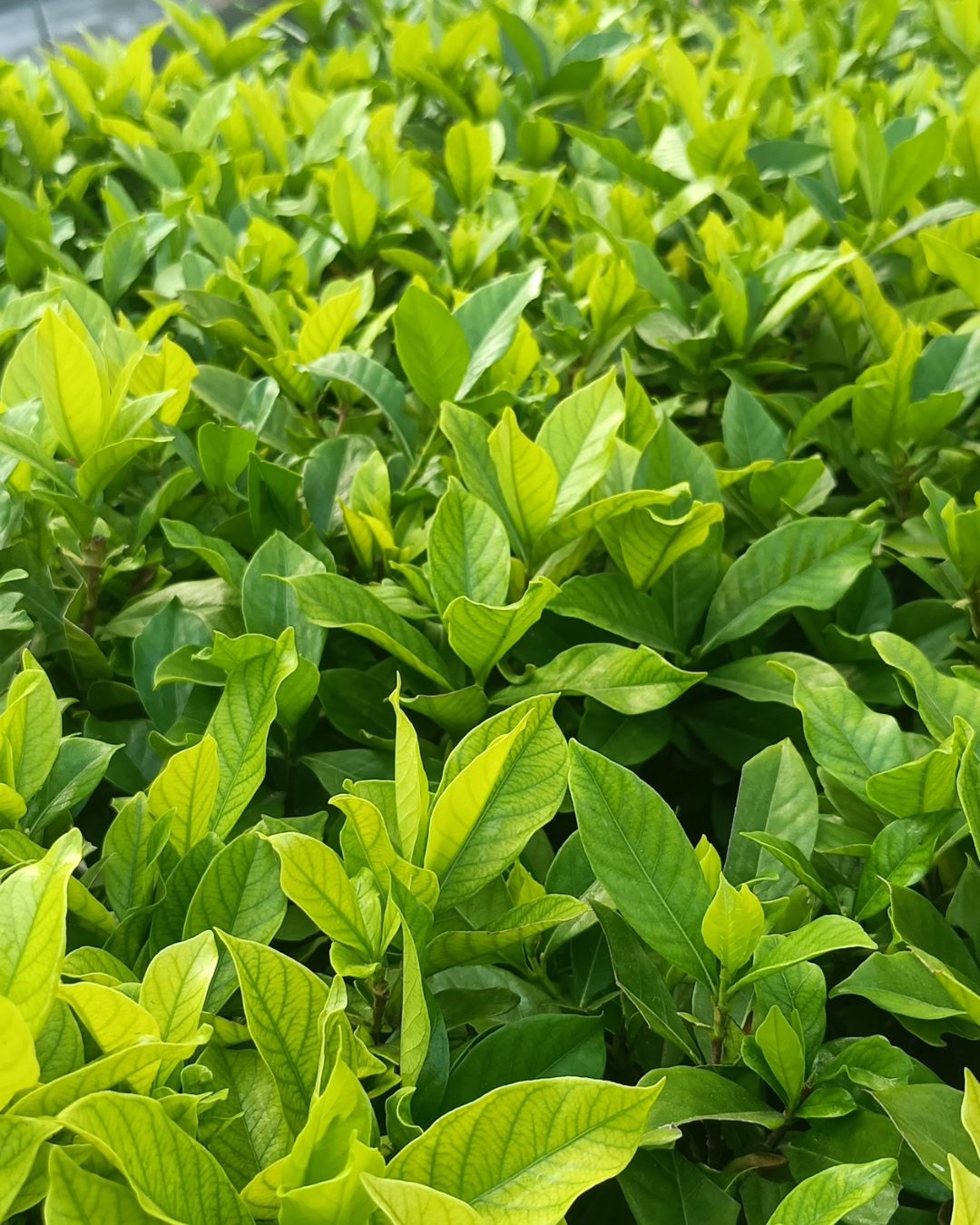
The leaves are simple, entire, and usually arranged oppositely, although they may also appear in whorls of three. The blade is elliptical, obovate, or lanceolate, with an acute or shortly acuminate tip and a narrowed base. The texture is leathery, the surface is smooth, and the upper side is dark green with a glossy sheen. The leaves typically measure 2 to 6 in (5 to 15 centimeters) long, and the secondary veins are visible and regularly spaced from the midrib.
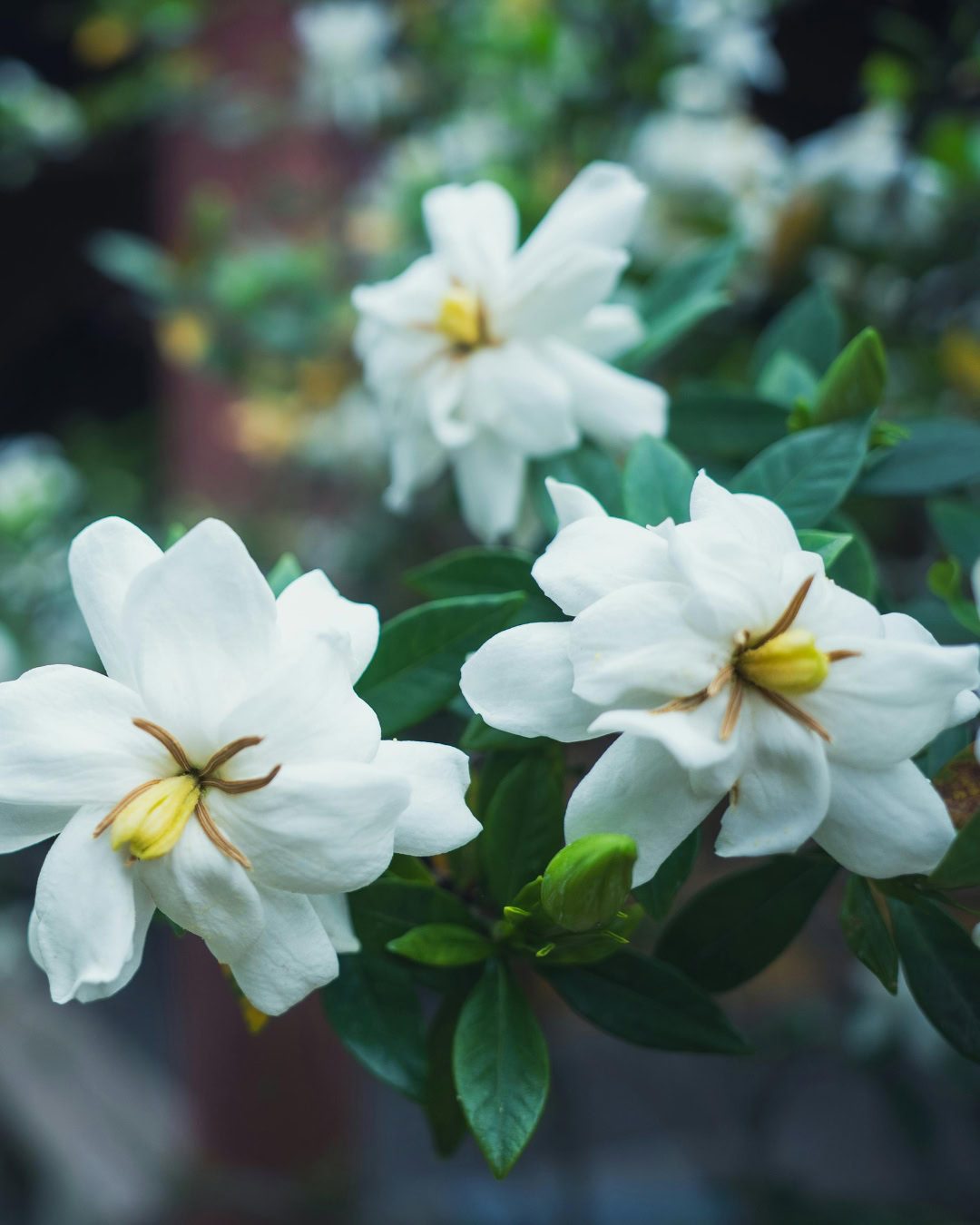
The flowers appear singly or in small clusters at the tips of the branches. The corolla has an elongated tube that opens into spiraled lobes. In the wild form, the flowers are single and usually have five to eight lobes. In ornamental cultivars, some of the floral organs are transformed into additional petals, forming semi-double or double flowers resembling roses or camellias.
Gardenia flowers are white when they first open and gradually turn cream or pale yellow as they age. The waxy texture of the petals helps the flower hold its structure, but it also makes marks caused by rain, handling, or insects easy to see.
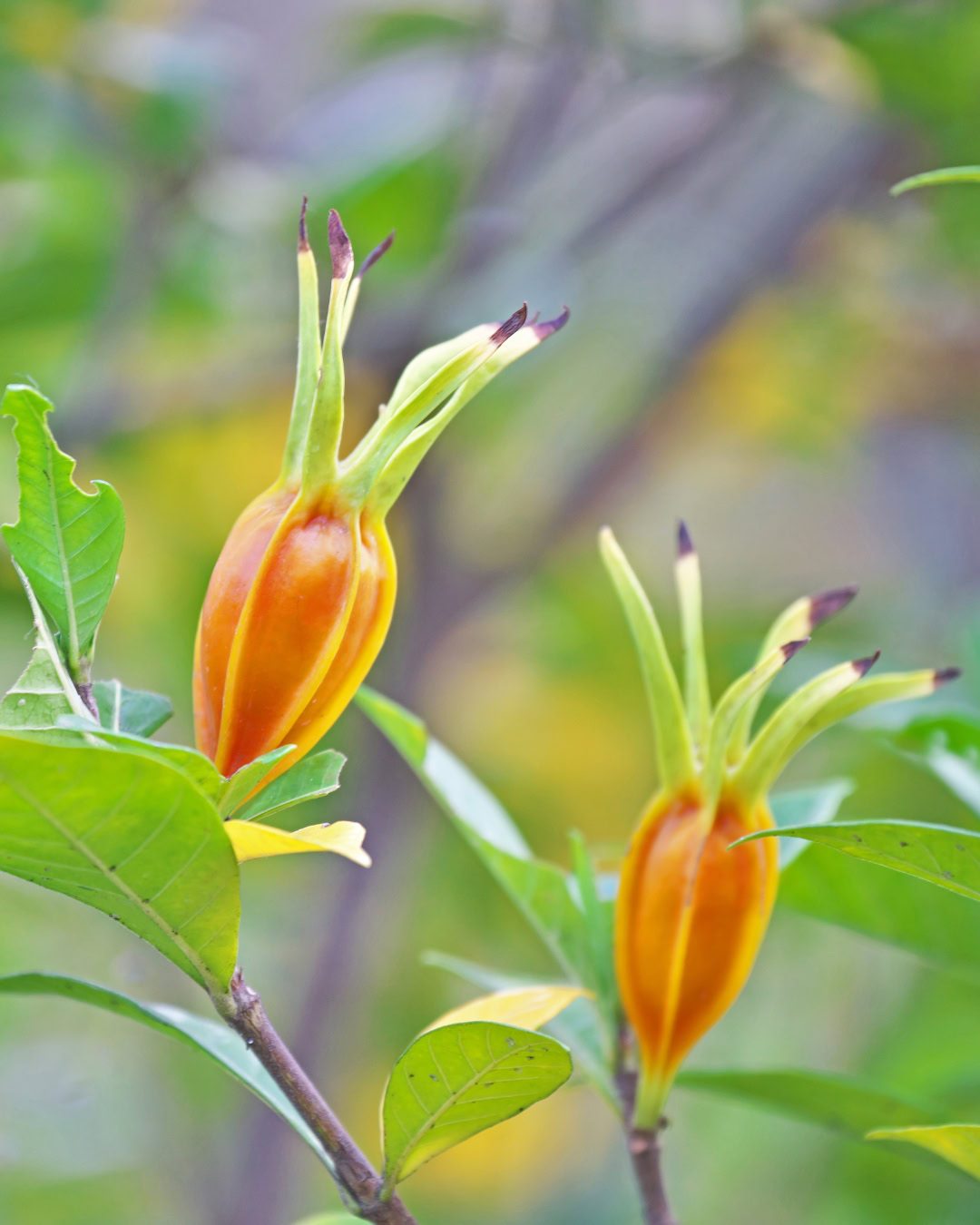
Single, fertile flowers may produce fleshy, ovoid or ellipsoid fruits that turn yellow to orange when ripe. The surface has longitudinal ribs, and the calyx remains attached at the tip of the fruit. The fruit is an indehiscent berry. Inside are numerous flattened seeds surrounded by orange-colored pulp. Fruiting is rare in many double ornamental cultivars, because the transformation of reproductive organs into petals reduces or prevents the flowers’ fertility.
Main Gardenia varieties and cultivars
The ornamental market offers Gardenia types with different sizes, growth habits, levels of cold tolerance, and flower forms. One practical note: identification is not always precise in nurseries, and many plants are sold simply as Gardenia.
- ‘Fortuniana’: a traditional medium to large cultivar with white, highly fragrant, densely double flowers. It is one of the classic forms used in gardens and hedges.
- ‘August Beauty’: has vigorous growth, an upright habit, and large double flowers. It has a relatively long blooming period under favorable conditions.
- ‘Mystery’: one of the best-known selections, producing white, double, very large flowers that may reach about 4 to 5 in (10 to 12 centimeters) across. It forms a vigorous, fairly upright shrub.
- ‘Aimee’ or ‘First Love’: stands out for its large double flowers and robust growth. It needs room to develop its canopy and should not be treated as a compact Gardenia.
- ‘Veitchii’: an old cultivar highly valued for its extended bloom period and its ability to produce more than one flush of flowers during the warm season.
Produces double flowers and has a medium-sized growth habit. - ‘Radicans’: a dwarf, spreading form, usually under 20 in (50 cm) tall with horizontal growth. It has smaller leaves and flowers and is well suited for containers, borders, slopes, and small mass plantings.
- ‘Kleim’s Hardy’: a compact cultivar known for greater cold tolerance. Its flowers are single, star-shaped, and have visible yellow stamens in the center.
- ‘Frost Proof’: a compact selection that is more tolerant of temperature drops and light frost than many traditional cultivars. It produces double, fragrant flowers.
- ‘Variegata’: a cultivar with green leaves marked by light patches or margins, adding ornamental interest even when not in bloom. Like other variegated plants, it tends to grow more slowly and needs good light to maintain its coloration.
When choosing a plant, look not only at the flowers but also at its mature size and growth habit. A dwarf cultivar works very well in containers and borders, while vigorous selections need space to develop a broad canopy. And watch out for a common mistake: cold-hardiness information in foreign catalogs should be interpreted with caution, since wind, humidity, frost duration, and plant age all affect real-world tolerance.
Pests, diseases, and solutions for Gardenia
Gardenia can be attacked by scale insects, whiteflies, aphids, thrips, and spider mites, which concentrate mainly on new growth and the undersides of leaves. Small infestations can be controlled with manual removal, insecticidal soap, or neem oil, always according to the manufacturer’s instructions. Sap-sucking pests also encourage the appearance of sooty mold, that black coating that grows on their sugary secretions. In that case, the order matters: first control the insects, then gently wash the leaves.
Root rots occur mainly in waterlogged, compacted, or poorly drained soils. Symptoms include yellowing, wilting even when the soil is moist, leaf drop, and progressive dieback of branches. Prevention depends on a well-drained growing medium, balanced watering, and planting without burying the root ball too deeply. Powdery mildew, leaf spots, and branch cankers, on the other hand, are favored by poor air circulation, persistent moisture on the leaves, and wounds.
Root-knot nematodes can cause deformed roots, weak growth, yellowing, and wilting during the hottest part of the day. Organic matter improves soil structure and the plant’s resilience, but it does not eliminate an established infestation. In severe cases, it may be necessary to discard the Gardenia, replace the growing medium, or grow it in another location, preferably using healthy plants or ones grafted onto resistant rootstocks.
Iron chlorosis is recognized by yellowing of new leaves while the veins remain green, and it usually results from soil or water with a high pH. Applying iron chelate can relieve the symptoms, but the problem tends to return if the pH is not corrected. Bud drop, meanwhile, may be related to too little or too much water, heat, cold, insufficient light, excessive fertilization, pests, or root damage, requiring all growing conditions to be evaluated together.
Interesting facts about Gardenia
Gardenia has a long history of cultivation in Asia, not only as an ornamental plant but also as a source of pigments and compounds used in traditional systems of medicine. In China, its fruits are known as zhi zi and are part of the traditional pharmacopeia. The fruits contain iridoids and carotenoid pigments, including crocins related to the compounds responsible for the color of true saffron. For this reason, Gardenia extracts have been used as yellow and orange dyes for fabrics and foods in different parts of Asia.
In the symbolic language of flowers, Gardenia is often associated with purity, delicacy, sincerity, elegance, and secret love. Its white, fragrant flowers have historically been used in bouquets, boutonnieres, wedding arrangements, and hair adornments.
One detail for florists: cut flowers are extremely sensitive to touch. The natural oils on your hands and minor damage to the petals speed up browning, which is why it’s common to handle them by the base or the calyx. They also have a relatively short vase life after being cut.
Frequently Asked Questions About Gardenia
Does Gardenia like sun or shade?
Gardenia likes plenty of light. In mild climates, it can be grown in full sun or given several hours of direct sun; in very hot areas, it’s best to provide morning sun and protection from intense afternoon sun. Too much shade reduces flowering and leads to weaker, more open growth.
How do you care for Gardenia in a pot?
Use a pot with good drainage holes and one that is only slightly larger than the root ball. The potting mix should be acidic, rich in organic matter, and porous, staying moist without holding excess water. Place the pot in a very bright spot with gentle sun, and avoid letting water collect in the saucer.
Why do Gardenia buds drop before opening?
Bud drop is a stress response and can be caused by too little or too much water, poor drainage, intense heat, dry air, cold, sudden temperature changes, too little light, too much fertilizer, pests, or root problems. Before applying fertilizer, evaluate the growing conditions and the plant’s overall health.
Why do Gardenia leaves turn yellow?
New leaves that are yellow with green veins often indicate chlorosis caused by iron being unavailable, usually due to high pH. Uniform yellowing, on the other hand, may be related to excess water, low light, unhealthy roots, cold, drought, or nutrient deficiency. Some older leaves also turn yellow naturally as the foliage is renewed.
How long does a Gardenia start take to bloom?
Plants propagated from cuttings or air layering may bloom relatively early because they retain the physiological maturity of the mother plant. Depending on the size of the young plant, the cultivar, and the growing conditions, the first bloom may occur in the first or second growth cycle, but small or stressed plants may take longer.
Is Gardenia toxic to dogs and cats?
Yes. If dogs or cats ingest Gardenia, it may cause vomiting, diarrhea, and hives. Although the signs described are usually mild, the plant should be kept out of reach of pets that tend to chew leaves, and any animal showing symptoms should receive veterinary guidance.
What is the spiritual meaning of Gardenia?
In flower symbolism, Gardenia usually represents purity, sincerity, delicacy, protection, and secret love. Its white flowers are associated with peace and clarity, while its intense fragrance is often interpreted as a symbol of presence, affection, and lasting memories.
Are Gardenia and jasmine the same plant?
No. Gardenia belongs to the Rubiaceae family, the same family as coffee, while true jasmines belong to the Oleaceae family. The name Cape jasmine arose because of the resemblance of its white, fragrant flowers, but the plants belong to different botanical groups.
Now that you know the secret of Gardenia (which was never really that demanding, just misunderstood), why not give it another chance? Adjust the soil, choose a good spot with light, and enjoy its fragrance filling your garden. If you already grow Gardenia, share in the comments what your biggest challenge with it has been. I’d love to help!