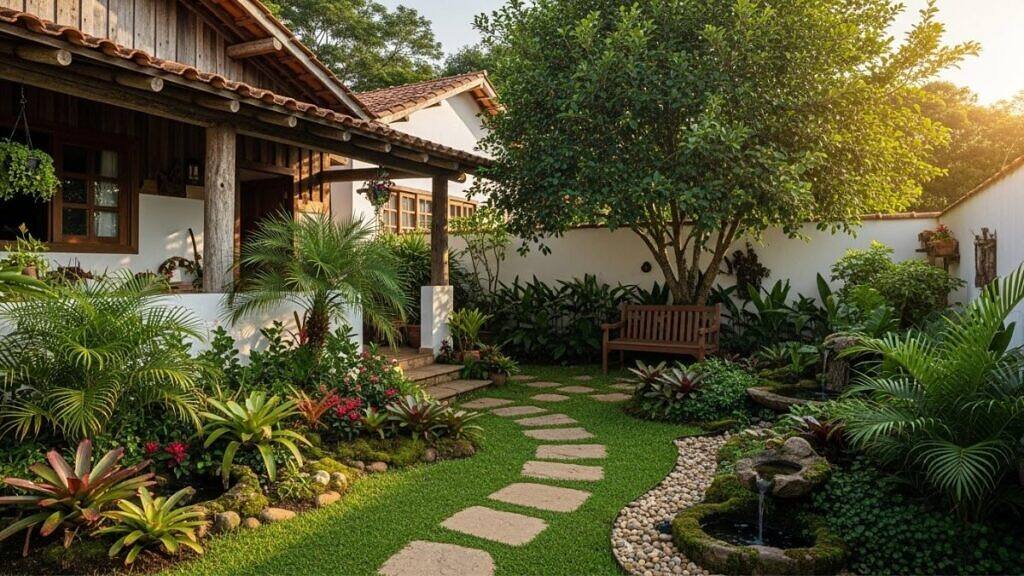
Have you ever walked into a garden and thought, “I could stay here for a while”? Not necessarily because everything was flawless, but because the space felt inviting and lived-in. A rustic garden carries a lot of that feeling: it is welcoming, practical, and beautiful in a way that’s hard to imitate — the kind of beauty that doesn’t look staged.
Instead of relying on perfect lines and plants that look frozen in place, the rustic garden favors textured materials (stone, wood, clay), pathways that encourage you to stroll slowly, and a looser, layered planting style, as if the garden had been built gradually over time. And here is the key point: loose does not mean messy. A well-designed rustic garden has a clear plan, intention, and above all, long-term durability.
Enjoyed this guide? There's more where it came from.
Understanding why plants behave the way they do is what turns guesswork into a thriving garden. That's exactly what we share in the Shrubz newsletter — free, straight to your inbox:
- Seasonal care reminders timed to your gardening calendar
- Propagation and pruning techniques, explained step by step
- Pest and disease alerts — catch problems before they spread
If you are a landscape designer, this style is a powerful tool to create identity and comfort without falling into passing trends. If you simply have a backyard and want to bring in that feeling of a retreat — with plants that make sense and materials that age gracefully — you can achieve it with the right choices. We’ll break down what truly defines a rustic garden, how this style emerged, which materials and plants work best, and, of course, the classic mistakes that often lead to regrets later.
What, exactly, defines a rustic-style garden
A rustic garden is an aesthetic language that highlights a natural, handcrafted, countryside look. Instead of flawless straight lines and “showroom” finishes, it works with irregular surfaces, variations in color and texture, and plantings that look as though they have settled into place over time. The keyword is patina: the beauty that comes from use, sun, rain, and the human touch.
In practice, this translates into stone paths laid with wider joints, exposed wood (preferably species with good outdoor durability), ceramics, iron, natural fibers, dry-stack or mortared retaining walls that look “built on site,” and full, layered planting beds. But “full” is not the same as “chaotic”: the rustic garden calls for abundance, yet it also requires visual hierarchy (some species dominate, others play a supporting role, and the whole composition can breathe).

A bit of history: from utilitarian garden to emotional garden
The idea of a garden with a countryside feel did not begin as a glossy magazine “style.”
In many places, what came first was the working garden: herbs, cut flowers, plants close to the kitchen, fruit trees, hedges, mixed beds. Over time, this everyday aesthetic — beauty that grows out of function — became a visual reference for comfort, memory, and a sense of belonging. That is why rustic style almost always carries the feeling of a “well‑lived‑in home.”
In landscape design, this visual language aligns closely with movements that valued the handcrafted and the natural as a counterpoint to excessive industrialization. If you would like some cultural context (without turning this into a history lesson), it is worth taking a look at the Arts and Crafts movement, which helped consolidate the appreciation of handmade work, natural materials, and the garden as an extension of the home. The result today is a rustic garden style that works both in large yards and in compact backyards — as long as you keep the “flea‑market antique overload” under control.
How rustic style “reads” in the space: composition, scale, and rhythm
A rustic garden is usually perceived in layers. First you notice the structure: paving, walls, fences, pergolas, benches, and bed edging. Then comes the plant mass: shrubs, clumps, bold drifts of flowers, groundcovers. Finally, the details: pots, objects, lighting, fine textures, deeply cut foliage, delicate blooms. When this order is lost, the rustic garden turns into a mere inventory of items, and the planting starts to look like “green debris.”
For landscape professionals, the challenge is to fine‑tune the degree of rusticity without compromising circulation, drainage, and maintenance. For homeowners, the challenge is to resist trying to “buy” the rustic garden style in a single afternoon: rustic design needs repetition of materials, a coherent color and texture palette, and time for the plants to fill out their space. It is a type of garden that improves over the months — provided it has a strong underlying structure.

Straight lines are not forbidden (they just cannot shout)
Many people assume a rustic garden requires everything to be crooked or irregular. Not so. Straight lines can absolutely appear in walls, decks, pergolas, and even planting beds. The difference in a rustic garden is that transitions tend to be softer and more textured: a border made from reclaimed brick, a stone edge, an exposed joint, or wood with pronounced grain and natural imperfections.
The geometry can be simple; the “warmth” comes from the material and the planting.
In fact, a good way to avoid visual clutter in a rustic garden is to use clear, legible geometry in the hardscape and let the natural, relaxed feel come from the plants. You create order with paving and edging, and you create life with plants that spill slightly over the path (without blocking circulation, please).
Key materials: rustic style does not forgive poor-quality products
If there is one point where mistakes show up fast in a rustic garden, it is here. Rustic materials are, by definition, more exposed: visible wood grain, stone without “makeup,” textured brick, steel with controlled oxidation. This is beautiful when the material is high quality and well specified. When it is not, it rots, crumbles, splinters, stains, cracks—and the garden, which was supposed to feel cozy, starts to look abandoned.
Think of rustic garden design as a style that demands technical honesty: good drainage, proper installation, choosing wood species suitable for outdoor use, corrosion‑resistant hardware, and detailing that prevents water from pooling where it shouldn’t. It only “looks simple” to those viewing it from a distance.

Wood: visual warmth with responsibility
Wood is at the heart of many rustic gardens: pergolas, benches, decks, fences, railroad ties (where appropriate), and raised bed edging. The main criteria are durability in outdoor areas and resistance to occasional moisture. Naturally durable hardwoods suitable for exterior use generally perform better than lightweight woods without proper treatment. Reclaimed timber can be excellent in a rustic garden for its character and stability, but it needs careful selection: pieces with termite damage, structural cracks, or old contamination quickly become a problem.
A design detail that makes a big difference in a rustic garden: keep wood away from constant contact with damp soil. When a piece is constantly “drinking” water from the ground, there is no miracle solution. Use supports, footings, drainage layers, and clear separations, and plan the path of rainwater. A rustic garden embraces imperfection; it does not accept decay.
Stone: texture, weight, and drainage
Stone works extremely well in a rustic garden because it offers texture and a sense of permanence. Irregular stone paths, flagstone paving, river rock in specific areas, retaining walls, and steps with roughly finished treads are all very effective. The secret is not turning the entire backyard into a quarry: stone should be used to structure and visually anchor the space, while the greenery softens the edges.
For paving, the main concerns are drainage and walking comfort.
Poorly laid stone becomes a hazard, especially in wet areas. Joints that are too wide and lack proper edging turn into channels for erosion and a gateway for invasive plants (which can be charming in a discreet corner and a nightmare along the main rustic garden path).

Brick, terracotta and clay: the “warm” rustic
Exposed brick, handmade blocks, reclaimed roof tiles, clay pots and weathered ceramics bring a warm color palette that pairs beautifully with green foliage and soft-toned flowers. These are materials that create a feeling of home, of a lived-in backyard, of things made to last and to be used.
From a technical standpoint, avoid using them where constant moisture will speed up mold and deterioration, and plan for periodic maintenance of grout and bedding. In a rustic garden, the marks of time can be attractive — but only when they are under control, not when they become a structural problem.
Iron and steel: contrast that needs intention
Iron is widely used in rustic garden design for gates, trellises, brackets, light fixtures, window boxes and other metalwork details. It pairs well with wood and stone because it creates contrast in both texture and line. A simple trellis for a well-chosen climber can resolve an entire corner of the rustic garden.
A common mistake is overdoing the “industrial” look without realizing it: too many black pieces, too many ornaments, too much visual noise. If you introduce iron, it needs to harmonize with the overall color palette and with the scale of the plants. And yes: proper corrosion protection and quality hardware will keep the rustic garden from looking like a scrap yard.

Key plants: a rustic garden is more about behavior than a fixed “list”
There is no universal plant kit for a rustic garden, because the style is built from the combination of forms and the overall sense of naturalness. That said, a few traits help a lot: sturdy species with predictable maintenance needs and good response to light pruning; aromatic and flowering plants that evoke memories and familiarity; textured foliage; and a smart mix of perennials with a few seasonal plants to create peaks of color in the rustic garden.
The technical point is to plan in layers: a base of shrubs and clumps (plant structure), a middle layer with flowering and aromatic perennials (color and fragrance), and an edging of groundcovers or trailing plants (a living finish). The sense of abundance comes from this well‑designed overlap.
Fragrant and culinary herbs that also enhance the landscape
They add scent, attract pollinators, and still end up in the kitchen. In a rustic garden, they work very well in mixed beds, near paths and seating areas. Strong examples: rosemary (Salvia rosmarinus), lavender (Lavandula spp.), ornamental salvias (Salvia spp.), basil (Ocimum basilicum), thyme (Thymus vulgaris) and oregano (Origanum vulgare).
Care is straightforward and makes a big difference: respect sun exposure, drainage, and maintenance pruning. Woody aromatic herbs (such as rosemary and lavender) need well‑drained soil and do not tolerate waterlogging. If you get the soil conditions right, they handle half of the garden aesthetics on their own.
Flowering plants with a well‑loved garden look
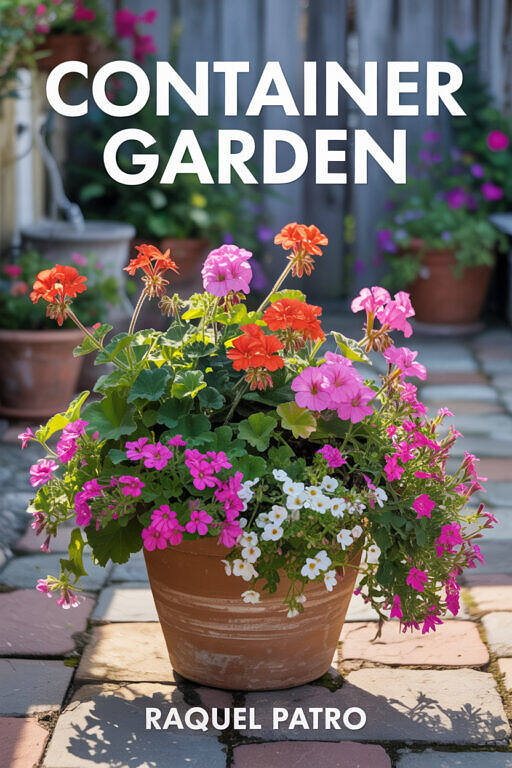
A rustic style pairs beautifully with flowers that feel natural, even when they are intentionally planted. Roses (various Rosa spp.), daisies and similar blooms (many ornamental Asteraceae), zinnias (Zinnia elegans), cosmos (Cosmos bipinnatus), balsam or garden impatiens (Impatiens balsamina), nasturtiums (Tropaeolum majus) and geraniums (Pelargonium spp.) all help create that atmosphere of abundance and spontaneity.
To avoid a chaotic “carnival bed” in a rustic garden, choose a restrained color palette (for example, whites and soft pinks with one warmer accent tone) and repeat the same species throughout the space. Repetition is what creates unity when you want a looser, more relaxed look.

Foliage and textures that support rustic garden style all year long
Flowers are seasonal; texture is permanent. Ornamental grasses (in species suitable for your space), ferns in protected areas (such as Nephrolepis exaltata), ornamental asparagus (such as Asparagus densiflorus), spider plant (Chlorophytum comosum), arrowhead vine (Syngonium podophyllum) in partial shade, and bromeliads used in well‑placed compositions can carry the rustic garden when blooming slows down.
The rule for elegant rustic garden design is: plenty of texture, less of a “collection” look. Instead of placing one plant of each type, create bold drifts and clumps: three, five, seven specimens of the same species (or two species that complement each other) give a professional feel and reduce visual clutter.
Climbers: rustic gardens love verticality
Climbing plants solve walls, fences, and pergolas with remarkable efficiency. They bring shade, fragrance, and the feeling of a mature rustic garden. Classic options include jasmine (Jasminum spp.), bougainvillea (Bougainvillea spp.) in sunny, well‑planned locations, and other ornamental climbers compatible with the available structure.
The professional approach here is to plan support and maintenance from the very beginning: where the climber will “climb,” where you will prune, and how to prevent it from invading roofs, gutters, and wiring. A climber without a clear plan turns into endless maintenance — and that is not rustic, it is just exhausting.
Where a rustic garden makes the most sense
A rustic garden works especially well when you want the landscape to be an extension of everyday life: seating areas, outdoor kitchens or grills, porches, paths leading to the vegetable garden, and the transition between the house and the backyard. It handles heavy use well because rustic garden aesthetics do not depend on perfection. A fallen leaf can even add to the charm, as long as the overall space is clean and healthy.
In small spaces, a rustic garden style also works — but it needs a higher degree of discipline. The smaller the backyard, the more important it is to limit the number of different materials and objects. One or two dominant materials (for example, wood + stone) and a tightly curated plant palette let the rustic garden style come through without overwhelming the space.
When it is a particularly smart choice
A rustic garden is excellent when you want a “warm” and human outdoor space, with texture and a sense of history, and when the house itself invites this informality. It is also a good solution for sloping sites, where retaining walls and steps can become strong character features (stone, wood, trailing or cascading plants).
On the other hand, if you are looking for a garden with very clean lines, minimal maintenance and an almost unchanging appearance, a rustic garden may disappoint you. A rustic garden needs observation and fine-tuning. A beautiful rustic garden is one that is actively cared for — not monitored with paranoia, but tended with expertise and affection.
Architectural styles it pairs best with
A rustic garden naturally complements homes with traditional language: colonial, farmhouse, cottages, houses with exposed pitched roofs, generous porches or verandas, and prominent masonry and wood. In these cases, the rustic garden feels as if it “grows out of” the architecture, because materials and proportions already align.
It can also work beautifully with contemporary architecture — as long as you treat the rustic garden style as a controlled contrast. A house with clean, straight lines and a well-designed rustic garden creates a striking tension: the architecture is precise; the garden is inviting. The key is not to mix everything at once: if the house is minimalist, reduce decorative objects and focus the rustic garden expression on texture (stone, wood, bold plant groupings) instead of filling the space with accessories.

Three combinations that usually work without clashing
Rustic garden + Mediterranean: wood, stone and aromatic plants create a coherent language, with fragrance and texture, and a rustic garden that ages gracefully. Rustic garden + light industrial: steel and wood, with abundant planting, give an urban yet welcoming feel. Rustic garden + controlled tropical: large-leaved plants can be included, as long as you maintain unity of materials and do not turn the rustic garden into a “plant catalog”.
As a practical guideline, look at the house and choose a visual “relative” for the rustic garden—a material, a color, a type of line. A rustic style works when it feels like a natural outcome of the place, not like a fantasy pasted on top.
A design roadmap that helps professionals and prevents homeowner regrets
If you want a beautiful rustic garden, start with what no one usually shows in photos: groundwork and infrastructure. Analyze sun exposure, winds, waterlogging points, slopes, use areas, and circulation routes. A well‑positioned path solves more problems than ten decorative objects. And coherent drainage prevents the rustic garden from turning into a festival of mold and rotting wood.
Next, define the hardscape (paving, edging, walls, pergola), and only then finish with plants. It is tempting to buy plants first—I understand, they call to you. But in a rustic garden, structure is what keeps the “romantic mess” from becoming actual mess. After that, planting happens in layers: first the structural plants, then the infill plants, and finally the finishing and seasonal plants.
Palette and repetition: the antidote to visual confusion
Choose a few main materials and repeat them. Choose a few structural species and repeat them. Choose a flower palette and repeat it. Repetition creates unity; unity allows freedom. That is what makes a rustic garden look “natural” without looking “accidental.”
If you like many different plants (and there is no judgment here; that is a common joy), keep the collection in a specific bed, like a small “curiosity garden” in a corner. Elsewhere, be more restrained. The rustic garden becomes sophisticated when you are able to edit.
Maintenance that keeps a rustic garden beautiful (and not “abandoned”)
A healthy rustic garden follows a routine. Not a heavy routine, but a consistent one: clearing leaves from pathways, light pruning where vegetation invades circulation areas, checking and adjusting vine ties, and controlling self‑sown plants where they get in the way (because yes, some volunteers are beautiful; others are just competition and clutter).
In plant care, simple techniques make a big difference: cleaning prunes to remove dead branches and improve air circulation; pinching back young perennials and shrubs to encourage denser growth and avoid “leggy” plants; and a well‑applied layer of organic mulch to reduce weeds and maintain soil moisture. A rustic garden thrives on living soil, but living soil is not neglected soil.

No cluttered plant collection.” width=”1080″ height=”1350″ /> The rustic style allows for many different species, as long as visual order is maintained. No messy, overcrowded plant collections.
The detail that separates “cozy” from “neglected”
It’s the edge. Bed borders, transitions between paving and planting, and junctions between different areas. When the edge is clearly defined (with stone, brick, durable wood, or even a well-maintained cut edge), a rustic garden can be full and relaxed without looking sloppy.
Another key factor is how well the plants are adapted to the site. Newly planted starts struggle with sudden changes in sun, wind, and humidity; providing gradual acclimation (the well-known “hardening off”) improves survival and reduces that phase when the rustic garden looks sad and patchy. Rustic gardens are forgiving, but they can’t work miracles if installation is rushed.
The main mistakes when designing a rustic garden (and how to avoid them)
Rustic garden design has a trap: it looks permissive. That makes many people relax where they shouldn’t. Below are the mistakes that most often undermine rustic garden projects—both in professional installations and in weekend makeovers—and what to do to avoid them.
Notice that almost all the problems share the same root cause: lack of intention. A rustic garden needs to look natural, but it cannot be random. When you design with clear criteria (materials, repetition, hierarchy, maintenance), the rustic garden style really stands out.
1) Low-grade wood saying “hello” to moisture
This is the classic one: a deck, edging, or pergola built with wood that is not suitable for outdoor use, left unprotected, in direct contact with soil, and constantly hit by irrigation splash. In just a few months it warps, cracks, splinters, develops fungus, and starts to rot. The rustic garden feel quickly turns into a feeling of risk.
How to avoid it: specify wood that is compatible with outdoor conditions, keep it off the soil whenever possible, provide proper drainage, and minimize points where water can collect. If the budget is tight, it is often better to reduce the amount of wood and execute one well-detailed feature, instead of spreading poor-quality wood throughout the rustic garden.
2) Plant overload (and the illusion that “more” is always better)
A rustic garden is lush, but it should not feel suffocating. Planting everything too close together, without respecting mature size, air circulation, and light requirements, creates a chain reaction of problems: plants compete, become leggy, open gaps, get sick, and require constant replanting. On top of that, the eye never rests: there is no focal point in the rustic garden.
How to avoid it: work with realistic layers and spacing, use repeated plant groupings instead of a single specimen of every species, and accept that the garden needs time to fill in. Temporary empty spaces are part of the rustic garden process.
Filling every space on planting day usually gets expensive later.
3) Visual clutter (too many materials, colors, and styles together)
Stone of one type, wood of another, brick of another, blue planter, red planter, industrial light fixture, French-country bench, vintage sign, wagon wheel… suddenly the rustic garden is trying to tell five stories at the same time. That’s not rustic; it’s noise.
How to avoid it: limit the dominant materials, choose a color palette and repeat it, and decide what the “rustic theme” of that project will be (country, Mediterranean, mountain, light industrial, controlled tropical). A rustic garden can have personality without looking like a flea market.
4) Too many “rustic items” to make up for lack of design
Decorative objects are tempting because they deliver instant impact. The problem starts when they are used instead of good structure and well-planned planting. Then you create a set piece that ages fast: it collects dust, breaks, looks dated and, even worse, steals the spotlight from the plants.
How to avoid it: use just a few pieces, at an appropriate scale, and let the rustic garden be the main feature. In a rustic garden, a well-placed bench, a large clay pot, and a good trellis are enough. The rest should come from plant texture and the passage of time.

5) Paths that are too narrow, slippery, or “only pretty in photos”
If a path is uncomfortable, people stop using the rustic garden. And a rustic garden that no one uses loses its purpose, because it’s meant to support everyday life. Loose stones, steps with poor ergonomics, smooth paving in wet areas, and tight passages between dense beds are an open invitation to trips and falls.
How to avoid it: design circulation with realistic width, choose non-slip materials, think about how water will drain, and how you will maintain joints and edging. A path is infrastructure first; the aesthetics come after.
6) Ignoring the “invisible side”: soil, drainage, and site preparation
You can get every visual detail right and still end up with a problematic rustic garden if the soil is compacted, nutrient-poor, waterlogged, or drying out far too quickly for the species you chose. Plants respond to their environment, not to inspiration photos. And a rustic garden, because it looks more “natural,” exposes imbalances very quickly: scorched foliage, spots, fungal issues, and gaps in what was supposed to be a solid planting mass.
How to avoid it: thoughtfully prepare planting beds, improve soil structure when necessary, use mulch, and choose plants that match the site’s sun exposure and watering conditions. Good installation reduces long‑term maintenance and keeps a rustic garden looking lush and healthy, rather than like a struggle for survival.
Perfecting the rustic garden: coherence, time, and observation
A rustic garden style is a wonderful choice because it allows the space to feel alive, human, and welcoming. But it does require a pact: you will not control everything; you will guide it. You will let nature participate—as long as there is a landscape design that holds the narrative together, and maintenance that keeps the garden beautiful and safe.
If you are a landscape designer, think of the rustic garden as an aesthetic that demands careful specification of materials and a planting plan with clear hierarchy. If you are the homeowner, think of it as a garden that is worth staying close to: observe what worked, adjust, prune, repeat, and enjoy the process. A well‑designed rustic garden is not just a style. It is a way of living in your garden.