Plants don’t scream. But they do complain—in their own way. After so many years of growing plants, I’ve learned that a cramped pot is one of the quietest, most overlooked problems out there. A plant doesn’t wilt overnight or show up with a note taped to a leaf. It drops small, subtle clues until one day you realize all that growth has simply stalled.
The problem is that almost nobody suspects the pot. We boost fertilizing, move the plant to a different spot, water more often, buy some super algae-based stimulant someone mentioned in a Facebook group, and nothing changes. Meanwhile, down below, hidden inside the pot, the roots are packed in like commuters on a subway at rush hour. When we finally unpot the plant, the surprise is usually the same: a tight mass of roots circling around with nowhere to go.
The good news is that the plant always warns you first. I’ve put together the 7 most reliable signs that it’s time to move to a bigger pot and, just as important, how not to confuse each one with other growing problems. Let’s learn how to read what your plant is trying to say.
1. Roots coming out of the drainage holes
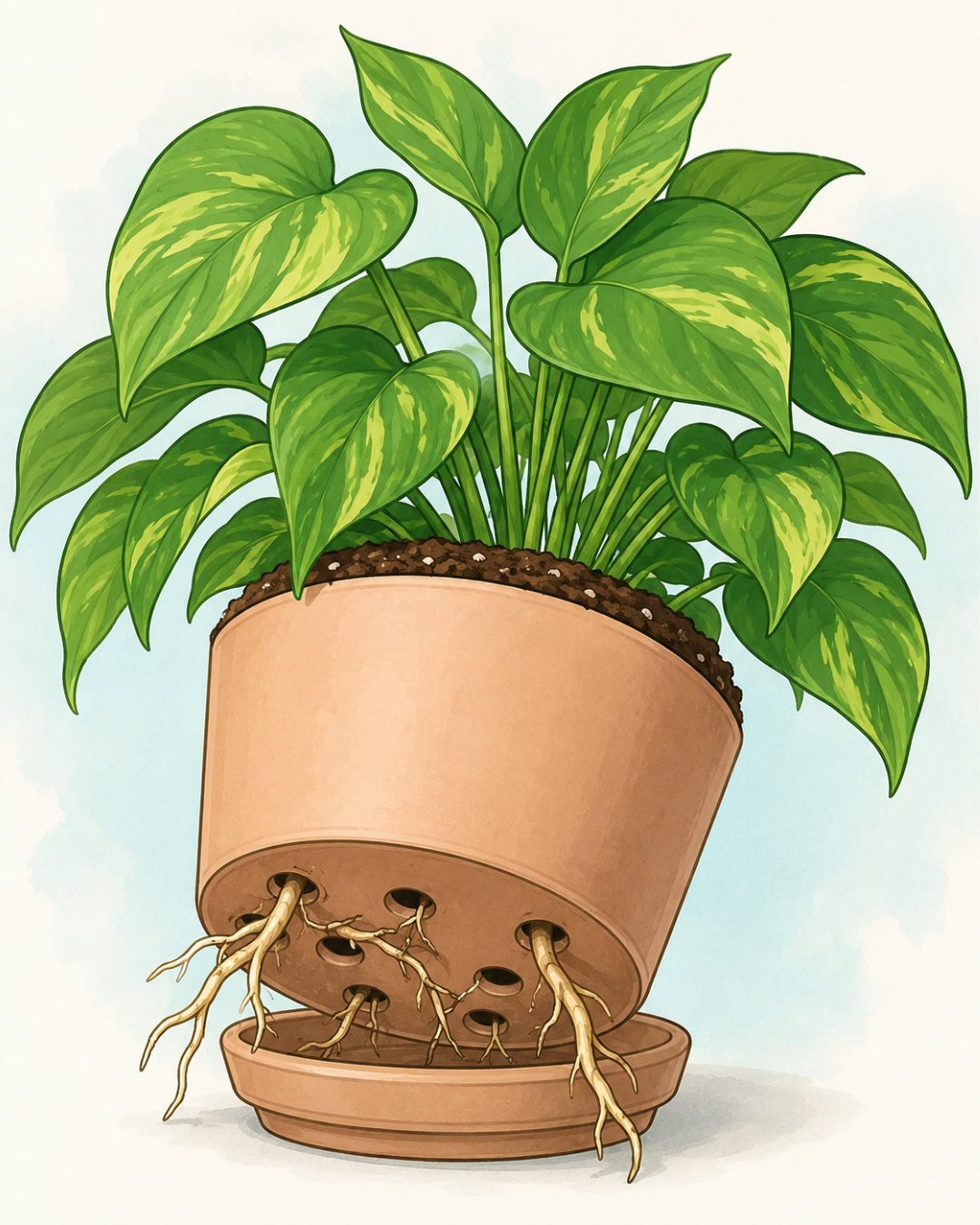
Take a look underneath the pot. If you find a head of roots escaping through the drainage holes, your plant has already given you the first clue. This is one of the clearest signs that the roots have taken up much of the available space and started looking outside the pot for new room to grow, breathe, and absorb water.
Don’t panic, though, because seeing one root or two at the bottom isn’t necessarily a problem. Vigorous plants do this fairly often, especially when they’re growing well. The real warning sign is when roots form a visible tangle, come out in large numbers, or even start interfering with drainage.
This sign matters because it points to a real physical limit. The plant isn’t just “looking cramped”; it has literally reached the end of the pot. At that point, watering becomes less effective, nutrient uptake suffers, and growth usually slows down.
Before repotting, I always check the plant’s overall condition. If it’s healthy, growing well, and watering is still working normally, you may be able to wait a little longer. But if roots are escaping, the pot dries out too fast, and the plant has lost vigor, the message is clear: it’s time to move to a slightly bigger pot.
2. Roots showing on the surface of the potting mix
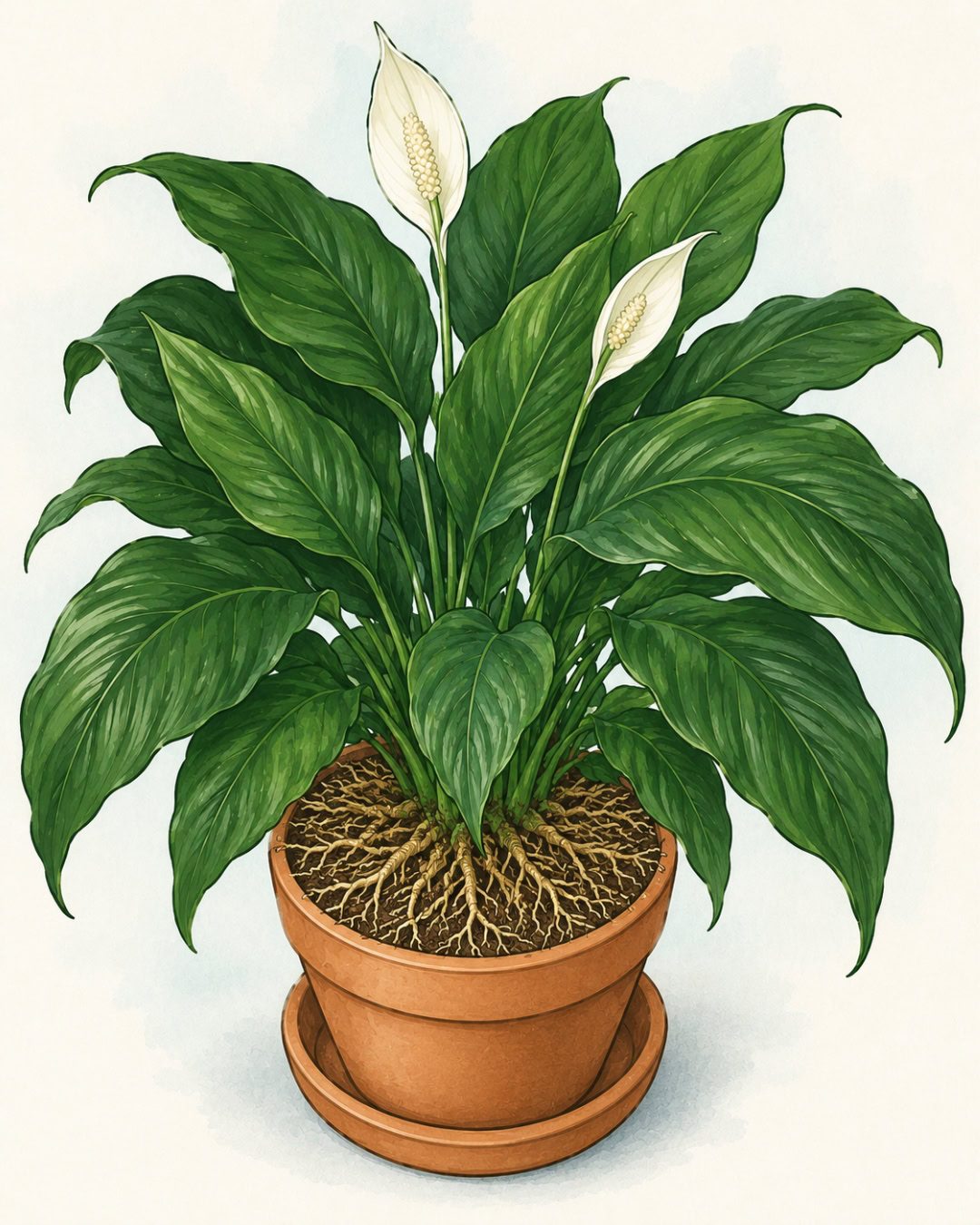
Another sign I like to point out to beginners is when roots start popping up on the surface of the soil, forming threads, cords, or even a kind of web over the potting mix. That usually means the pot is so full of roots that there isn’t much open space left below.
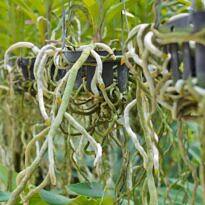
Under normal conditions, most roots stay protected inside the potting mix, where they can find moisture, air, and nutrients. When they start appearing excessively on top, it’s because they’ve gone looking for space where they theoretically shouldn’t be. The exception is epiphytic orchids and some anthuriums. These plants have roots with negative geotropism, so they can keep growing upward and outward even when the pot isn’t crowded.
This symptom rarely shows up alone. It usually comes with other signs: water runs down the sides, the potting mix feels hard or shallow, the plant dries out too quickly, and fertilizing stops making much difference. It’s like trying to cook a full meal in a tiny pan. You can make it work for a while, but the system is always running at the limit.
This is where an important distinction matters, the kind that helps you avoid unnecessary repotting. Normal surface roots are one thing; roots exposed by potting mix erosion are another. Heavy watering, rain, or gradual loss of soil can leave roots visible without the pot actually being too small. In that case, topping off the potting mix solves the problem. But if you touch the surface and feel a compact mass of roots underneath your fingers, repotting will probably be necessary.
3. The potting mix dries out too fast
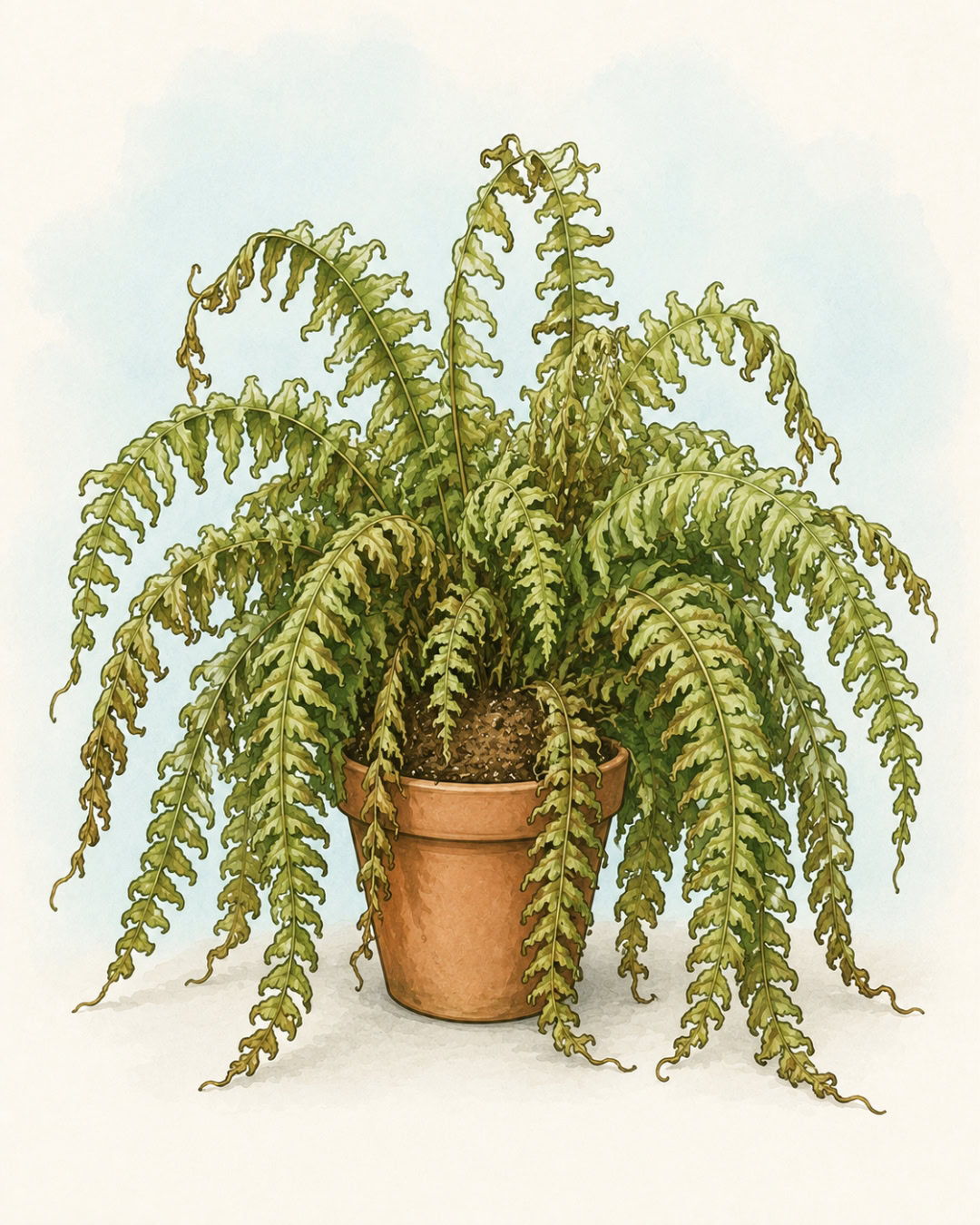
You water it properly, but in no time the potting mix is dry again? That’s one of the trickiest and, at the same time, most revealing signs of a pot that’s too small. When there are too many roots and not enough potting mix, the pot loses its ability to hold water long enough.
The reason is simple. The inside of the pot gets taken over almost entirely by roots. The potting mix, which should act as a balanced reserve of water, air, and nutrients, gets reduced to a tiny fraction of the space. The result is a plant that seems thirsty all the time, even with frequent watering.
The sign becomes even more obvious when a plant used to hold moisture for several days and then suddenly starts drying out much faster, with no major change in weather, season, light, or airflow. On hot days, it’s normal for water to evaporate more quickly. But when that faster drying becomes the new pattern, it’s worth checking the pot size. Note: Plants that have put on a lot of foliage for a while do tend to dry out faster, and that may not mean there’s a problem with the pot. The more leaves transpiring, the sooner the plant will need water again.
This problem is especially common in tropical foliage plants, such as:
- Pothos
- Philodendrons
- Anthuriums
- Peace lilies
- Monstera
But it also shows up in fruiting plants, herbs, and ornamentals that have stayed in the same container too long.
Watch out for a classic trap: watering more often doesn’t always fix it. Many times, it only masks the problem. If the pot is packed with roots, the plant needs more room and fresh potting mix to restore its water reserve. More water in the same crowded pot treats the symptom, not the cause.
4. Water runs straight through or the root ball comes out of the pot in one piece
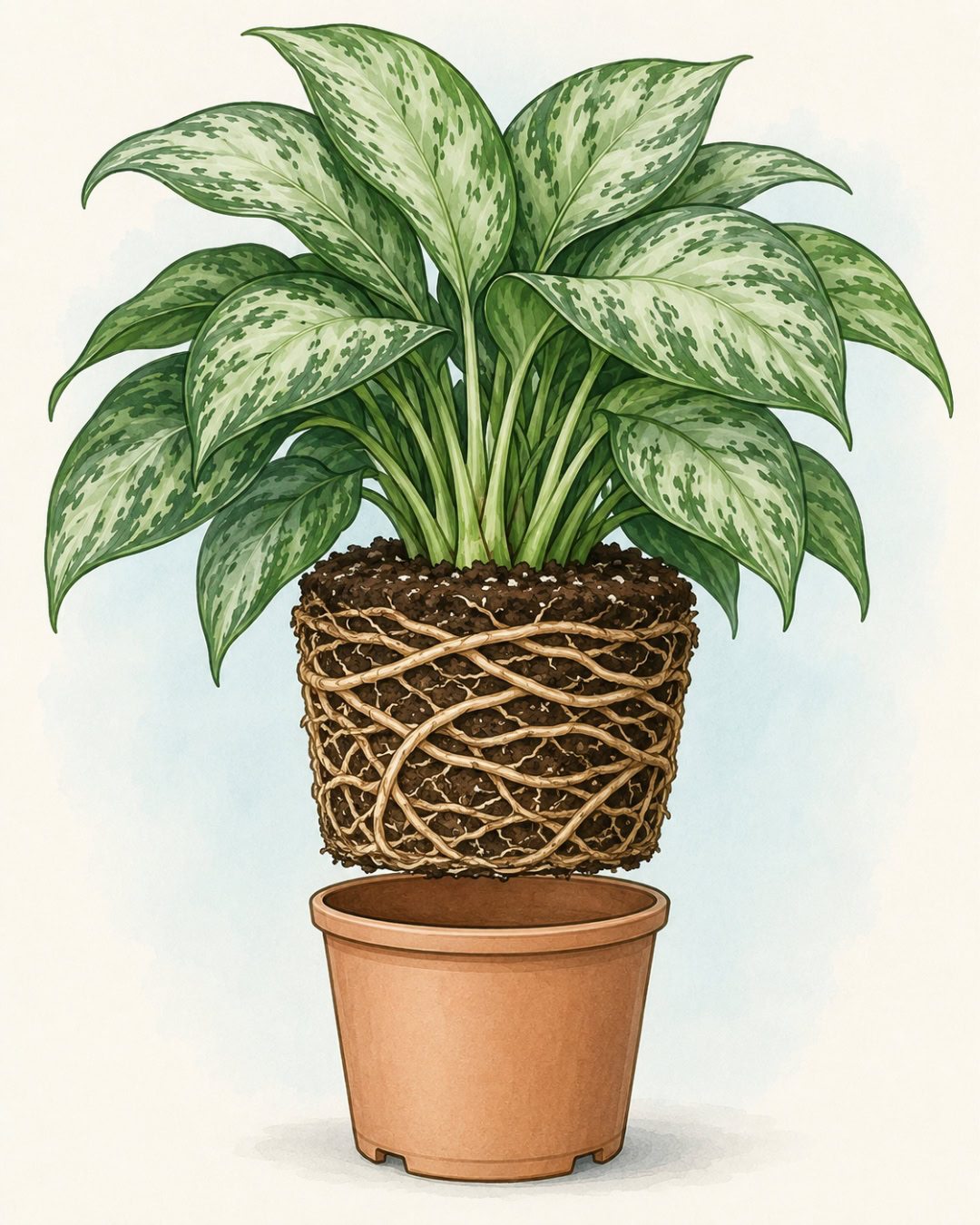
When watering water runs through the pot without really wetting the soil, something is wrong. And one of the most common reasons is simply too many roots. The root ball becomes so compact that water can’t penetrate and ends up running down the sides or shooting out quickly through the drainage holes.
This sign is typical of plants that have been in the same pot for years. When you try to unpot it, the root ball comes out intact, keeping the exact shape of the container. Instead of a loose mix of roots and potting medium, you get a rigid block, with roots circling around like a ball of yarn. It’s the classic “root-bound” plant.
At this stage, the pot has stopped functioning as a growing environment and has become nothing more than a cramped container. The plant may survive, but it tends to lose vigor, respond poorly to fertilizing, and struggle more during hot or dry periods.
Before you make the call, remember that water also runs straight through when the potting mix is extremely dry and hydrophobic, especially in older mixes with lots of peat or broken-down organic matter. That’s why I like to cross-check the clues: if water runs through, the pot dries fast, roots are showing, and the root ball is compact, the diagnosis becomes much more reliable.
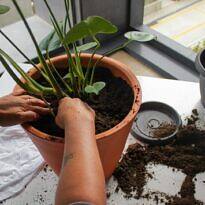
A tip from someone who has done this many times: at transplant time, it’s usually worth gently loosening the outer roots of the root ball before settling the plant into its new pot. No need to tear everything apart like you’re defusing a bomb. A small opening in the circling roots, using a skewer, chopstick, or fork, already helps the plant understand there’s fresh potting mix out there to explore.
5. Growth stalls, even with good care
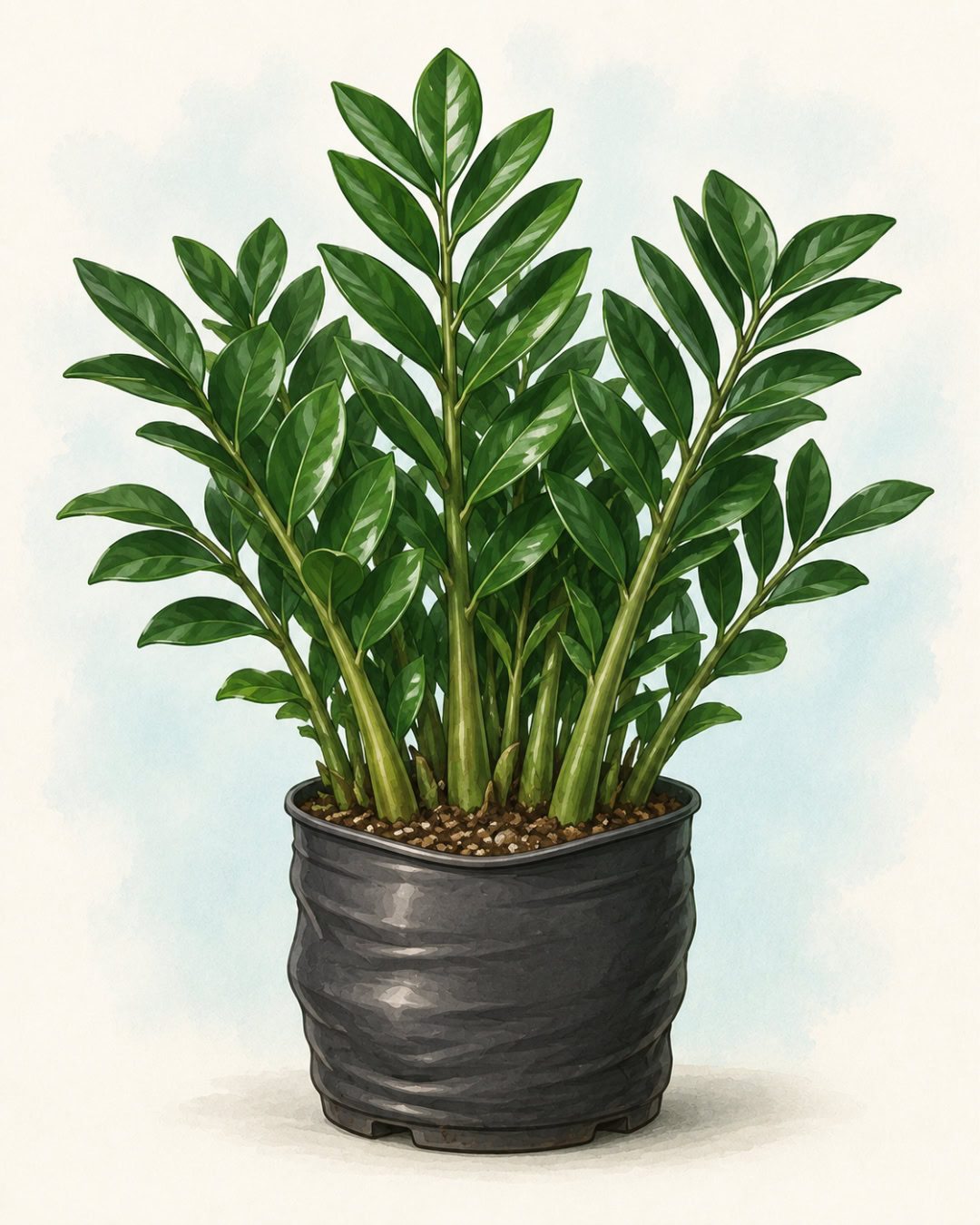
This is where the biggest confusion lives, so I’ll get straight to the point: a plant that has stopped growing doesn’t always need a bigger pot. It may be dormant, getting too little light, dealing with cold, pests, nutrient deficiency, or too much water. Sometimes even… a pot that’s too large! But when all the care is right and growth still stalls, a cramped pot moves onto the list of main suspects.
Top growth depends directly on root health and root expansion. It’s always proportional. If the roots can’t keep moving, the plant slows down. It may stay alive and look healthy, but it stops producing new leaves, strong shoots, or well-formed stems.
This sign matters even more when the plant had a period of active growth in the same spot and then, after a long time in the same pot, simply shut down. You fertilize, adjust watering, keep the light good, and nothing changes. It’s like the parking brake is on.
Before rushing into repotting, look at the context, because every plant has its own clock. Many grow less in winter or during low-light periods. Others are naturally slow. Succulents, cacti, and ZZ plants, for example, can’t be judged by the same standard as a pothos, a fern, or a syngonium. But if the pot is full of roots and growth has stopped, moving it to a slightly bigger pot may be exactly what gets development moving again.
6. Smaller leaves, weak new growth, or no vigor
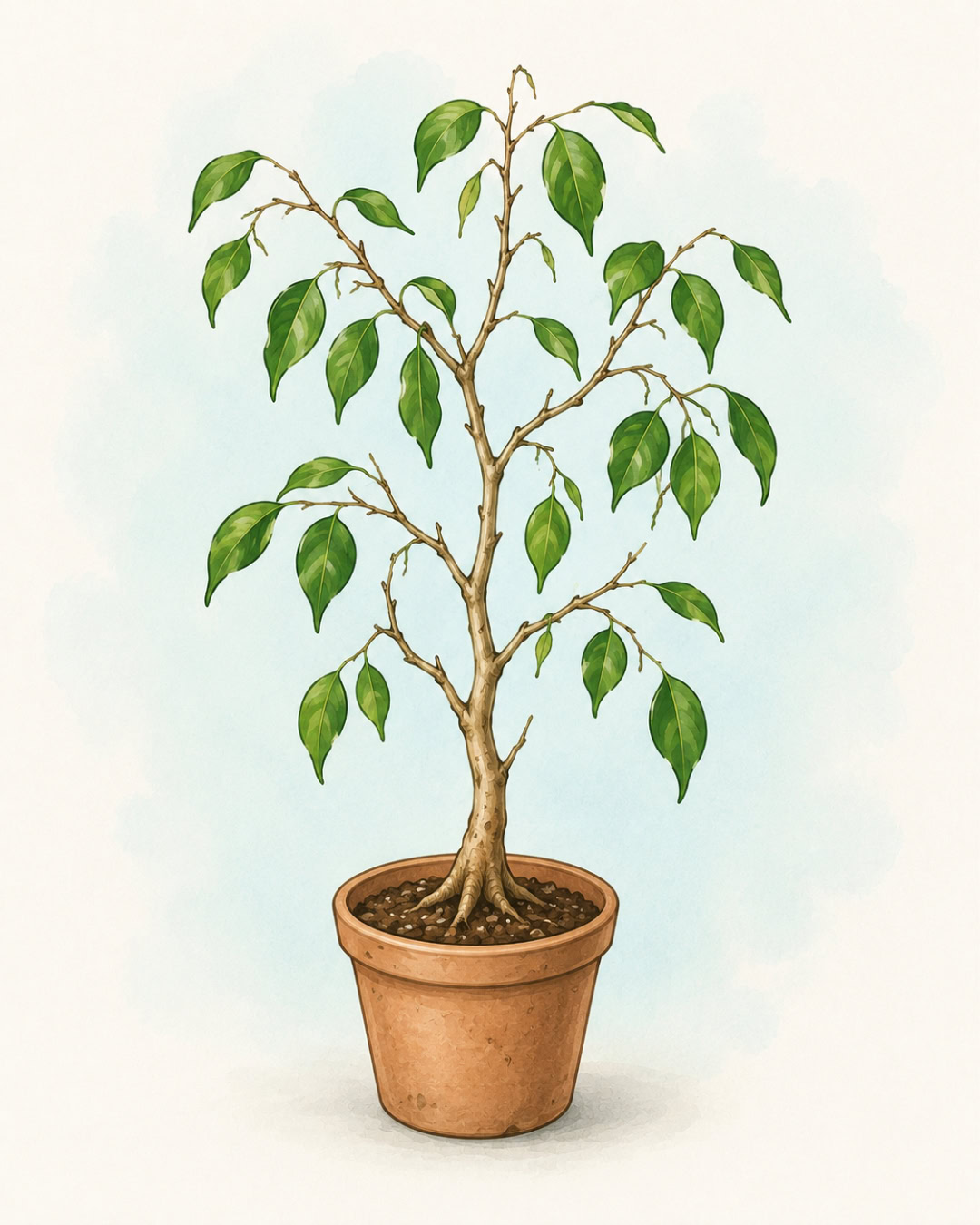
There’s one scenario that always catches my attention: the plant keeps putting out new growth, but each new flush gets weaker and weaker.
The leaves come in smaller, the stems get thin, new growth loses momentum, and the plant no longer has that full, healthy look it used to.
That’s a sign it’s trying to grow, but doesn’t have enough resources to support strong development. And the problem goes beyond just “not enough fertilizer.” In a pot that’s packed with roots, there’s less room, less usable potting mix, less water storage, and less balance between the foliage and the root system.
This is where a lot of people fall into a subtle trap: trying to fix everything with fertilizer. Fertilizing a plant with severely compacted roots may have little effect, because the potting mix is already degraded and the roots aren’t in good shape to absorb nutrients. In some cases, overfertilizing can make the stress worse instead of easing it. And even if it helps, it will only be temporary. Fertilizer washes out quickly when there’s very little potting mix to hold it.
Because smaller leaves and weak new shoots can also point to low light, nutrient deficiency, pests, or irregular watering, this sign needs to be read alongside the others. If the plant is getting good light, receiving proper care, has been in the same pot for a long time, and shows crowded roots, repotting becomes a very strong possibility.
Just a heads-up so you don’t get frustrated later: recovery is usually not immediate. The plant first needs to explore the new potting mix and grow new roots. Only then will the top growth respond, and that’s when you’ll start seeing stronger new shoots.
7. The plant becomes unstable or out of proportion for the pot
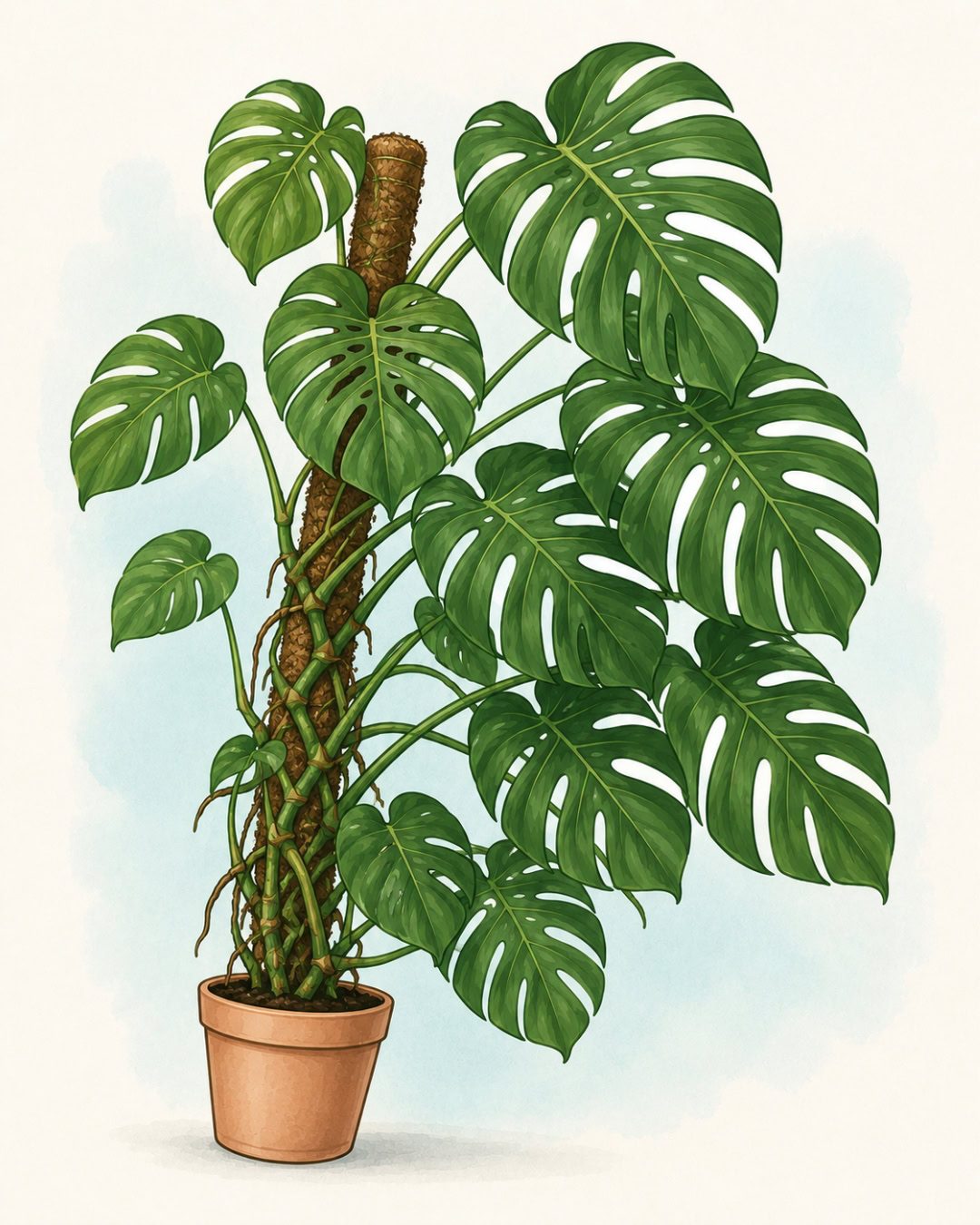
If the plant has grown a lot and the pot suddenly seems too small to support it, that’s another warning sign. It tips over easily, leans to one side, sways too much with the slightest touch, or simply looks off-balance, with a huge canopy sitting on a tiny base. You look at the pot and the proportions just seem wrong: too much foliage for too little pot.
And the problem here isn’t just cosmetic. A pot that’s too small offers little anchoring, little stability, and too little potting mix volume. In taller plants or those with heavy foliage, that increases the risk of tipping, broken branches, and root damage.
This sign shows up often in plants like:
- Ficus
- Bromeliads
- Dracaenas
- Indoor palms
- Scheffleras
- Monstera deliciosa
- Container fruit trees and staked plants
The canopy grows, gains weight and height, but the container stays the same. Eventually, the proportions just stop working.
Even so, a bigger pot does not mean an oversized pot. The ideal choice is a container only slightly larger than the previous one, with good drainage and enough weight to help balance the plant. Pots that are too large hold excess water, especially while the plant still doesn’t have enough roots to fill all that new potting mix.
For tall plants, in addition to moving to a bigger pot, you may also need to add a stake, loosen the root ball slightly, prune lightly to rebalance the canopy, or choose a heavier container made of ceramic, concrete, or terracotta. Adding weight to the bottom of the pot, or choosing a more stable shape, can also help. The goal isn’t just to give it space — it’s to restore stability to the whole plant.
Before repotting: don’t go overboard with pot size
When a plant shows several of these signs at once, repotting is almost always welcome. But that doesn’t mean it should go straight into a giant pot. That, in fact, is one of the most common mistakes I see: putting a small seedling into a huge pot, expecting it to suddenly have lots of room to grow. In most cases, the opposite happens. The plant stalls because it can’t handle that much moisture.
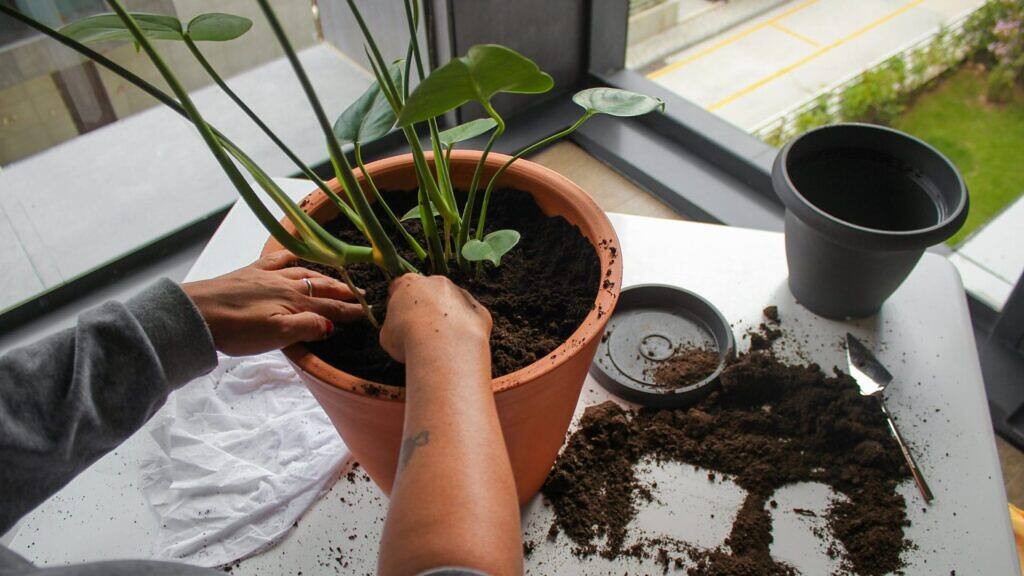
In most cases, the safest move is to go up just one or two pot sizes. For small and medium plants, that usually means only a few inches more in diameter. It may not sound like much, but it already gives the roots fresh space without drowning them in wet potting mix all around.
Pots that are too large can cause exactly the opposite of the desired effect. Because there’s so much extra potting mix without roots filling the space, moisture lingers for too long. In plants that are sensitive to soggy conditions, the risk of root rot shoots up. That’s the case for:
- Succulents
- Cacti
- ZZ plants
- Peperomias
- And many other houseplants
So make the switch carefully: a new container with drainage holes, the right potting mix for the plant, and careful watering after repotting. The plant doesn’t need a mansion. It needs a bigger pot — a larger, functional home with good airflow for the roots.
Remember to repot at the right time! A plant transplanted during dormancy will suffer more than necessary. It’s better to move it into a new home when growth is active, usually in spring or summer (depending on the species: be sure to check each one).
The quick diagnosis
If you’re not sure, do a mental check before buying a bigger pot. The more items on the list your plant checks off at the same time, the more likely it is that the plant is root-bound and needs a bigger pot:
- Roots coming out in large numbers through the drainage holes
- A mass of roots visible on the surface of the potting mix
- The potting mix drying out much faster than before
- Water running straight through and the root ball coming out intact, in one piece
- Stalled growth even with proper care
- Smaller leaves and weak new growth
- A plant that’s unstable or visibly out of proportion for the pot
One isolated sign calls for observation. Several together call for transplanting as soon as possible.
Now that you know how to read these signals, do one simple thing today: choose that plant that seems to have been “stuck” and take a closer look. Gently scratch the surface, check the drainage holes, and notice how quickly the mix dries out. If the signs are there, set aside a pot just one size bigger and give the roots the space they’re asking for. Your plant may not talk, but it will thank you with new leaves. And when that happens, tell me about it in the comments.