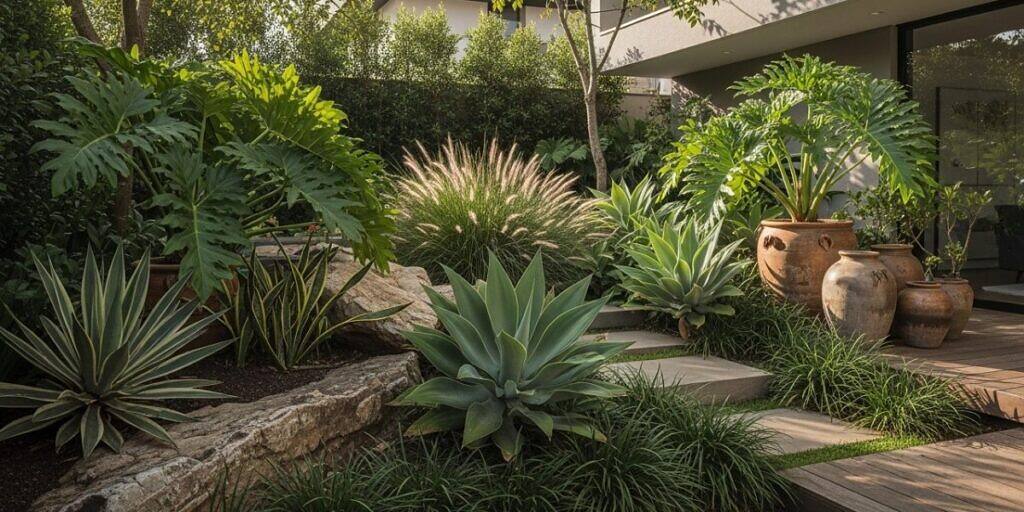
You know that feeling that your yard has become just one more problem to deal with over the weekend? In 2026, the major shift in landscaping is exactly the opposite. The idea now is to turn backyards into living systems that work on their own — cooling the house, capturing rainwater, and becoming a sanctuary for the soul. It’s not about having more work. It’s about having more life, literally sprouting beneath your feet.
The accelerating pace of climate change and the overload of digital life have imposed a new imperative on outdoor design. In 2026, the garden transcends the role of a mere static ornament to establish itself as a performative ecosystem and an emotional sanctuary. We are no longer seeking absolute control over the land, but a strategic partnership in which landscaping functions as a tool for resilience and healing — transforming outdoor spaces into refuges of intention and balance.
The landscaping trends shaping this year are not only about aesthetics — although beauty is more than guaranteed. The focus now is on ecological functionality: gardens that solve real problems, such as excessive heat, flooding in the yard, and even the sense of disconnection from nature that so many of us experience in everyday life. According to the Royal Horticultural Society, the “regenerative gardening” movement is gaining ground precisely because it combines sustainability with practical results that become visible in just a few months.
Prepare to see fewer flawless lawns that demand gallons and gallons of water and more layered, dense gardens, full of texture and movement. The aim is to imitate nature, not control it. Heavy, artificial materials are stepping aside. In their place come permeable paving, decks made from responsibly managed wood, and even biochar hidden in the potting mix — invisible technology that makes all the difference to plant health.
We have gathered the most relevant movements from the global landscaping scene. These 12 landscaping trends go far beyond decoration: they are life philosophies flourishing under the sun.
“Landscaping in 2026 is not about having more plants, but about choosing better — respecting the place, the season, and the people who grow them.”
The 12 Landscaping Trends That Define the Garden of 2026
1.
The Revolution in Soil Biology: Cultivating Living Earth

Forget the idea that synthetic fertilizer solves everything. The new frontier of contemporary landscaping is invisible to the naked eye, yet absolutely transformative: it is soil biology — that silent, extraordinary universe of fungi, beneficial bacteria, earthworms and microorganisms that turns organic matter into living, bioavailable nutrition for plants.
The central principle of this movement is regenerative gardening, or “no-dig”: by keeping the soil layers undisturbed, we protect the mycorrhizal networks — true nutrient superhighways that connect plant roots to one another. Digging, compacting, or sterilizing soil with harsh chemicals essentially destroys this underground nervous system that has taken years to develop.
Mulching is one of the simplest and most impactful soil biology practices: layers of dry leaves, lawn clippings or straw over beds help retain moisture, feed soil microorganisms and suppress weeds — all at the same time. Complementing this system, the use of biological inoculants with mycorrhizae and the application of biochar create a soil environment that holds water and carbon in remarkable proportions. Living, well-structured soil can improve drainage by up to 40% (10–12 in) without any hardscaping work — purely through the addition of organic cover.
The “chop and drop” technique further supports soil biology: pruning waste is chopped and left on the ground as a living mulch, closing the nutrient cycle in a completely natural way. The “No-Mow May” movement, which emerged in the United Kingdom and has since spread to many English-speaking countries, encourages suspending mowing during certain periods to favor pollinators and allow the soil to breathe and regenerate.
What to look for at garden centers: organic soil conditioners (premium peat-based mixes, bokashi); biological inoculants with mycorrhizae; plant-based biochar for water and carbon retention; and slow-release fertilizers with living microorganisms.
2.
Micro Forests at Home: A Woodland in 215 ft² (20 m²)

Did you know it is possible to create a functional forest in just 215 square feet (20 m²)? The Miyawaki Method, developed by Japanese botanist Akira Miyawaki and later adapted for compact urban spaces around the world, uses high-density planting — between 2 and 4 seedlings per square meter (0.18–0.37 seedling/ft²) — and in just a few years produces a private micro forest with deep shade, a cooler microclimate, abundant birdlife, and an impressive level of biodiversity.
The secret of a Miyawaki micro forest lies in stratification: planting is organized into four layers that mimic the structure of a natural forest. The ground layer is formed by dense groundcovers that protect the soil and retain moisture. The shrub layer fills the intermediate space with medium-sized plants. Mid-sized trees, from 10 to 20 feet (3 to 6 m) tall, create the understory and provide partial shade. And the canopy trees — the tallest ones — form the protective crown that defines the microclimate of the entire micro forest.
A major practical advantage of this technique is the intense density itself: with very little bare ground exposed to direct sun, weed seeds simply fail to germinate. This dramatically reduces the need for long-term maintenance — and the Miyawaki micro forest begins to function and regulate itself.
In dense urban centers, where heat islands are increasingly intense, a Miyawaki micro forest can reduce local temperature by up to 3.6°F (2°C) and increase relative humidity during dry periods. It is environmental architecture in your own backyard. When sourcing plants, ask local nurseries for “reforestation seedlings” or “native trees in 6–8 inch (15/20 cm) pots” — they are more affordable than large, mature specimens and adapt better to local climate conditions.
3. Native Botanical Identity: Local Species in the Spotlight

Native plants shining in the garden.
Native plants are finally gaining the prominence they deserve in residential landscape design—and it is not just about cultural identity or a “green patriotism.” Above all, it is a matter of environmental intelligence: these species have evolved over millennia to withstand specific local climatic extremes, from prolonged droughts to periods of intense rainfall.
Contemporary landscaping is rediscovering its soul by prioritizing native species adapted to each region’s climate and soils. The Manacá da Serra (Pleroma mutabile) does more than mark the chromatic transition of the seasons—from white to lilac—it anchors the identity of the design. The Caliandra (Calliandra sp.) offers an exuberant bloom that feeds hummingbirds throughout the year. The Guaimbê (Philodendron bipinnatifidum) provides striking structural presence with minimal maintenance.
“The Manacá tells the story of where we live. By choosing a native plant, we are not merely decorating a garden—we are writing the botanical biography of a place.”
Other native plants on the rise for 2026 include the Pitangueira (Eugenia uniflora), an ornamental fruit tree that works beautifully along pathways and in large containers; the Quaresmeira (Pleroma granulosum), with intense flowering that feeds bees and butterflies; Caliandra, which attracts hummingbirds and is highly drought-tolerant; and the Yellow Ipe (Handroanthus albus), a symbolic tree known for its spectacular bloom.
Beyond their beauty, native plants act as magnets for local wildlife: native bees, butterflies, birds, and other pollinators recognize them genetically and form interdependent relationships with them. A garden designed with native plants is not just a garden—it is a functioning fragment of a larger ecosystem.
4.
Smart Xeriscaping: The End of the Perfect Lawn

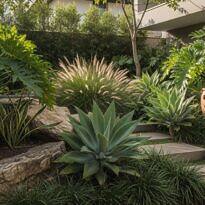
The obsession with a flawless, water‑hungry green carpet is finally losing ground—literally. In 2026, the smart response to extreme heat and water restrictions is xeriscaping: a landscaping approach that prioritizes low‑water plants and groundcovers that work with the microclimate, not against it.
The great star of this transition is peanut groundcover (Arachis repens). Unlike common turfgrasses, it does not require frequent mowing, needs far less nitrogen fertilizer, and forms a dense mat dotted with delicate yellow flowers that attract pollinators. On slopes and in low‑traffic areas, it has become the natural replacement for conventional turf lawns—with an organic beauty that traditional grass can never quite match.
Complementing xeriscaping are mini meadows—small areas planted with wildflowers that break away from the rigid geometry of traditional gardens. They support pollinators, reduce chemical inputs, and create landscapes that look as if they have sprung up spontaneously, with an ever‑changing, organic beauty. Even in containers on a balcony or patio, a mini meadow of wildflowers can transform the space into a vital link in the local ecosystem.
Permeable paving—surfaces that allow water to infiltrate the soil—completes this movement. It eliminates standing water, reduces heat reflected by impermeable materials, and helps recharge groundwater. The new status symbol in landscaping is the garden that sustains life, embraces irregular edges, and values the authenticity of natural textures over manufactured surfaces.
5. Rain Gardens: Climate Resilience in Your Backyard

But this approach can move from large-scale to micro-landscapes as well.
Here lies the major practical breakthrough for 2026: gardens that are not only beautiful, but that also address real climate challenges. Rain gardens are strategically placed planting beds designed to capture water from gutters and roofs, channeling it into controlled infiltration zones — preventing flooding, recharging groundwater, and creating noticeably cooler microclimates.
The system works with elegant simplicity: instead of rushing across the yard or clogging storm drains, rainwater slowly infiltrates through the rain garden beds, hydrates plant roots, and cools the surrounding area through evaporation. At the height of summer, the perceived temperature difference in landscapes that include this system can reach 3°C (about 5.4°F) — without spending a single cent on electricity.
A well-designed rain garden can absorb up to 30% of the surface runoff on a property. This landscape design trend is directly aligned with the increasing frequency of urban flooding in many cities worldwide — and can be implemented in spaces from small 215 sq ft (20m²) backyards to large residential communities. It is functional landscaping at its finest.
6. Biophilic Design and Well-Being: The Garden as Sanctuary

Biophilic design is not a passing fad; it is science. Well-established studies demonstrate that regular contact with plants and natural environments reduces cortisol levels (the stress hormone), improves sleep quality, strengthens immunity, and significantly boosts overall well-being. In 2026, residential landscaping incorporates this science in an intentional and sophisticated way, becoming true health hubs.
The concept of the Wellness Garden — the garden as a hub of well-being — is gaining new layers of meaning. Integrating outdoor saunas and cold immersion pools (cold plunges) into the rain garden and surrounding landscape reflects a growing desire for health rituals deeply connected to nature. The idea of the Sunday Garden evokes the comforting aesthetics of understated luxury that favors “low-intensity” effort in exchange for deep relaxation, with long-lasting structures that ensure year-round beauty.
“Gardens are increasingly seen as spaces to nourish and be nourished.
It’s a subtle but important shift — from low maintenance to low intensity.“
The full sensory experience is at the heart of this landscaping trend.
- Touch: the velvety foliage of lamb’s ear (Stachys byzantina) and the rugged texture of natural stone.
- Smell: lavender positioned near seating areas, rosemary by the entrance, Arabian jasmine perfuming warm summer evenings.
- Sight: contrasts of light and shadow, the movement of leaves in the wind, the color of native flowers.
- Hearing: closed-circuit water features to mask urban noise, wind whispering through bamboo and ornamental grasses.
- Taste: edible gardens integrated into the design, fruit trees near the outdoor kitchen or entertaining area.
Every choice is intentional; every plant plays a therapeutic role within the landscape design.
7. Botanical Bento: Every Square Foot with a Purpose

As a direct response to rapid urbanization and shrinking residential lots, Botanical Bento landscape design offers an elegant solution to the challenge of doing more with less outdoor space. Inspired by the organizational logic of Japanese lunch boxes (bento boxes), this landscaping trend divides the garden into modular compartments: each “section” has a clearly defined function — recreation, meditation, outdoor cooking, ecological preservation, or food production.
The brilliance of this landscape design method lies in how it transforms small backyards into gardens that feel expansive: the clear definition of zones prevents visual clutter and creates the perception of multiple outdoor rooms within a single plot. Smart edging — low rows of aromatic plants, natural stone, or reclaimed wood — defines these zones organically, without building harsh partitions that break the visual flow.
In dense cities, where compact lots are the norm, this is one of the most practical landscaping trends of the year. A 320 sq ft (30 m²) Botanical Bento garden can include: a compact vegetable patch, a native planting bed for pollinators, a social area with a permeable deck, and a fragrant meditation corner — all cohesive, harmonious, and highly functional.
Urban Edibles: High-Performance Kitchen Gardens and Tabletop Veg

Food security and the therapeutic value of gardening converged in 2026 in a sophisticated yet accessible trend: Tabletop Veg. The concept is simple in principle and revolutionary in practice — in containers as small as 20 inches (50 cm), it is possible to grow a generous and visually striking harvest using high-performance dwarf varieties.
This year’s standout for Tabletop Veg gardens is the “sweet” forms of blackcurrants, which outperform blueberries in yield because they do not require highly acidic soil. Strawberries, blueberries, cherry tomatoes, raspberries, blackberries and even compact grapevines have a permanent place in this edible landscaping trend.
Across temperate and subtropical regions, the Tabletop Veg approach adapts easily to local conditions: dwarf fruit trees in containers, compact citrus, patio apples and pears, as well as miniature figs, are increasingly common features in urban vegetable gardens. Tabletop Veg designs are often completed with tabletop chilies, compact eggplants, and small functional fruits that are easy to grow, such as Physalis, creating an edible palette that is both ornamental and productive.
The integration of the vegetable garden into the overall landscape plan is no longer a purely utilitarian concession, but a central design element. Hanging baskets overflowing with strawberries on the balcony, a herb spiral near the kitchen door, and shelves filled with culinary herbs and edible flowers all help shape a space that is generous, beautiful, and closely attuned to the rhythm of the seasons.
9. Foliage Maximalism and Visual Gravity

A wonderful combination for tropical gardens.
In 2026, flowers have taken on a supporting role. The true stars of the most sophisticated gardens are the structural foliage plants—species that provide year-round visual interest, texture, and framework, regardless of the seasons. Landscape designers often call this “visual gravity“: strong focal anchors that guide the eye and lend weight and coherence to the garden layout.
The split‑leaf philodendron (Philodendron bipinnatifidum), with its deeply cut, dramatic leaves, remains the quintessential anchor plant in tropical and subtropical garden design. Sculptural agaves, candelabra cactus and large bromeliads create bold silhouettes that hold their structure through every season. Layering foliage textures is the core strategy of this movement: the waxy foliage of hydrangeas contrasts beautifully with the airy plumes of ornamental grasses, while the fleshy leaves of agaves play against the lush, tropical presence of heliconias.
As a backdrop, structural materials—raw natural stone, artisan ceramics, reclaimed wood—add depth and layering that withstand and even benefit from seasonal change, weathering gracefully over time. The maximalism of 2026 is not about excess; it is about expert curation. Every leaf has a function, every texture has a purpose, and together they form a living landscape that breathes and evolves year after year. The “Chaos Gardening” approach celebrates that spontaneity: uneven borders, self‑seeding plants, and the patina of age are read as signs of authenticity, not poor maintenance.
10. Biological Control: The Garden’s Invisible Allies

Ladybugs, native bees, tiny parasitic wasps, lacewings—these are the true “invisible gardeners” in a healthy ecosystem. When the garden is designed to attract this beneficial insect community, pest control occurs naturally, without toxins, without extra cost, and without the harmful effects that synthetic pesticides have on the entire food web.
The principle is elegant: instead of fighting pests with chemical products—which also eliminate natural predators and create a cycle of dependence—the biological garden attracts and sustains a control fauna that regulates populations of harmful insects autonomously. A single adult ladybug can consume up to 50 aphids per day. A colony of native bees pollinates and still produces honey.
Native flowers in the Asteraceae family—wild daisies, chrysanthemums—are magnets for tiny parasitic wasps. Flowering herbs such as dill, cilantro, and fennel attract lacewings that feed on aphids. Butterfly host plants create complete ecological cycles in the garden. And insect hotels—simple structures made of wood and natural fibers—offer shelter for solitary pollinators.
This is the most effective antidote to the vicious cycle of the conventional garden: pesticide kills the pest but also kills its allies; the allies disappear, the pest returns in greater numbers, more pesticide is applied. The biological garden breaks this cycle at its foundation—and the result is a space that is more resilient, richer in biodiversity, and significantly less labor-intensive to maintain over the medium term.
11. Invisible Technology: AI, IoT, and the Smart Garden

By 2026, technology takes on a paradoxically invisible role in the biological garden: the more advanced it is, the less it shows. It is not about flashy gadgets, but about systems that listen, learn, and respond to the rhythms of the ecosystem—working like a tireless, intelligent gardener.
Soil sensors connected via IoT (Internet of Things) and integrated with artificial intelligence systems monitor, in real time, soil moisture, pH, and electrical conductivity—a direct indicator of nutrient availability. With these data, precision irrigation systems prevent the waste of up to 50% of the water used by conventional gardens. Meters connected via Bluetooth or Wi‑Fi and programmable subsurface drip systems controlled by smartphone are already widely accessible.
Smart reservoirs (smart water butts) are among the most practical innovations: they empty automatically based on the weather forecast to maximize rainwater harvesting. Silent, solar-powered robotic lawn mowers operate without disturbing the peace of the retreat, returning to their base autonomously.
The “Dark Sky” LED lighting protects the circadian rhythm of nocturnal wildlife and reduces light pollution by allowing you to adjust the light spectrum through an app.
The most impressive leap forward is the Digital Twins technology: software that analyzes microclimates and simulates plant growth over 10 to 20 years, predicting future shade and root competition before the first plant is even installed. The ideal technology for the garden is the kind you forget is there — noticeable only through its results: healthier plants, water savings, and reduced maintenance.
12. Wabi-Sabi Aesthetic: Materials with Soul and the Charm of Imperfection

The cold perfection of décor catalogs is giving way, in 2026, to outdoor living spaces with real soul. The lived-in aesthetic, deeply influenced by the Japanese Wabi-Sabi philosophy — the art of finding beauty in imperfection, transience, and incompleteness — is becoming a defining expression of conscious contemporary landscaping.
The rigid minimalism of past garden design has been replaced by naturalistic landscaping that fully embraces spontaneity and natural cycles. Raw materials such as irregular natural stone, reclaimed wood with visible weathering, exposed brick with patina, oxidized iron, and handcrafted ceramics with visible flaws take center stage in an aesthetic that is, paradoxically, highly sophisticated.
“Modern outdoor design is shifting toward more eclectic, curated spaces that reflect personal style and creativity rather than catalog perfection. It’s all about character over perfection.”
The 2026 color palette perfectly reflects this philosophy: eroded terracotta — that warm, deep, fired-clay tone — and deep moss green dominate planters, outdoor furniture, and even wall paints. These are colors that speak to soil and time, creating a sense of comfort and a sophistication that never shouts, only whispers.
Certified woods (pressure-treated) or composite lumber made from recycled material are replacing exotic hardwood decks — besides being more sustainable, they last longer and age gracefully. Full biophilic integration — removing the barrier between indoors and outdoors with decks at interior floor level, floor-to-ceiling windows, and plants that flow seamlessly between the living room and the patio or terrace — is the architectural expression of this landscaping movement.
The garden that flows into the home becomes part of everyday life, not just a backdrop for social media.
The Future Is Intentional Landscaping
The success of landscaping in 2026 is not measured by how many species are planted, by the size of the property, or by the scale of the budget. It is measured by the precision of each choice — by the depth of intention behind every plant, every material, and every garden zone, all designed to create something greater than the sum of its parts.
A well-designed landscape in 2026 is one that respects the passage of time, the limits of the local climate, and the energy of the people who live there. One that offers shade when the sun is harsh, captures water when the rain comes, and attracts life when the world feels too fast. One that is beautiful in full spring bloom and just as beautiful in the bare branches of winter. One that does not demand constant attention, yet generously rewards anyone who pauses to look.
The 12 landscaping trends explored in this guide are not passing fads — they are signs of a deep transformation in how we relate to outdoor spaces and, by extension, to nature itself. By integrating regenerative soil biology, native plants, precision technology, biophilic aesthetics, and a sustainability mindset, we create landscaping that not only survives global change, but actually thrives with it.
Start small. Choose a planting bed, improve the soil with organic mulch, plant a native species, observe. In just a few months, you will experience firsthand what it means to have a piece of ecosystem working for you — and not against you. What began with a shovel and a few young plants will turn into a refuge you will never want to leave.
The future of your landscaping begins today. And it is alive, resilient, intelligent, and incredibly generous.