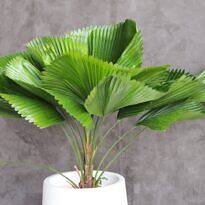
If your areca palm has brown, dry tips, dull leaves or a generally “tired” look, you’ve probably thought: “I need to water more.” However, when the areca palm is grown in a pot indoors, the main factor that ruins its appearance is almost never water.
Out in the garden, the logic is different. In outdoor areas with filtered sunlight, natural air movement and living soil, the plant usually has a wider margin of tolerance. But indoors, in a container, it depends entirely on how well you can reproduce its natural conditions: light, air circulation and humidity. And that’s exactly where many people go wrong without realizing it.
Enjoyed this guide? There's more where it came from.
Understanding why plants behave the way they do is what turns guesswork into a thriving garden. That's exactly what we share in the Shrubz newsletter — free, straight to your inbox:
- Seasonal care reminders timed to your gardening calendar
- Propagation and pruning techniques, explained step by step
- Pest and disease alerts — catch problems before they spread
The most common mistake: treating a potted areca palm as if it were a landscape plant
When an areca palm is in the ground, it “interacts” with the environment: excess water drains into the soil, air circulation is constant and the climate shifts throughout the day. In a pot, especially in an apartment or office, that doesn’t happen. The container restricts the roots and the air is often drier, with less movement.
The result: people increase watering to “compensate” and create a second problem. In a pot, too much water can lead to waterlogging, weaken the roots and make the plant look even worse. In other words, the symptoms look like thirst, but the real cause is usually an inadequate environment.
What an areca palm really needs to look good (and it’s not more water)
For an areca palm grown indoors to stay healthy and attractive, priority number one is bright, indirect light (genuinely bright conditions), combined with a well‑ventilated space. This explains why two areca palms watered the same way can look completely different: one is in the right spot and the other is merely “surviving” in the wrong corner of the room.
Important contrast: outdoors, an areca palm can tolerate a wider range of light levels because the air moves freely and natural humidity helps. In an indoor pot, if the light is too weak, the areca palm loses vigor, produces fewer new fronds and starts to show damage at the leaf tips.

Ideal light: the simple change that transforms the plant’s appearance
Think of light as the areca palm’s “fuel.”
Indoors, areca palms usually suffer at two extremes:
- Dark corner: the plant may stay green for a while, but it gradually weakens, turns yellow, and looks sparse.
- Strong direct sun through the window: this can scorch the leaves and make the brown tips worse.
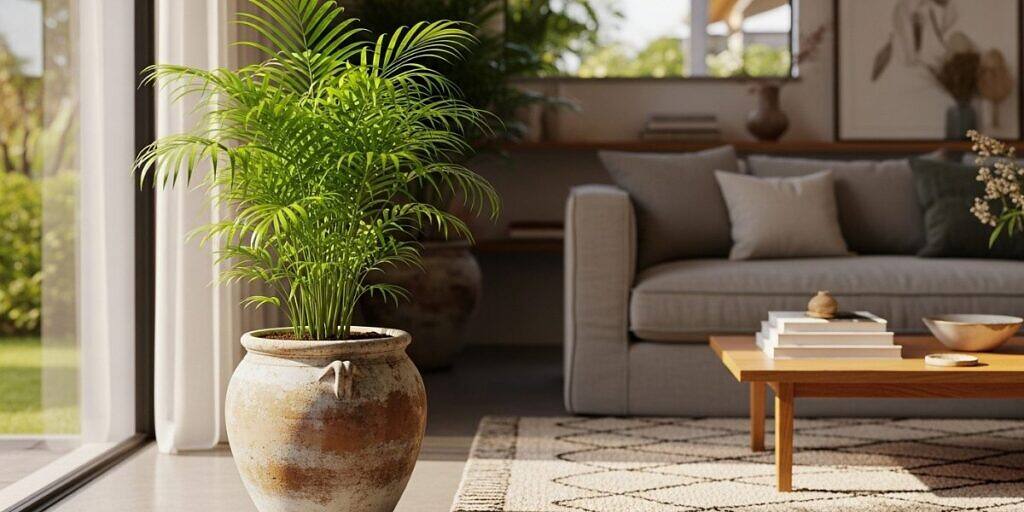
The best setup is to place your areca palm near a bright window, where it receives filtered light (sheer curtains, blinds, or light that comes in without hitting the foliage directly). A simple way to test the light: if during the day you can comfortably read there without turning on a lamp, your areca palm will probably do well in that spot.
In the garden, “a bit of shade” can sometimes mean faster growth. Indoors, “more direct sun” can mean stress. For a potted areca palm inside the house, the goal is steady, bright light, not harsh sun scorching the fronds.
Essential care that completes the package (for potted plants indoors)
Once you have the light right, a few simple care routines help keep your areca palm looking attractive for longer:
- Air circulation: tightly closed rooms make the plant more likely to look dull, with dried tips. Whenever possible, let fresh air circulate.
- Air humidity: constant air conditioning and fans dry the air out. Increasing humidity with a humidifier (or grouping several plants together) usually improves the overall appearance of the areca palm.
- Leaf cleaning: dust on indoor plant leaves is common and reduces both gas exchange and light absorption. Wipe the foliage with a damp cloth or give the plant a gentle shower (using cool water only).
- Pot with good drainage: in containers this is essential. If water stays trapped, the plant will suffer even if you “water correctly.” Make sure the pots have drainage holes, a generous drainage layer, and a well‑aerated potting mix.
- Fertilizing: instead of using regular garden NPK fertilizer on your areca palm, try slow‑release fertilizers formulated for container plants.
They provide a steady supply of nutrients over time and greatly reduce the risk of burning your plant’s roots.
Notice that all of this is related to container life, indoors or out on a balcony or patio. In the garden, rain, wind, and natural humidity are part of the routine. In a pot indoors, you need to simulate at least a little of that.
How to tell if your areca palm is in the right spot
In a pot and indoors, the areca palm shows clear signs when it’s thriving:
- new fronds appearing frequently;
- a brighter, more vibrant green color;
- firm fronds, without a wilted appearance;
- fewer dry tips over the course of a few weeks.
If, even with careful watering, your areca palm stays yellowish or always has scorched tips, first suspect low light and dry air—then consider old, compacted potting mix. Lack of water should be your last hypothesis.
A beautiful palm to decorate your home
To keep an indoor areca palm really attractive in a pot, the key is to prioritize the environment: bright indirect light, good air circulation, and adequate humidity. Water matters, of course, but it will not rescue an areca palm that is sitting in the wrong place.
If you make only one change today, make this one: move the plant to a brighter spot (without strong direct sun) and observe it for a few weeks. In indoor growing, this simple adjustment is often what separates a dull areca palm from an areca palm that becomes a highlight in your décor.
Para quem cultiva areca bambu em vaso e dentro de ambientes internos, ver o cuidado aplicado na prática ajuda muito a evitar erros comuns. No vídeo abaixo, você confere orientações visuais sobre posicionamento do vaso, iluminação ideal e ajustes simples no ambiente que fazem a planta ficar mais bonita e equilibrada ao longo do tempo.