When I bring up native savanna plants in a landscaping conversation, I almost always see the same picture form in people’s minds: short, twisted little trees with thick bark, rooted in cracked, barren-looking ground. That image is real, but it’s only one small piece of the story.
The Cerrado is far more generous than its reputation suggests. It includes woodlands, palm wetlands, open grasslands, and savanna formations, with a flora that’s honestly stunning: fruiting trees, flowering shrubs, blooming vines, bromeliads, orchids, everlastings, and a whole collection of grasses that move beautifully in the wind. A lot of that can fit into a home landscape and, as a bonus, create a garden that feels more vibrant, more alive, and richer in biodiversity.
Enjoyed this guide? There's more where it came from.
Understanding why plants behave the way they do is what turns guesswork into a thriving garden. That's exactly what we share in the Shrubz newsletter — free, straight to your inbox:
- Seasonal care reminders timed to your gardening calendar
- Propagation and pruning techniques, explained step by step
- Pest and disease alerts — catch problems before they spread
But there’s an important catch, and I want to address it right away: not every Cerrado plant will grow well in every climate. The right choice depends on the habitat where the species naturally occurs, your local climate, soil drainage, and the amount of space you have. Throughout this guide, I’ll introduce species for shade, flowers, fruit, pollinators, covering structures, and building real, layered gardens.
So, what are Cerrado plants?
Native savanna plants from the Cerrado are species native to the different landscapes that make up this biome, which dominates central Brazil and also extends into surrounding regions. And here’s the key point many people miss: the Cerrado is a mosaic. In open grasslands, herbs and grasses dominate; in typical cerrado, you’ll find scattered trees and shrubs; along streamside gallery forests, the vegetation grows taller and conditions stay more humid.
So let go of the idea that every Cerrado plant is crooked, stiff-leaved, and desert-like. Many species from the typical cerrado have evolved deep roots, underground storage organs, thick bark, and a tendency to drop leaves during the dry season. These are survival strategies that help them get through months without rain and, to varying degrees, withstand fire, which is part of the ecology of some Cerrado habitats. Plants from palm wetlands, seasonally moist grasslands, and forests play by different rules and may depend on moist soil for much of the year.
And let me clear up a misunderstanding I hear all the time: drought tolerance is not the same thing as not needing water. Even a tough, mature plant needs regular watering while it’s establishing roots in a new spot. A newly planted nursery-grown transplant does not have the deep root system of a specimen already established in the wild. Planting and walking away is a very effective way to lose the plant.
Why it’s worth using Cerrado plants in landscaping
The first benefit is purely aesthetic, and it’s one I love. Irregular canopies, seasonal bloom cycles, native fruits, and masses of ornamental grasses create a landscape that breaks away from the same repeated look you see in so many places. The Cerrado has a distinctive beauty that deserves to be explored. Instead of trying to hide the dry season at all costs, a design can embrace it: leaf drop, shifting grass color, and those bursts of bloom on nearly bare branches are all part of the appeal and feel refreshingly different.
When you choose a species suited to a climate and soil similar to those of its original habitat, it also settles into the landscape more naturally. The key word here is when: a Cerrado native from a hot region may struggle with hard freezes, and a species from moist grassland won’t enjoy a dry planting bed just because both happen to come from the same biome.
There’s also the ecological benefit, which to me is the most beautiful of all. Native plants provide food, shelter, and nursery habitat for birds, bees, butterflies, and many other creatures. No single species will turn a backyard into an ecosystem on its own, but a garden with multiple layers, staggered bloom times, and different fruit types offers far more resources than a bed planted with species that all serve the same role. And by growing these plants, you help bring attention to species that still rarely show up in nurseries or urban landscape plans.
What to look at before choosing species
Let me be very direct: the label “Cerrado plant” is not an automatic growing recommendation. Before you start buying, find out which plant community the species comes from and compare that with the conditions in your garden. That five-minute bit of research can save a lot of plants.
A classic example is sansao-do-campo. Because of its reputation as a fast-growing, defensive hedge, it became popular in rural landscaping. But it didn’t take long to learn that, despite its many strengths, it has almost no frost tolerance. That makes it a poor choice for areas with regular winter freezes.
- Climate: check summer and winter temperatures, the length of the dry season, and the risk of frost. The origin of the nursery stock also affects how well it adapts.
- Light: many field and savanna species, including many native savanna plants, need full sun. Planting under a dense tree canopy usually leads to weak growth and sparse flowering.
- Soil: pay attention to texture, drainage, depth, and moisture. A plant from well-drained ground and one from a seasonally wet swale won’t need the same care.
- Mature size: think about height, canopy spread, and root structure—not the cute little size of the nursery plant in its pot.
- How the space will be used: large trees should be planted well away from buildings, power lines, plumbing, and paved surfaces. Vigorous vines need sturdy vertical support.
- Legal source: look for nursery plants or seeds that were legally produced and sold, with reliable botanical identification. Common names vary and may refer to different species.
- Establishment: plan for watering during the establishment period. Frequency will vary depending on the species, soil, climate, and planting season.
Savanna Trees for the Garden
Trees are usually the backbone of the design: they create shade, frame the front entry, and bring flowering displays you can see from a distance. Fruiting trees add even more appeal, but remember that fallen fruit can also mean mess and a slipping hazard, so choose the planting spot carefully.
Cerrado yellow trumpet tree (Handroanthus ochraceus)
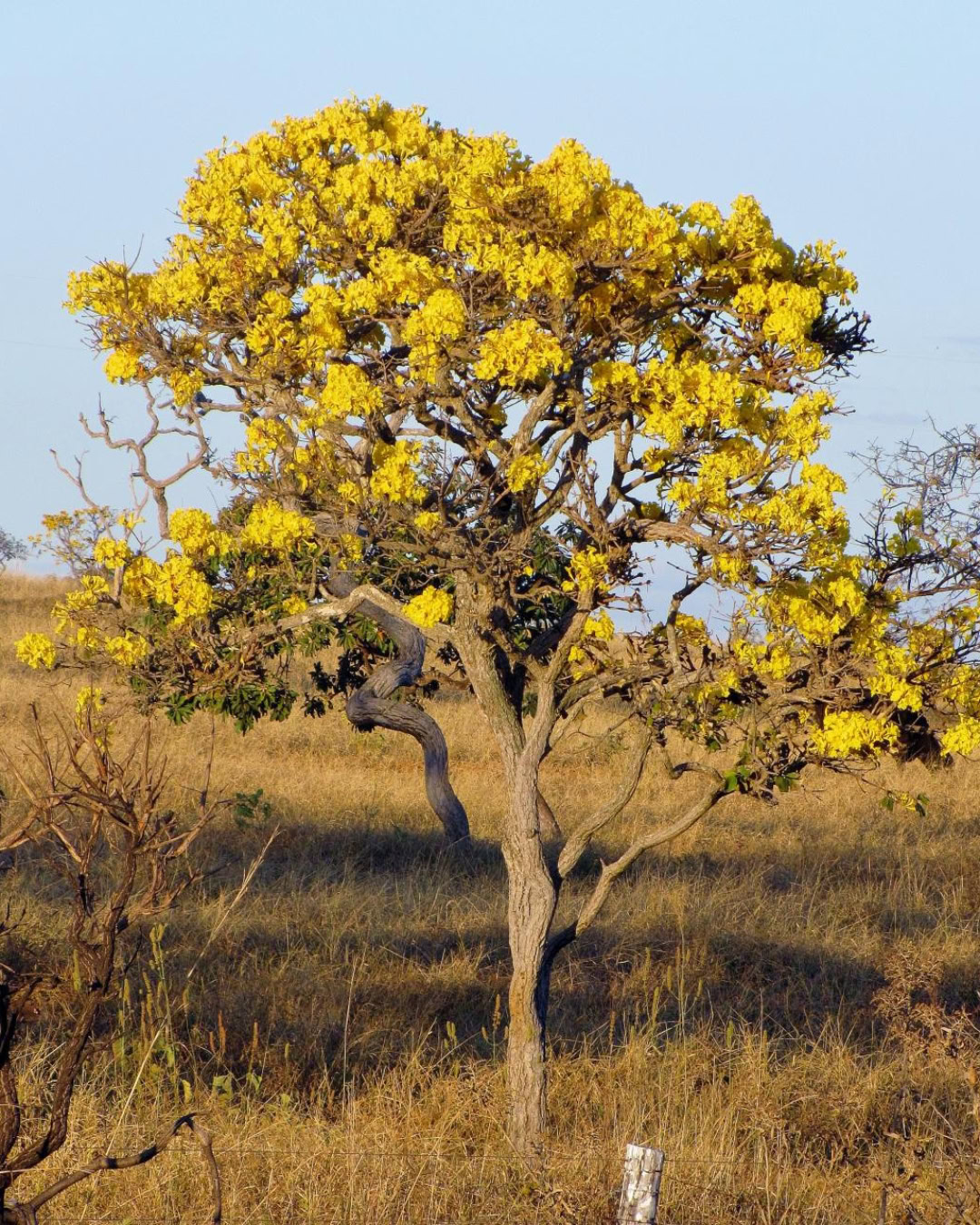
This yellow trumpet tree is pure drama in bloom, when bright yellow flowers cover part or all of the canopy while the tree is leafless. Size and form vary with growing conditions, so it performs best in gardens where the canopy has room to spread naturally. It wants full sun and well-drained soil. In areas with wet winters or frequent frost, it’s worth confirming that locally sourced plants are well adapted before you invest.
Silver trumpet tree (Tabebuia aurea)
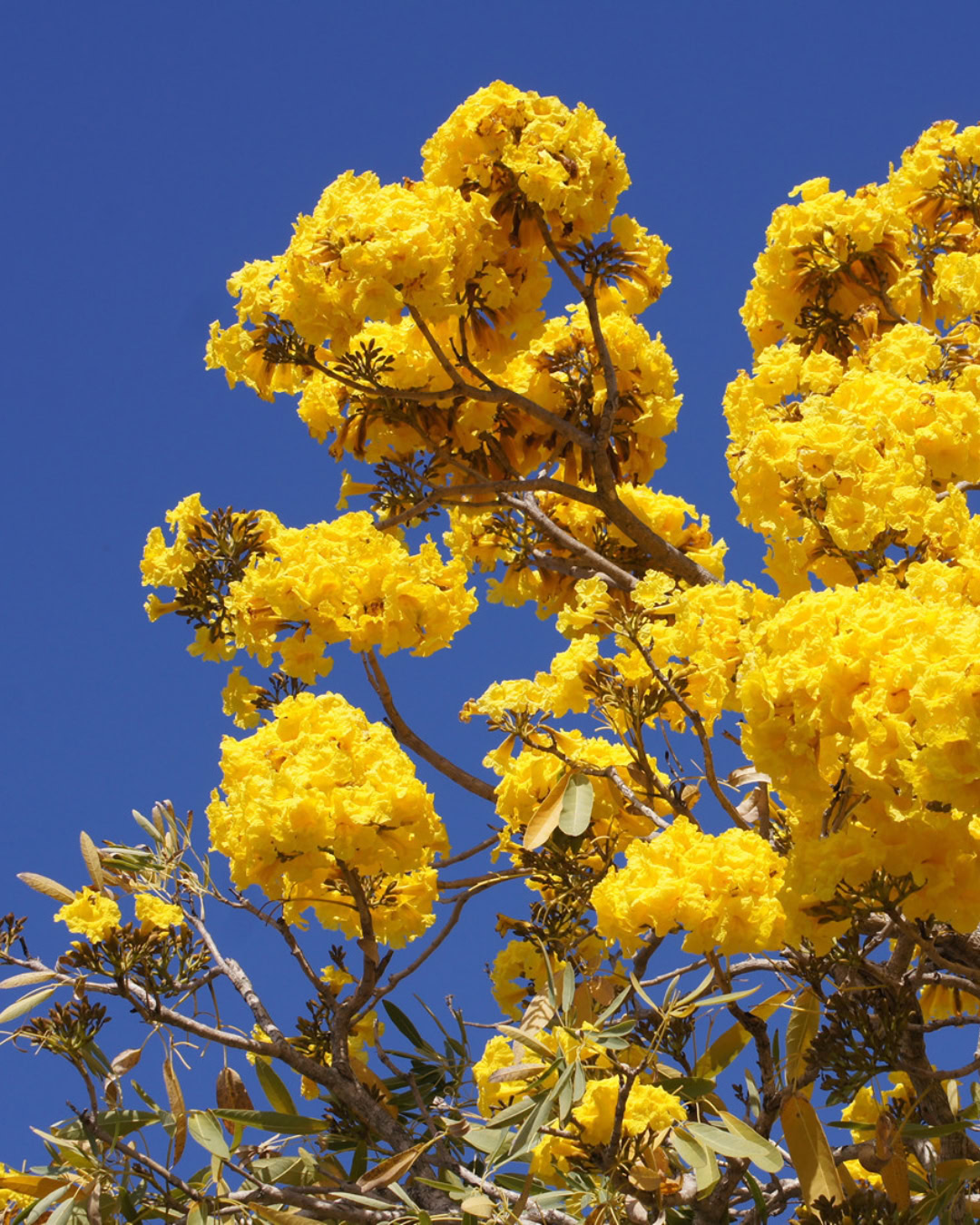
If you have a tough, dry, sun-baked spot, this is one of my top picks. Tabebuia aurea, also known in its native range as craibeira or paratudo, is one of the most drought-tolerant trumpet trees, with silvery green foliage and an intense yellow bloom. It handles poor, sandy soil without complaint, grows well in full sun, and stays medium-sized, which makes it versatile even in smaller urban gardens.
Pacari (Lafoensia pacari)
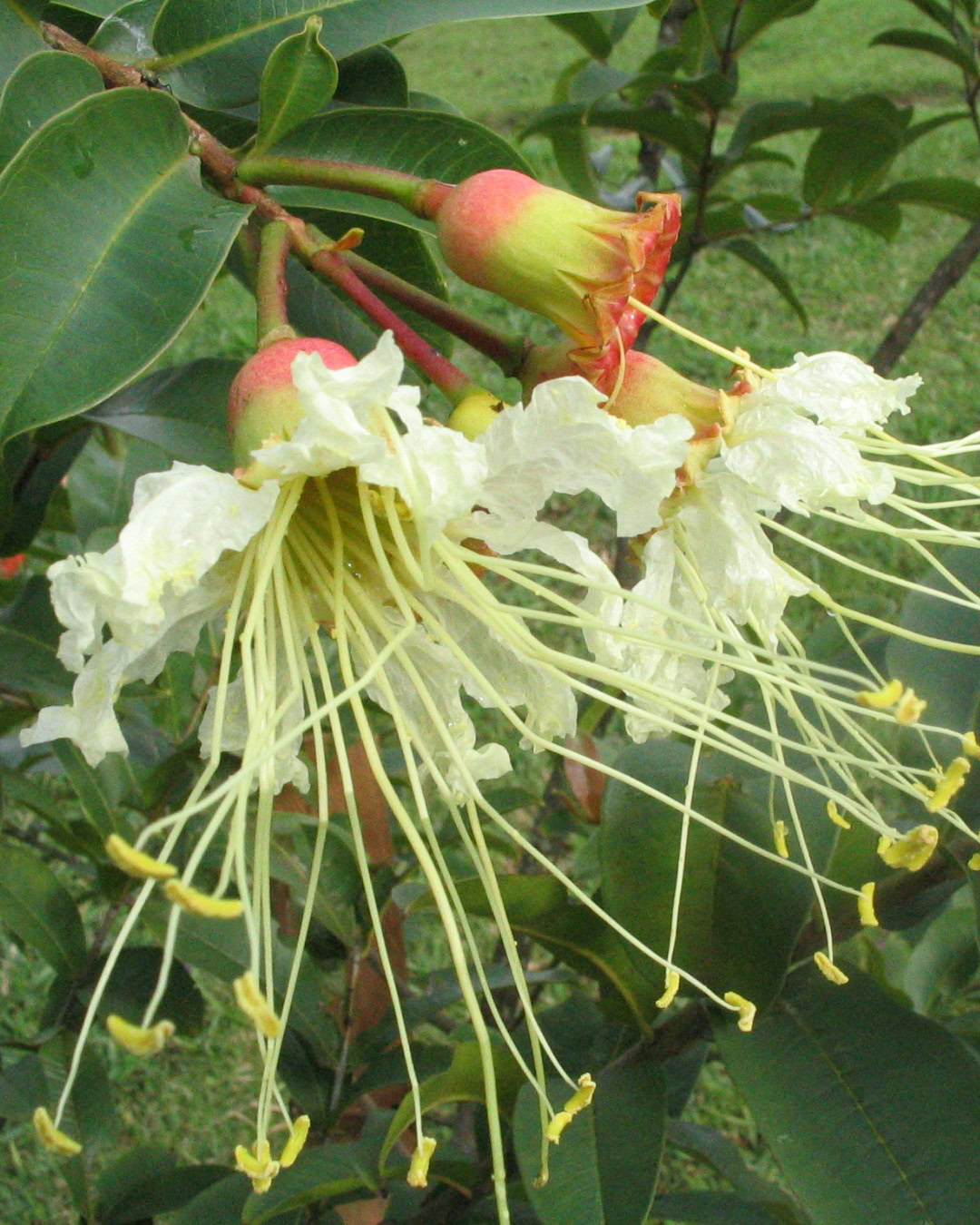
Pacari is a small to medium tree that I love recommending for gardeners who don’t have room for a baru tree. Its creamy flowers, packed with stamens, are heavily visited by hummingbirds and moths at dusk. It’s tough, drought-tolerant once established, and a good fit for average-size home landscapes. Full sun and well-drained soil are usually all it needs.
Cagaita (Eugenia dysenterica)
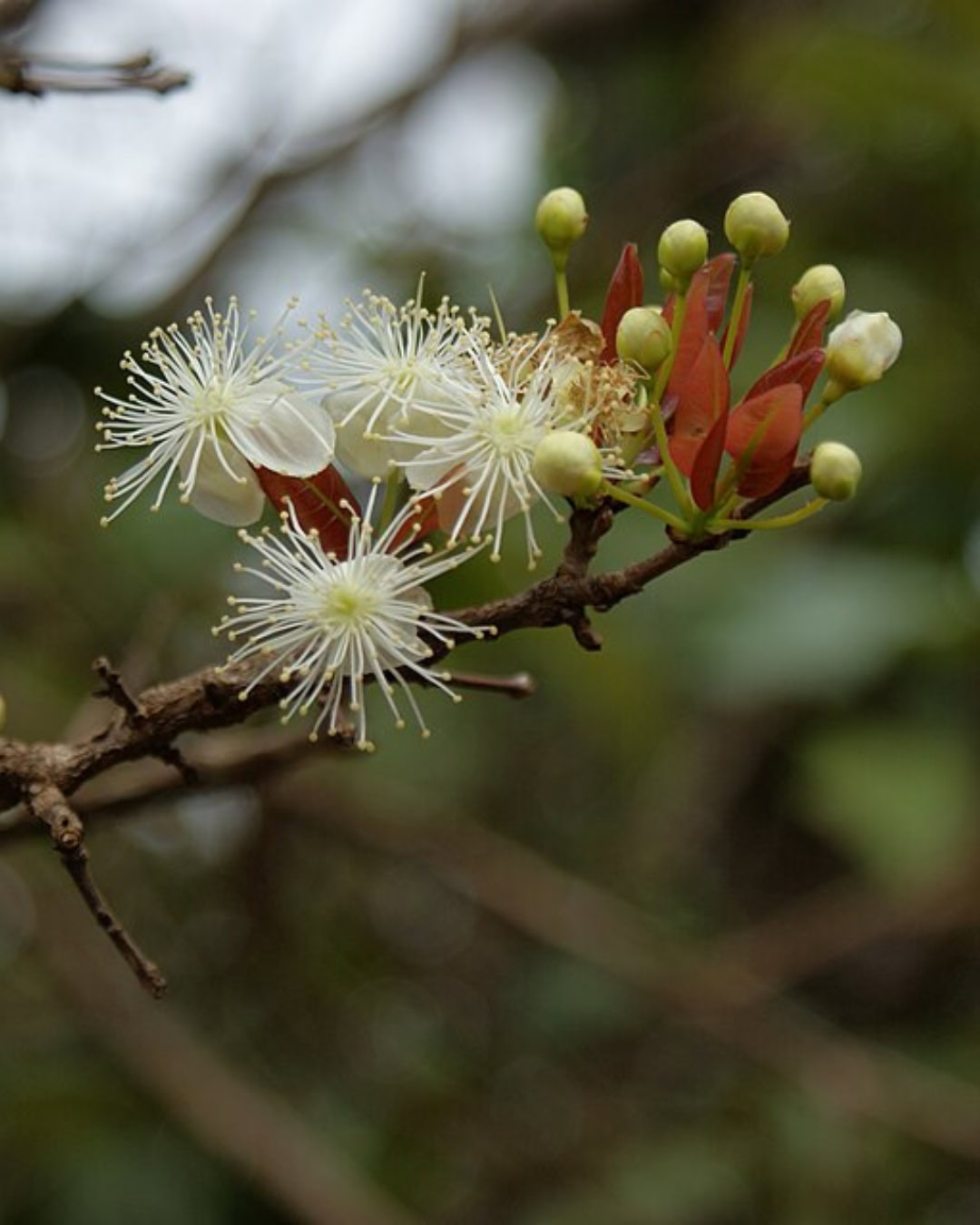
Cagaita is one of those trees that works beautifully in both roles, ornamental and edible: a rounded canopy, reddish new growth, white flowers, and yellow fruit. It can be the focal point of the garden or part of a small collection of native savanna plants and fruit trees. One practical warning: ripe fruit drops and can stain hardscape, so keep it away from sidewalks, driveways, and pool edges. Full sun and good drainage keep it happy.
Mangaba (Hancornia speciosa)
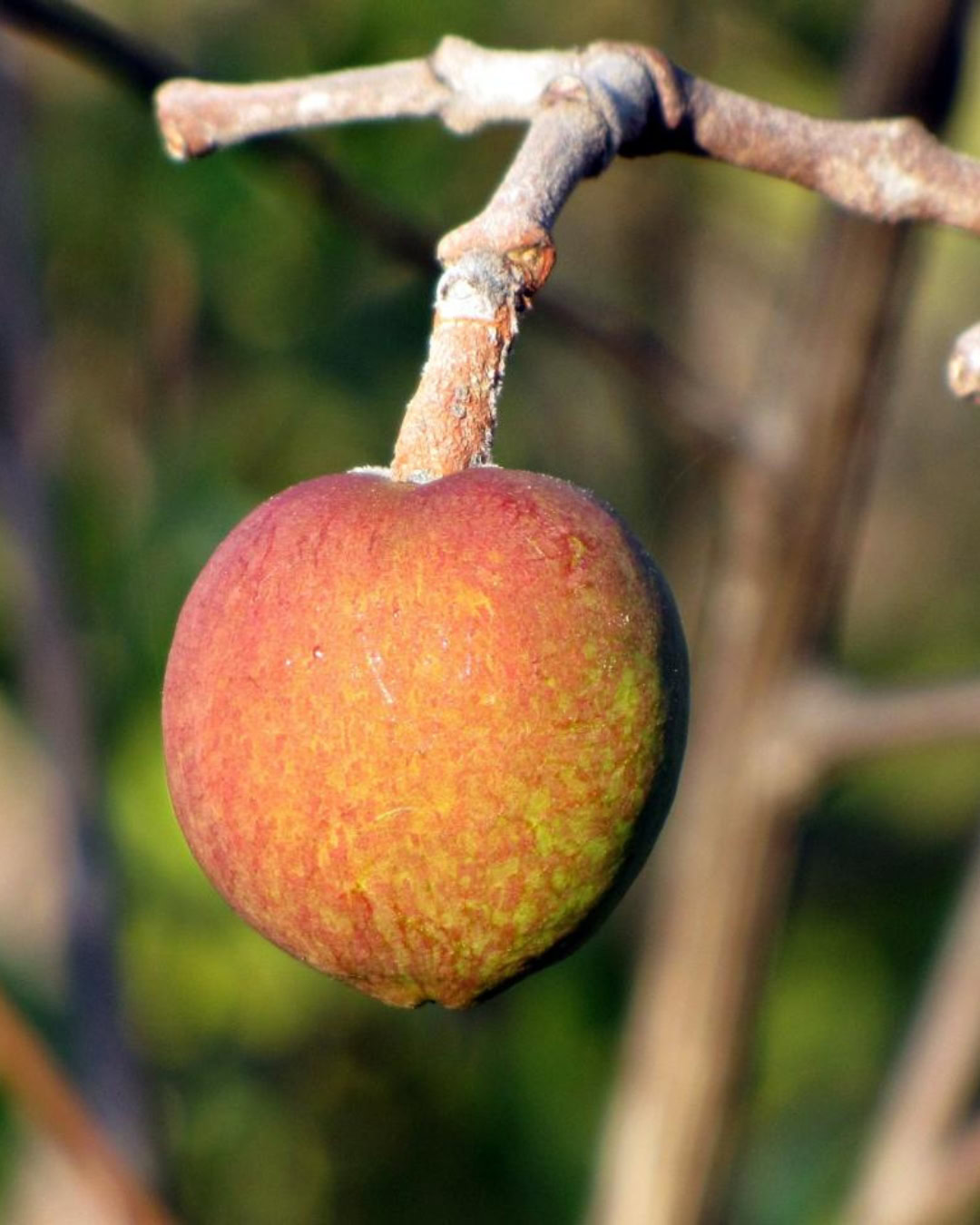
With its light, irregular canopy, mangaba produces pale, fragrant flowers followed by the well-known fruit. It’s excellent in edible landscapes and in naturalistic plantings, as long as it gets plenty of sun and enough room to grow. It does not forgive careless transplanting or constantly waterlogged soil. One more detail: damaged tissues release latex, which is worth keeping in mind in high-traffic areas and when pruning.
Cerrado araticum (Annona crassiflora)
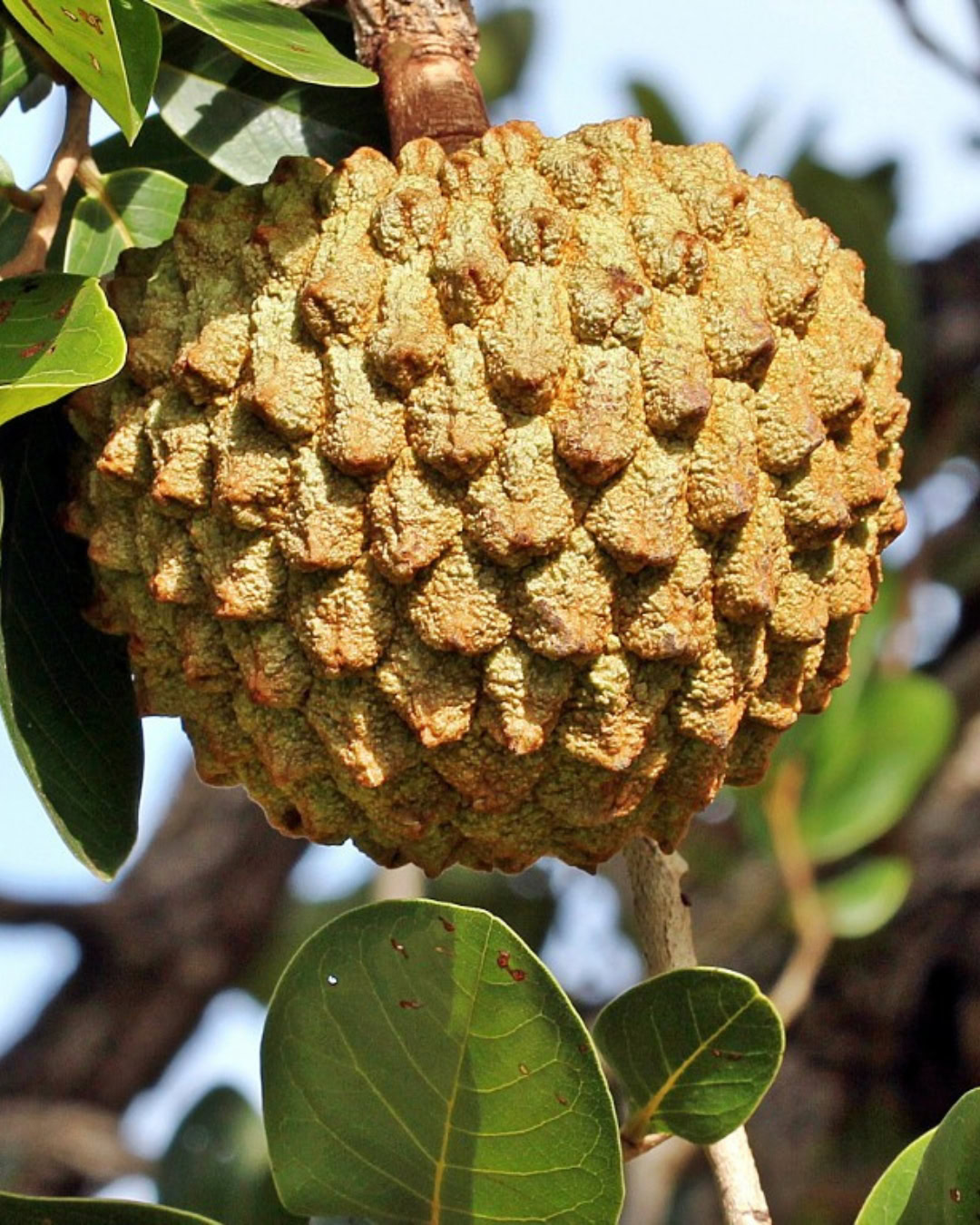
Known as marolo in parts of its native range, araticum is a fruit tree with strong regional character, but I’ll be honest with you: it can be stubborn. It transplants poorly, nursery stock can be hard to find, and early growth is slow. That’s why I reserve araticum for larger gardens, in full sun and deep soil, with the understanding that turfgrass can’t be allowed to smother the young plant in its first few years. For gardeners with patience and space, it rewards the effort with fruit that has a truly distinctive flavor.
Baru tree (Dipteryx alata)
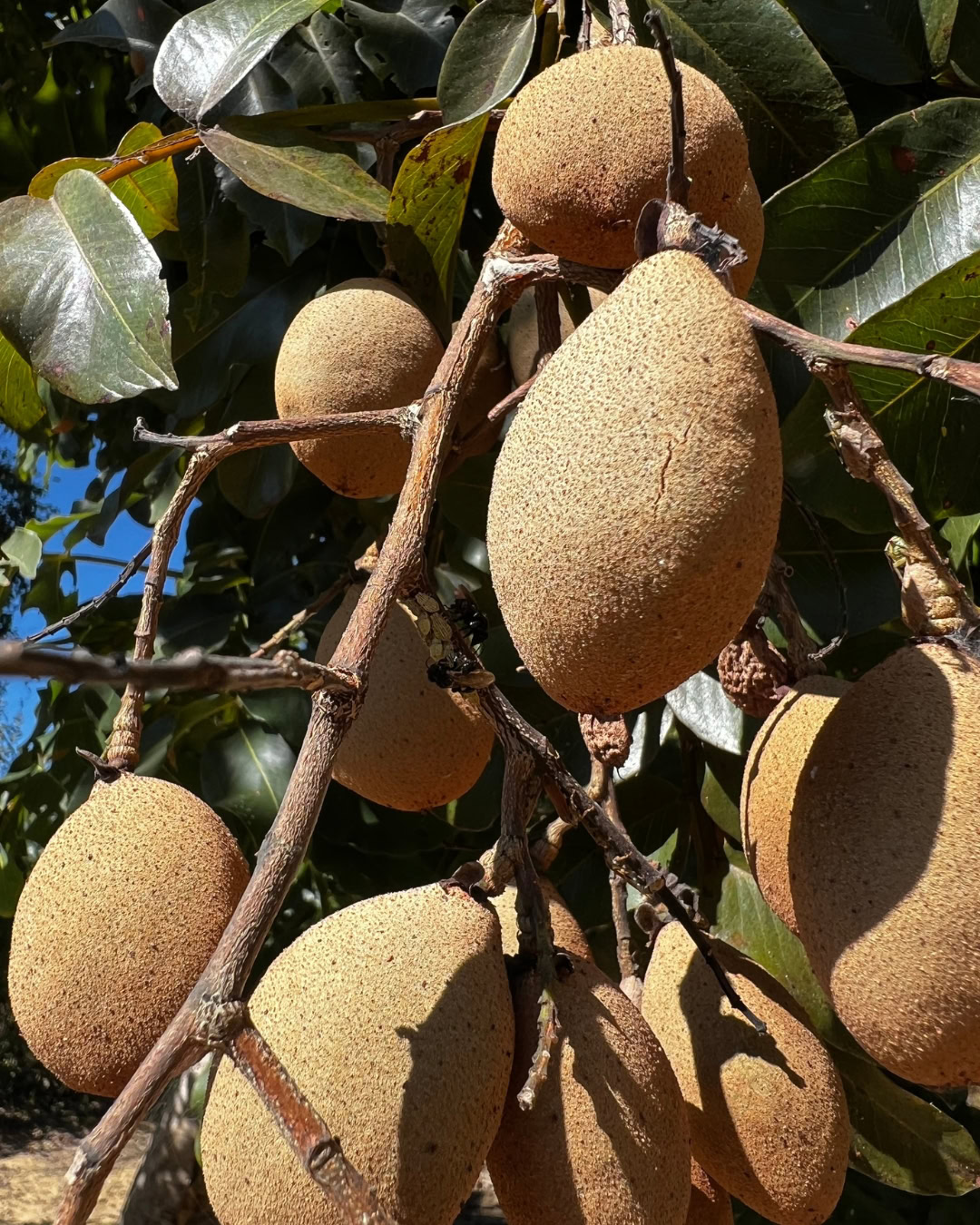
The baru tree, which produces the prized baru nut, is a larger tree with a broad canopy. It belongs in an acreage planting, park, public green space, or a truly large backyard—not a small urban garden. Given the right placement, it provides shade, food, and a feast for wildlife. Crammed between a wall and a roofline, even a great species becomes a bad design choice. Give it deep soil, permeable ground, and a generous setback from structures.
Pequi (Caryocar brasiliense)
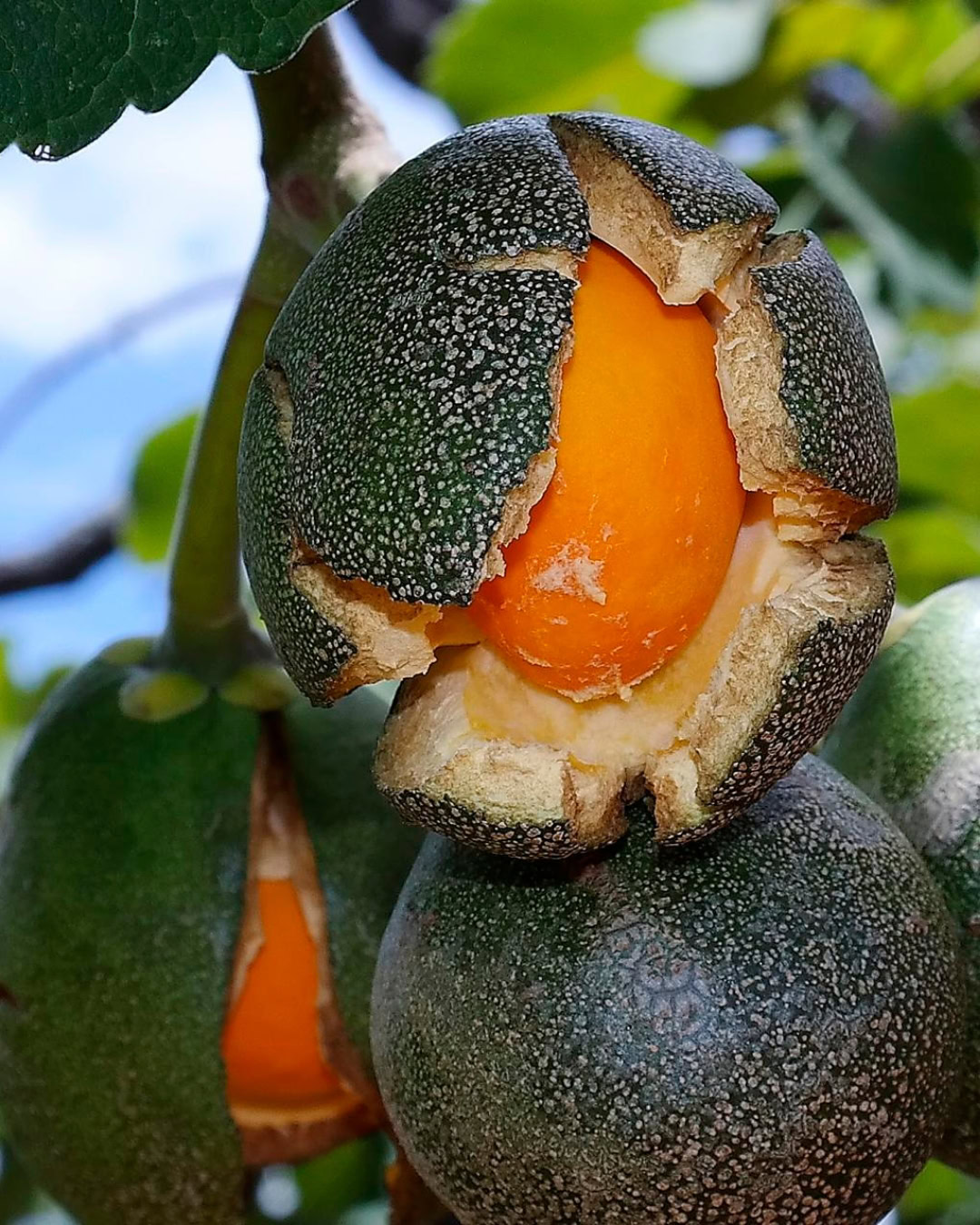
If there is one signature tree of the Cerrado and one of the most iconic native savanna plants, it’s pequi.
The bloom display is so striking that I’ve heard stories of people stopping on the street just to photograph a tree in full flower. It’s a large, slow-growing tree, so it’s best suited to spacious sites with full sun and well-drained soil. The fruit is a culinary treasure in central Brazil, but a word of caution before eating it: the pit has a layer of extremely fine spines just beneath the pulp, and one careless bite is all it takes to create a memorable story.
Cerrado jacaranda or carobinha (Jacaranda caroba)
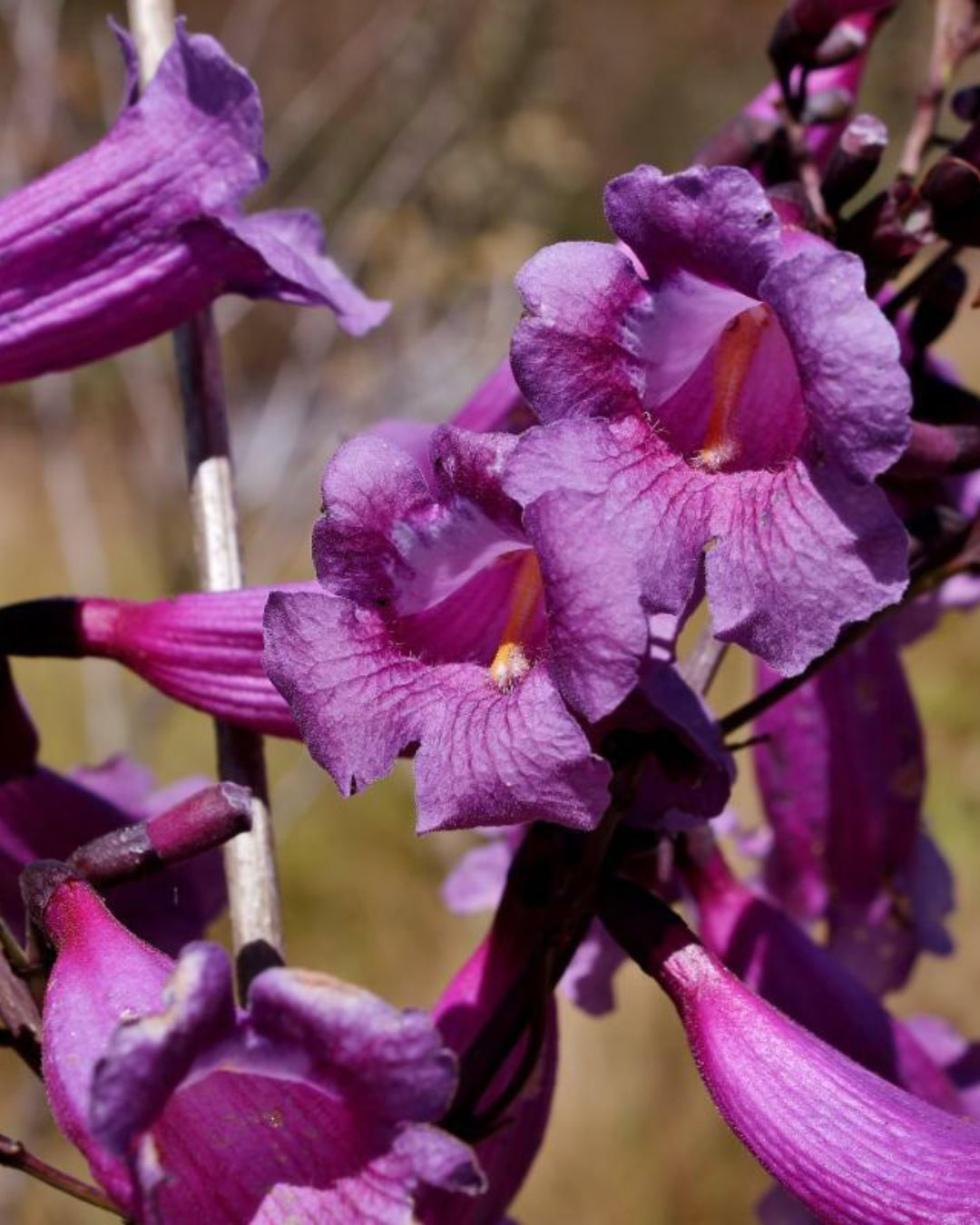
Smaller and more delicate than the jacarandas commonly planted as street trees, cerrado jacaranda has fine-textured foliage and blue-purple blooms that light up the garden. Its manageable size makes it a smart choice for medium-size landscapes looking for a flowering small native tree without the bulk of a massive canopy. Give it full sun and sharply drained soil, just what native savanna plants prefer.
Copaiba (Copaifera langsdorffii)
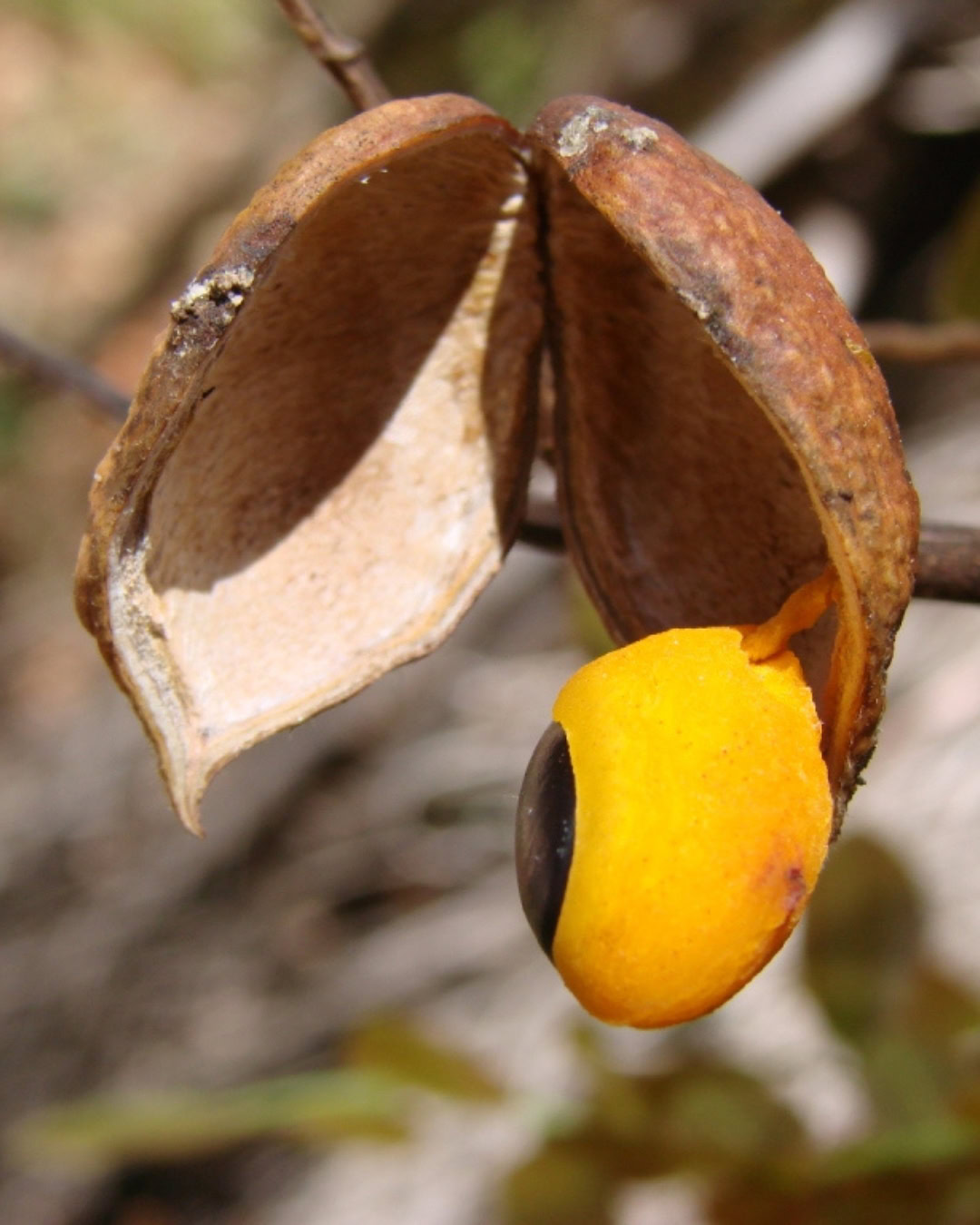
Copaiba, also called diesel tree, is one of the most widely used native trees in landscape planting, and for good reason: a dense crown, generous shade, toughness, and a long lifespan. It produces the well-known copaiba oil and supports plenty of wildlife. Since it eventually reaches a substantial size, give it the room it deserves and let it do what it does best—become that generous shade tree that practically begs for a bench underneath.
Native savanna palms
Palms bring vertical structure and an unmistakable silhouette to the garden, and they offer one practical advantage too: according to landscape designers who work with native species, they usually transplant well. Use one or just a few as visual anchors rather than lining them up like utility poles.
Guariroba (Syagrus oleracea)
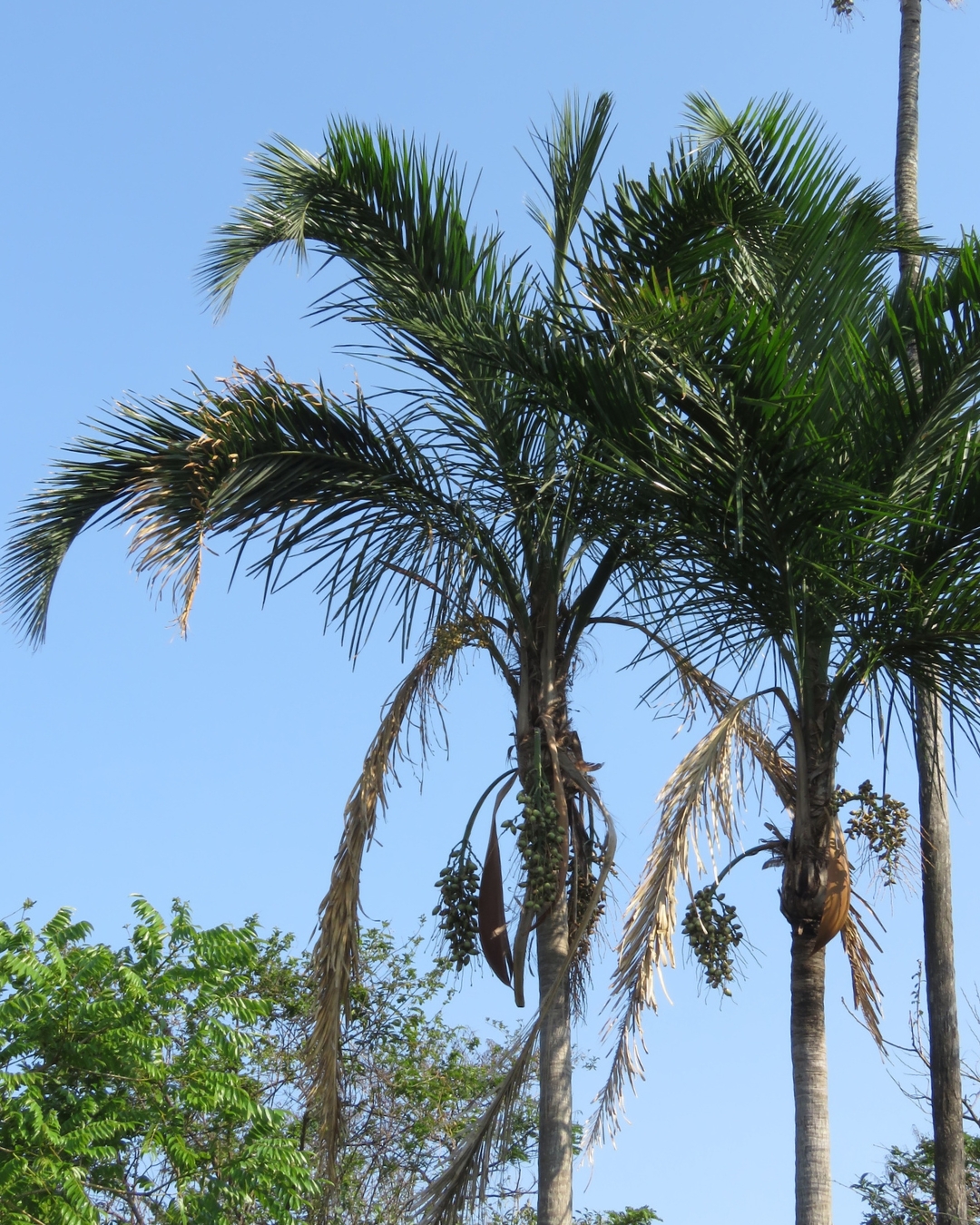
With its single, elegant trunk, guariroba is best known for its bitter palm heart, a staple ingredient in regional Brazilian cooking. In the landscape, it works as both an ornamental and an edible palm, thriving in full sun. It’s a beautiful way to bring a plant with deep cultural identity into the garden.
Coquinho-babão (Syagrus flexuosa)
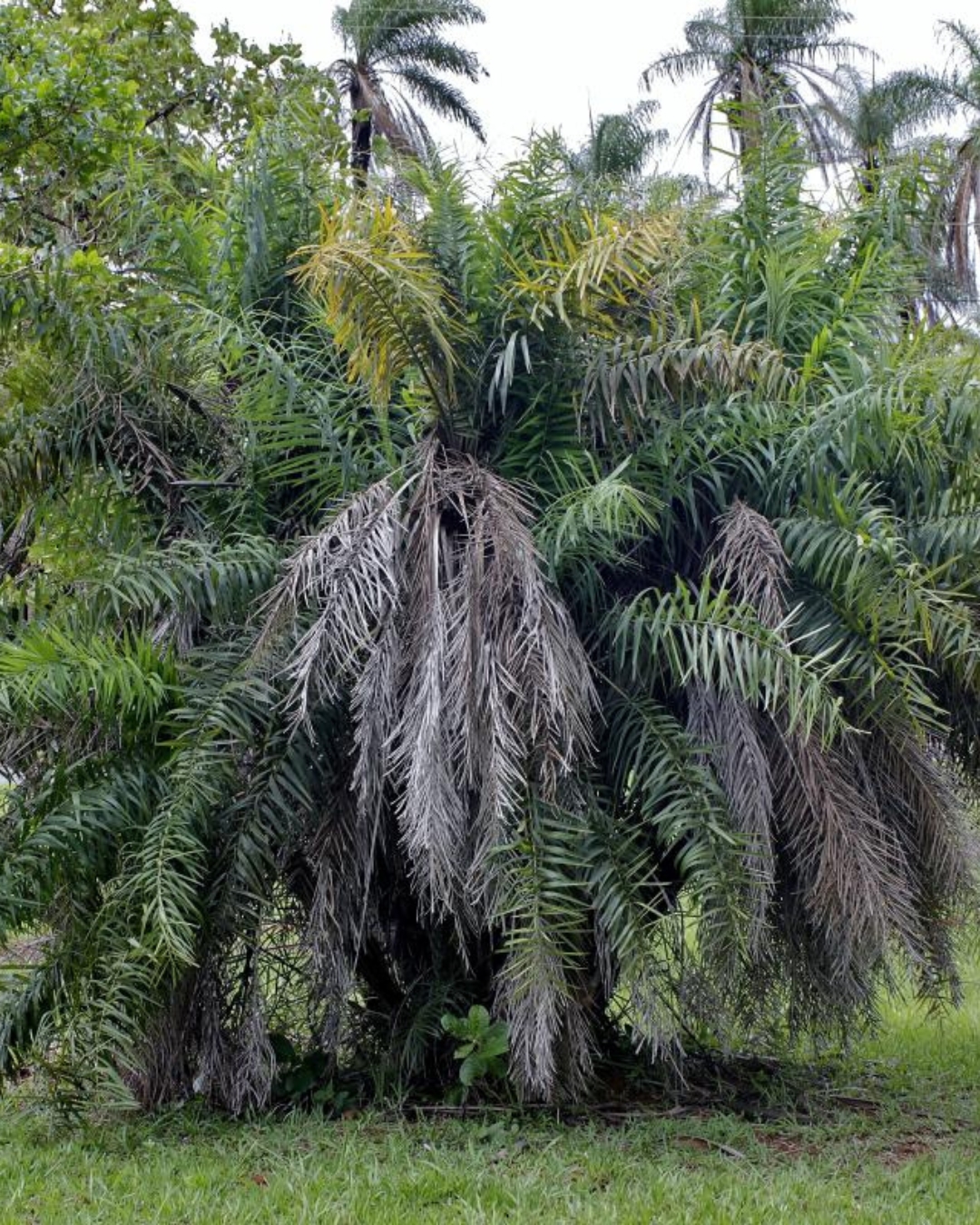
Smaller and often clump-forming, coquinho-babão is tough, loves full sun, and produces small fruits enjoyed by wildlife. Its restrained size and clustered habit make it especially effective in naturalistic plantings, woven among ornamental grasses and low shrubs.
Jelly palm (Butia capitata)
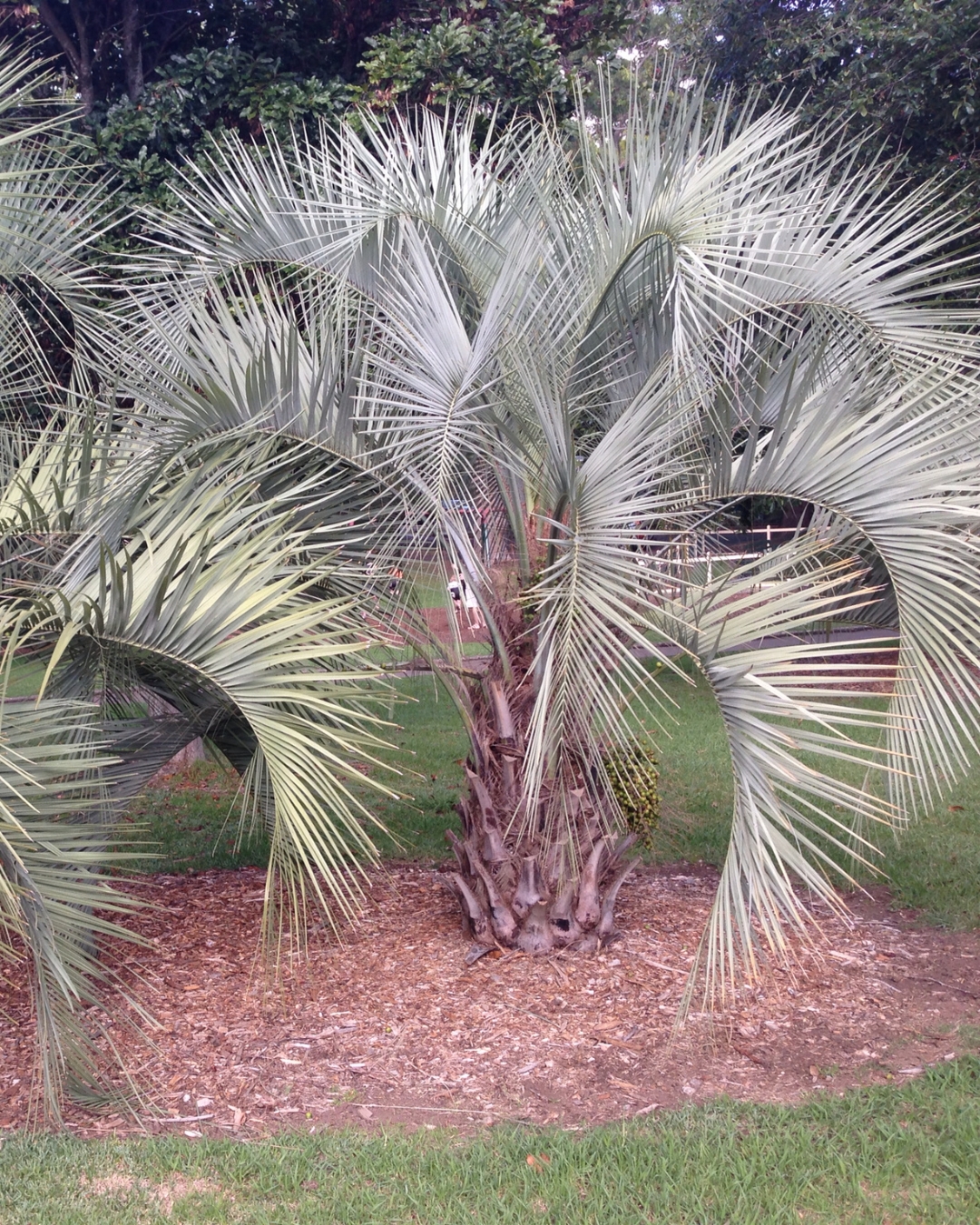
This one is a true gem with impeccable credentials: jelly palm is a palm endemic to the Cerrado savanna. It has a medium-size habit, gracefully arching gray-green leaves, and edible yellow fruit with a tart flavor, often used in juices and jams. It wants full sun and sandy, well-drained soil, exactly like the open savanna habitat it comes from.
Buriti palm (Mauritia flexuosa)
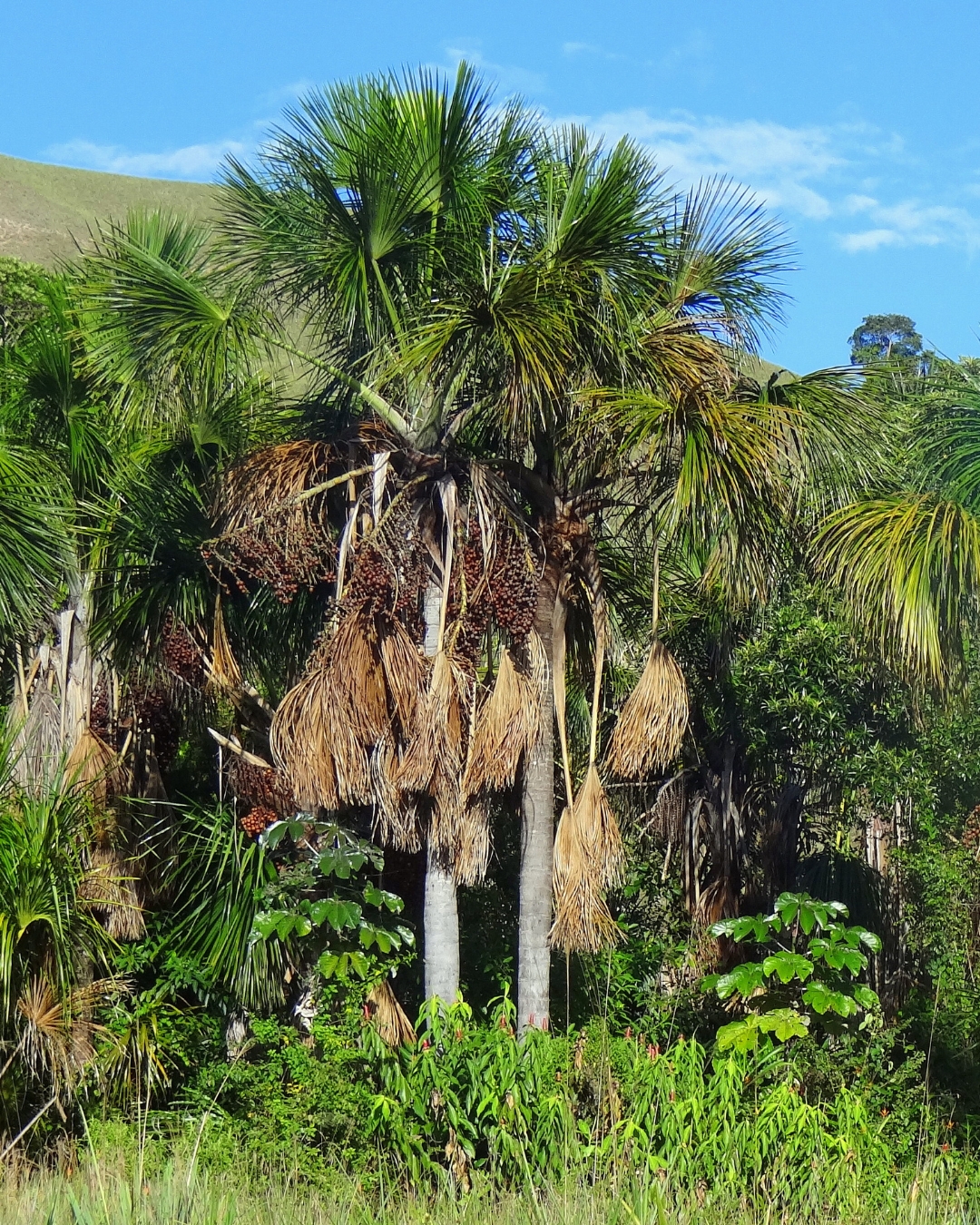
The buriti palm is the majesty of wet savannas, and that’s exactly where the one catch comes in: it depends on moist soil and a nearby water source. It’s not a palm for a dry planting bed. But if you have a low area, a pond edge, or a boggy section, this imposing palm can completely transform the space. It was also one of the few Cerrado plants that Roberto Burle Marx brought into some of his most famous garden designs.
Macaúba palm (Acrocomia aculeata)
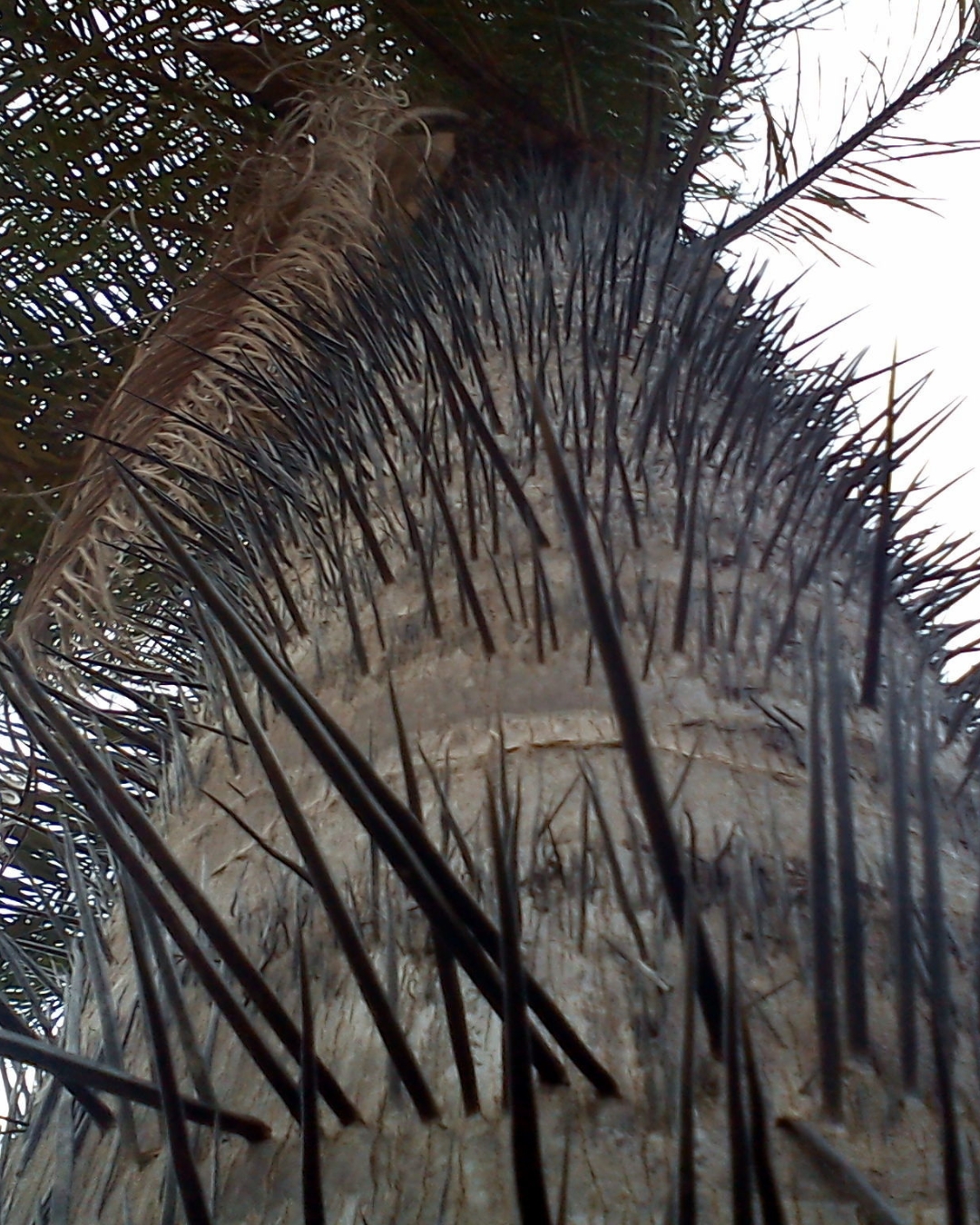
Robust and loaded with valuable fruit, the macaúba palm has a bold presence. The main caution is right there in the botanical name: aculeata means armed with spines, and the trunk really is spiny. For that reason, plant it away from walkways, narrow passages, and children’s play areas, reserving it for spacious, sunny sites where its beauty won’t become a hazard.
Indaiá (Attalea geraensis)
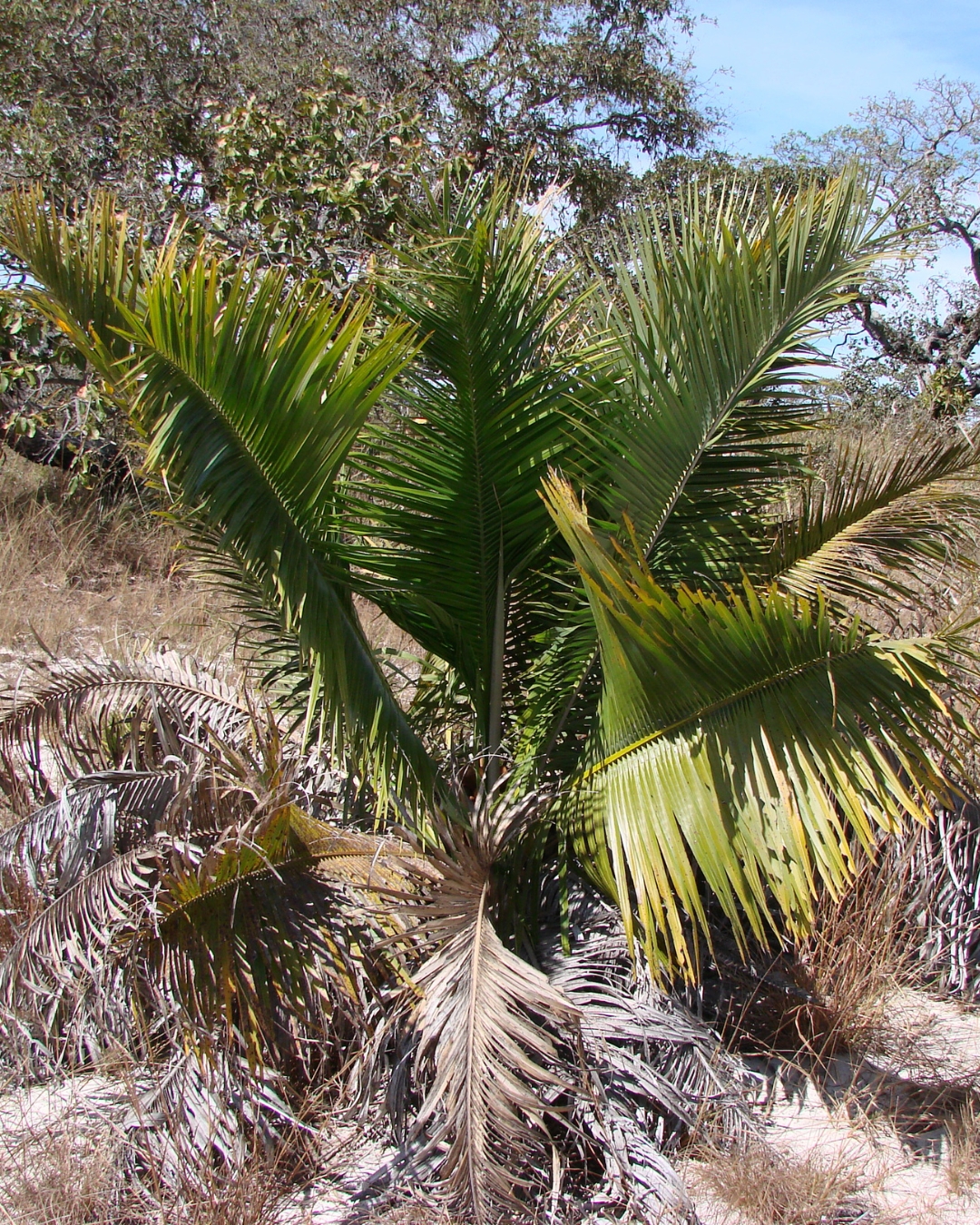
Indaiá is that almost trunkless palm, with large leaves emerging practically from ground level to create a sculptural, low-profile effect. It looks beautiful in masses and in plantings that echo open savanna, always in full sun. It’s a different way to use a palm—without the obvious vertical emphasis of the others, more like a sculptural shrub.
Cerrado shrubs
Shrubs are the bridge between the trees overhead and the carpet of grasses and herbaceous plants below. They form masses, divide garden spaces, and bring flowers and fruit up to eye level, which is where we really notice things.
Orelha-de-onça (Pleroma heteromallum)
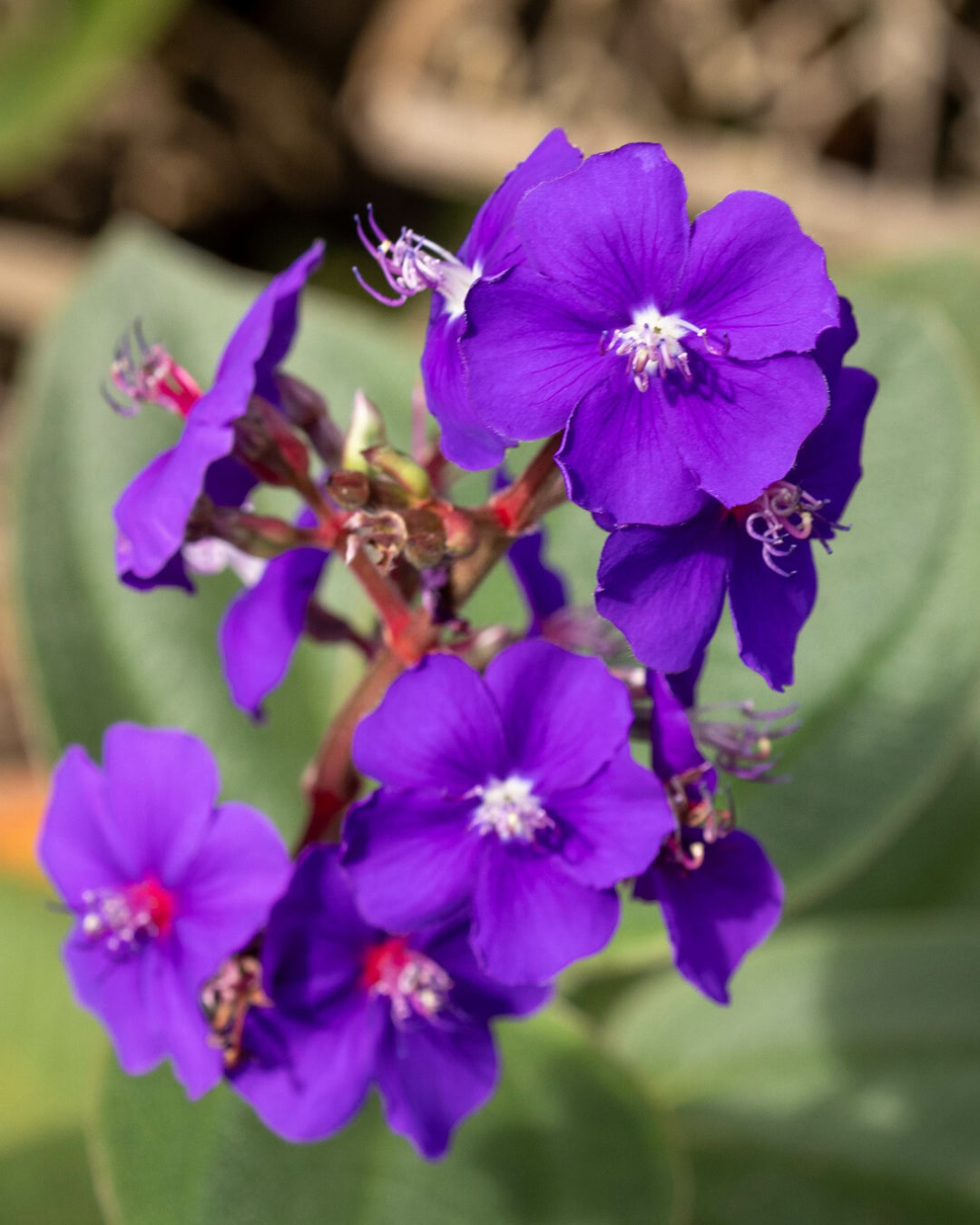
If I could recommend just one native shrub to start with, it would be this one. Orelha-de-onça is the ultimate adaptable native: silvery, velvety foliage, showy purple flowers, and a knack for being happy in almost any sunny bed. It’s also one of the few shrubby native savanna plants you can find with relative ease at specialty nurseries, which already solves half the garden.
Pink powderpuff (Calliandra brevipes)
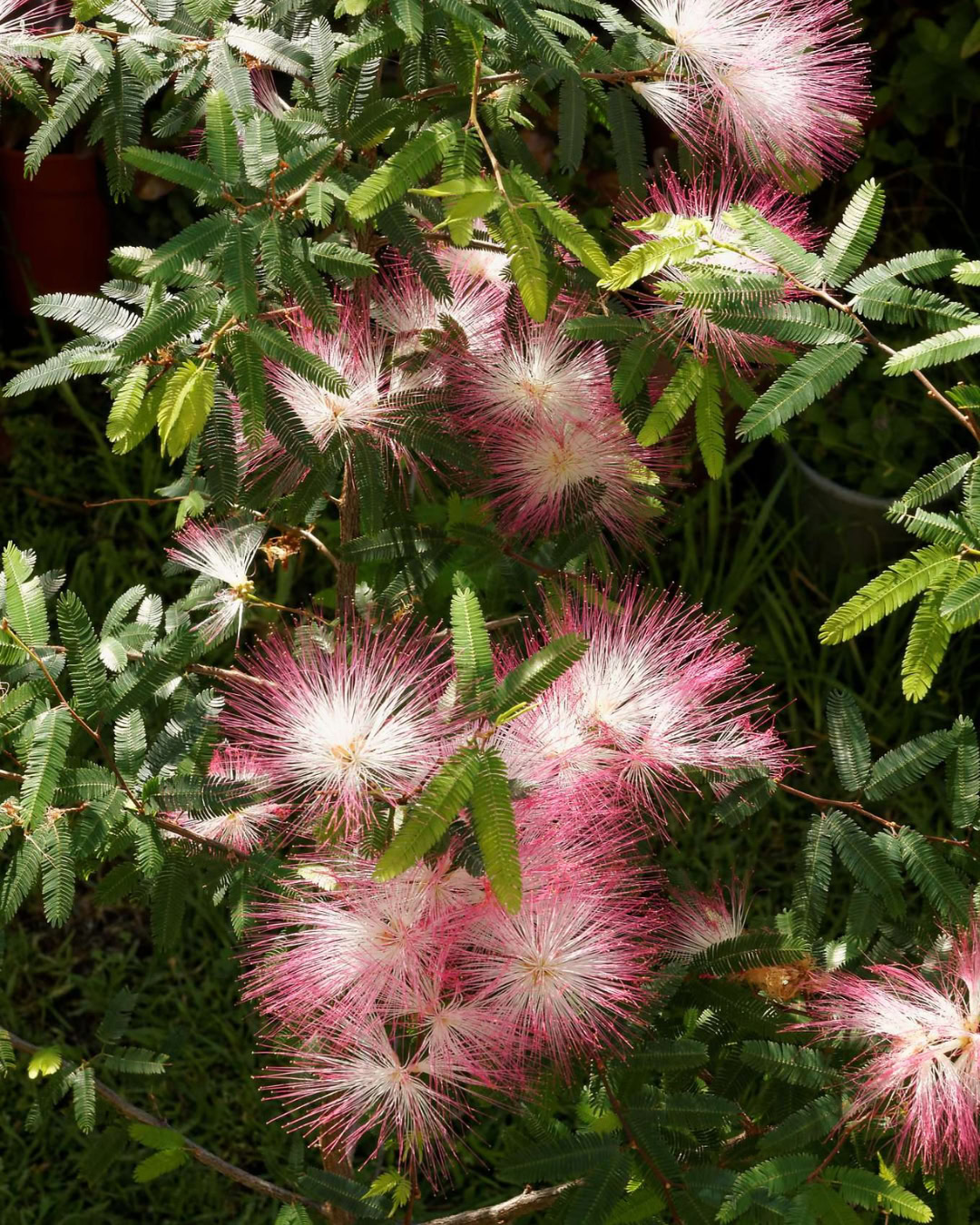
The rosy little powder-puff stamens floating over fine-textured foliage are what make pink powderpuff so appealing, and it’s also easy to find in the nursery trade. Here’s a purist’s footnote: it really belongs more to the southern grasslands than to the Cerrado proper. Still, it’s a Brazilian native, it attracts pollinators, and it blends so naturally into sunny native savanna plantings that I’m happy to make the exception.
Thryallis (Galphimia brasiliensis)
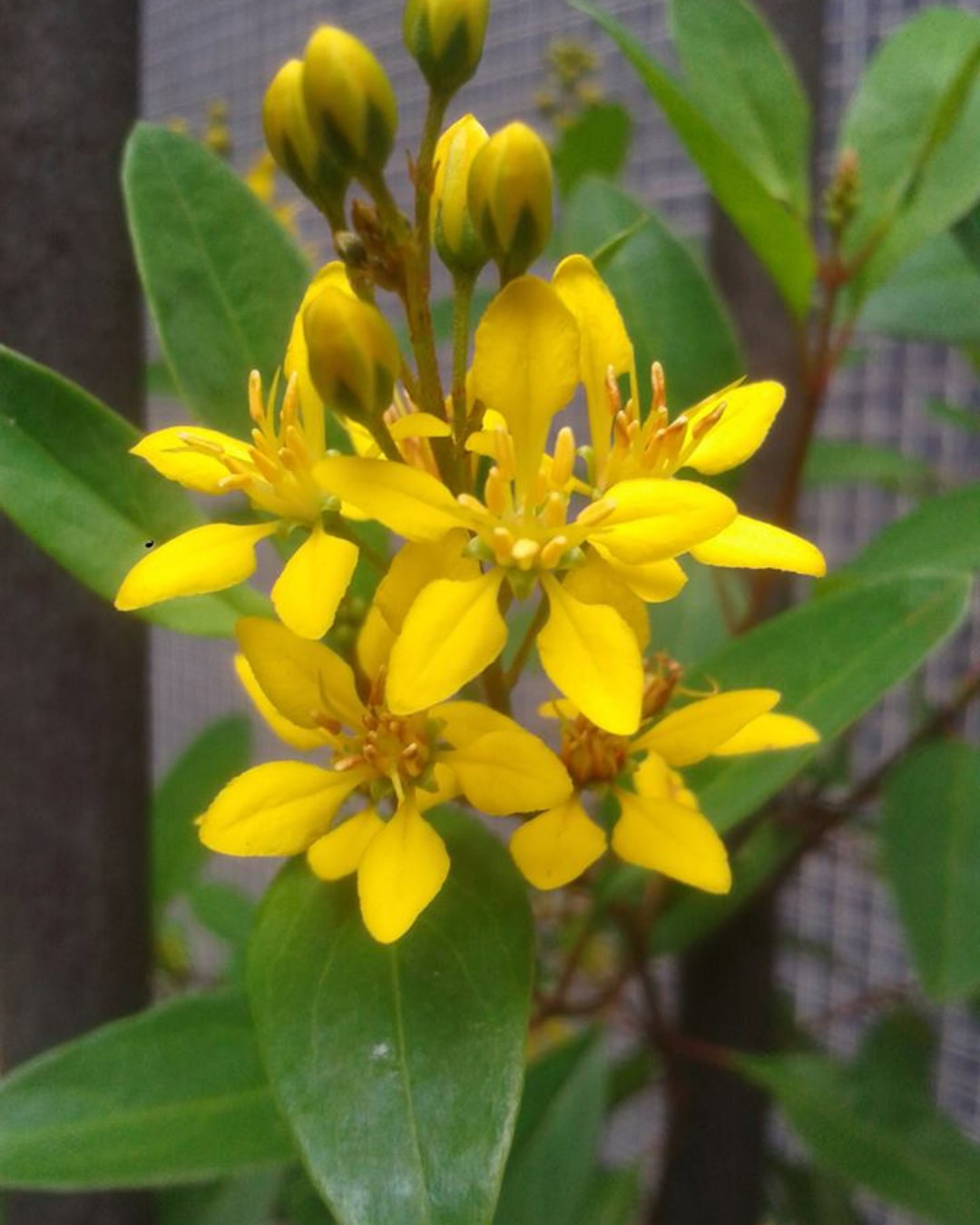
Thryallis forms a shrub covered in cheerful yellow flower clusters over a long bloom season. One important buying tip: the “thryallis” most commonly sold in nurseries is the Mexican species (Galphimia gracilis), not the native one. If your goal is to use true native savanna plants, ask for the scientific name Galphimia brasiliensis and verify the source, or you may come home with the exotic species by mistake.
Cerrado allamanda (Allamanda puberula)
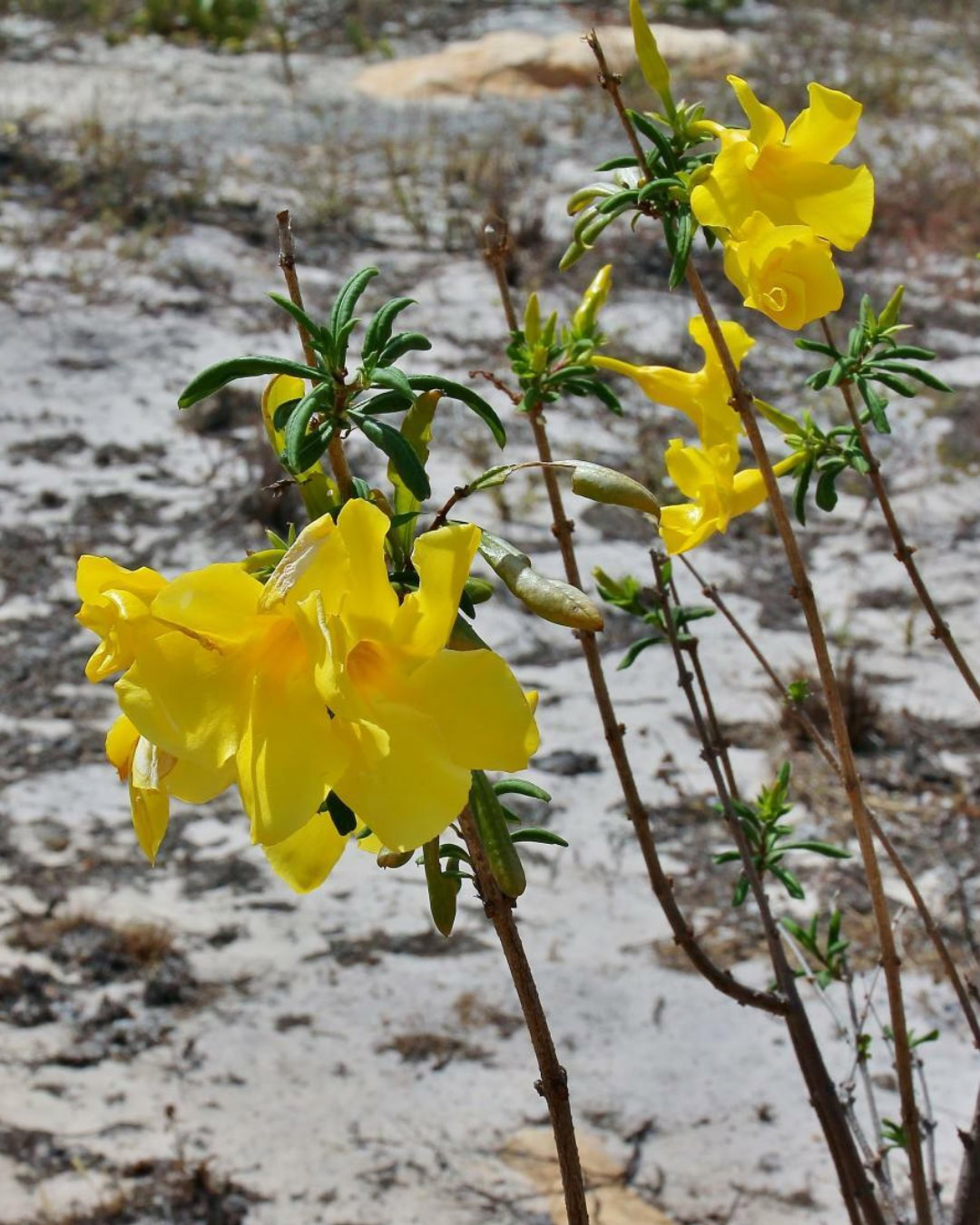
With yellow trumpet-shaped flowers, Cerrado allamanda is a charming native, though still hard to find in the trade. The same caution as with thryallis applies here: don’t confuse it with the exotic golden trumpet vine (Allamanda cathartica), the bright yellow climber that dominates many nurseries. This native is a different plant altogether—more restrained and better suited to native savanna plant combinations.
Bate-caixa (Palicourea rigida)
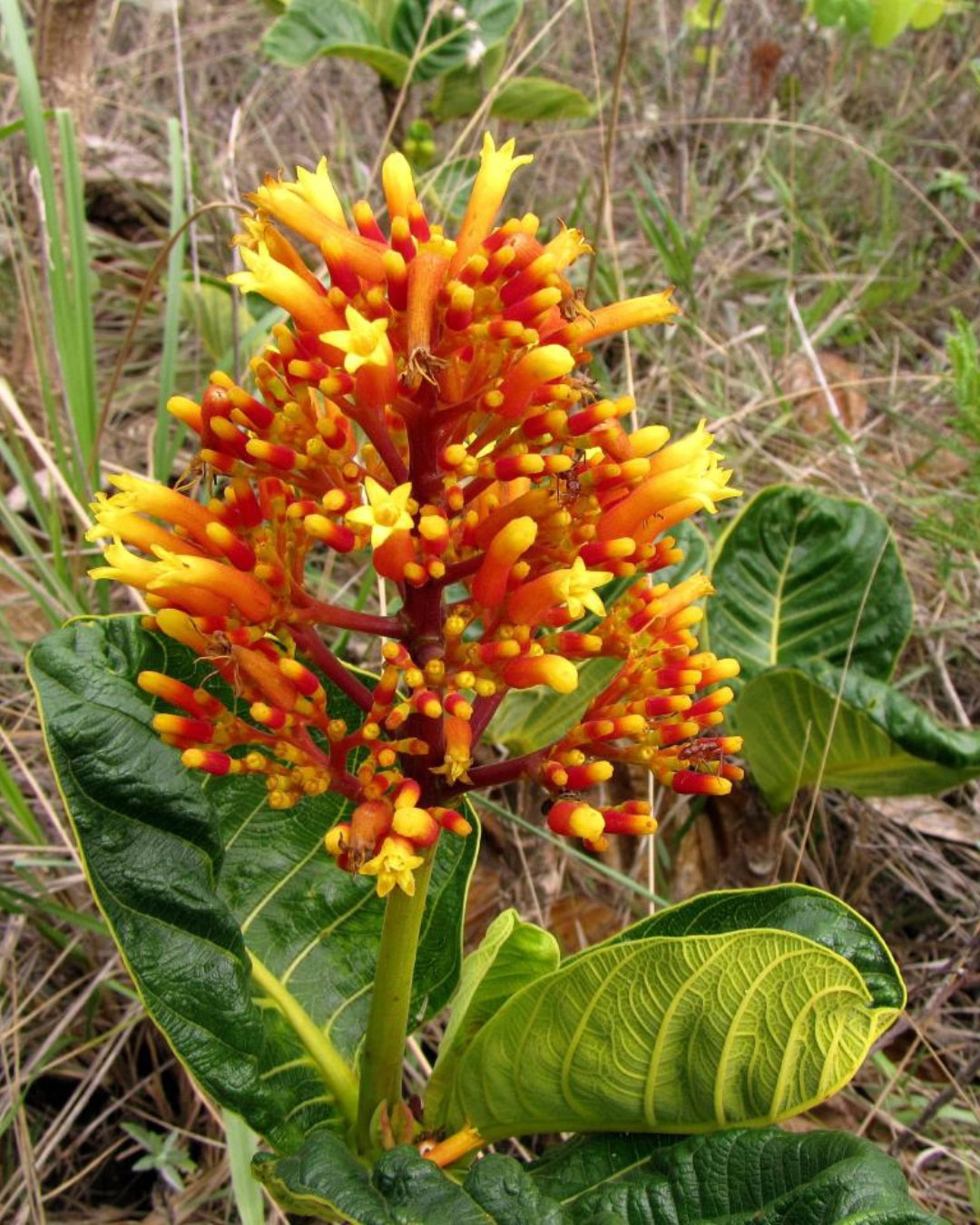
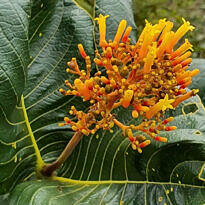
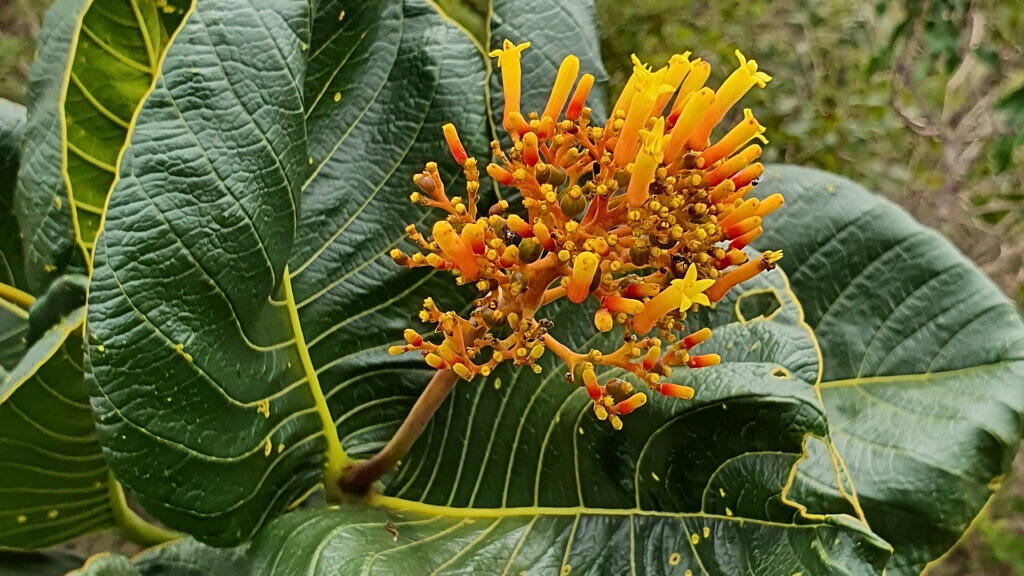
Few plants look as authentically savanna-like as bate-caixa, with its stiff leaves and upright orange flower clusters held like small candles. It’s genuinely ornamental, but availability is still limited, so it’s worth seeking out a grower that specializes in native flora. It wants full sun and rewards you with a presence no exotic shrub can really duplicate.
Lobeira (Solanum lycocarpum)
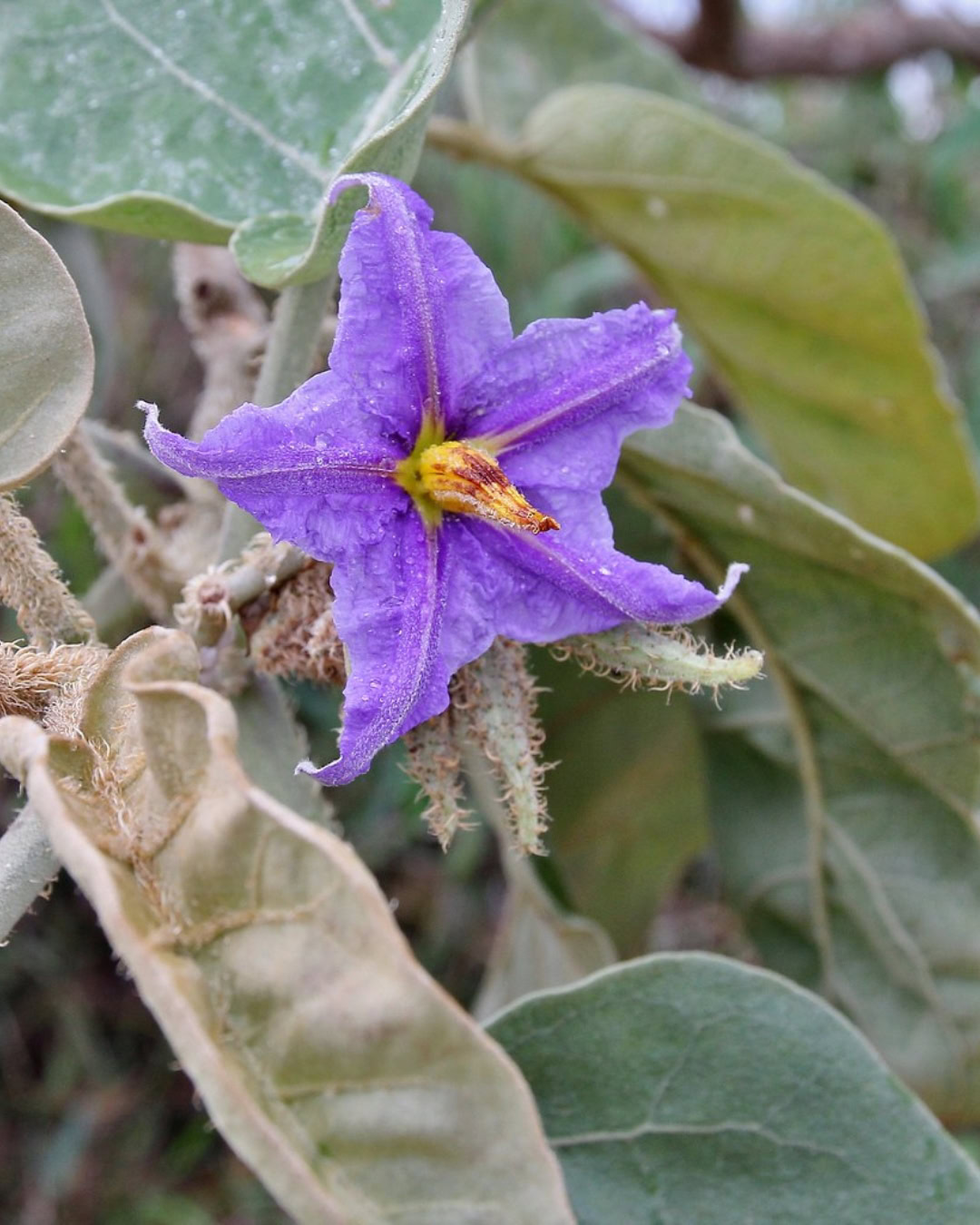
Lobeira has large grayish leaves, purple-toned flowers, and fruits that play an important ecological role for the maned wolf, the animal that gave the plant its name. It’s a bold species, usually armed with prickles, and it needs room to grow without constant pruning. That makes it ideal for larger spaces and wilder-looking gardens, but it is not a good choice for narrow walkways or beds used by children and pets, and the fruits are not something to snack on casually.
Canela-de-ema (Vellozia squamata)
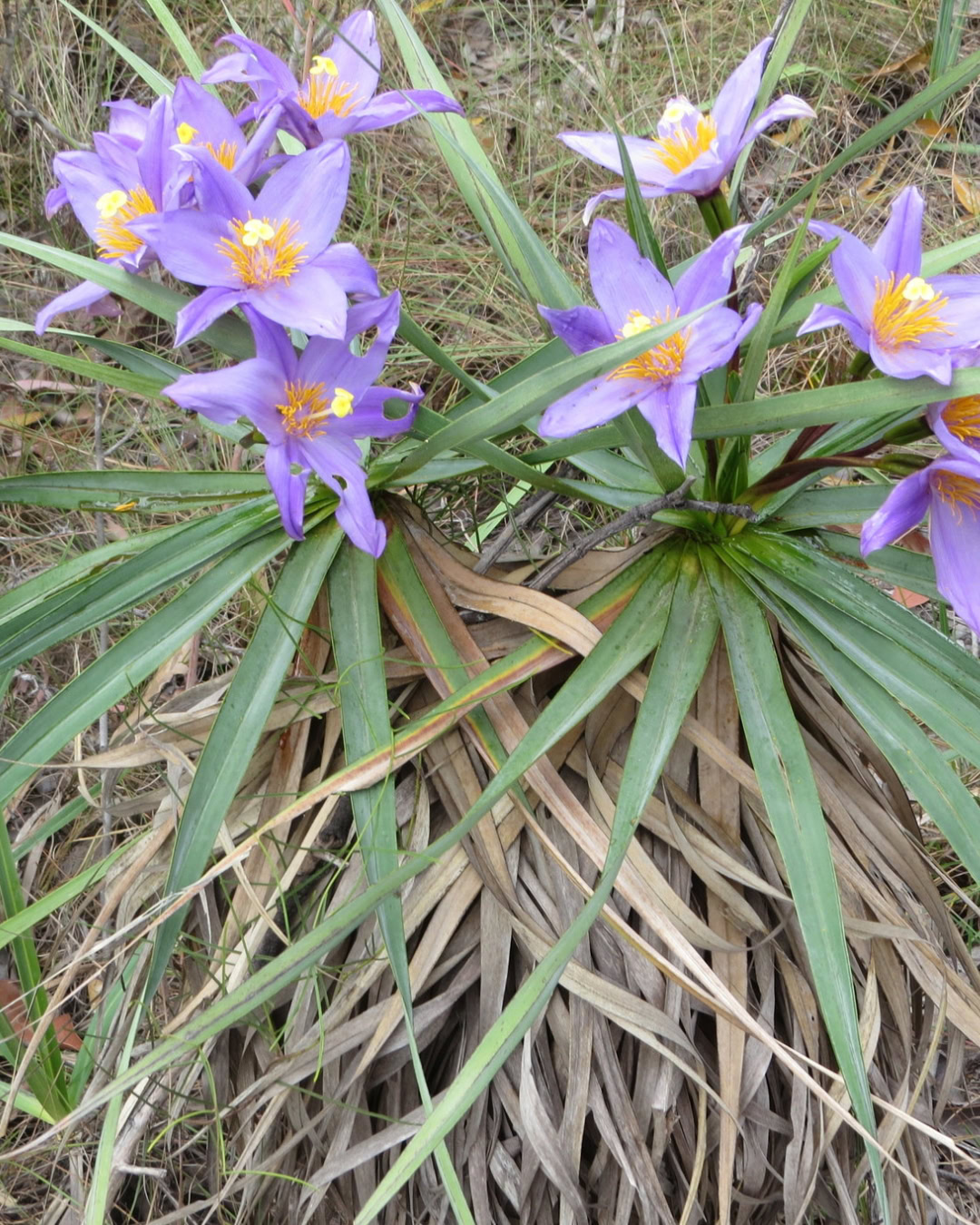
Canela-de-ema, Vellozia squamata, rounds out this group with sculptural form. Rather than repeating it all through a bed, use one or just a few plants as visual anchors, then build around them with a matrix of low grasses, gravel, and flowering companions. That approach highlights the species’ architecture without making the garden feel like a collection of disconnected specimens.
Groundcovers, edging plants, and herbaceous species
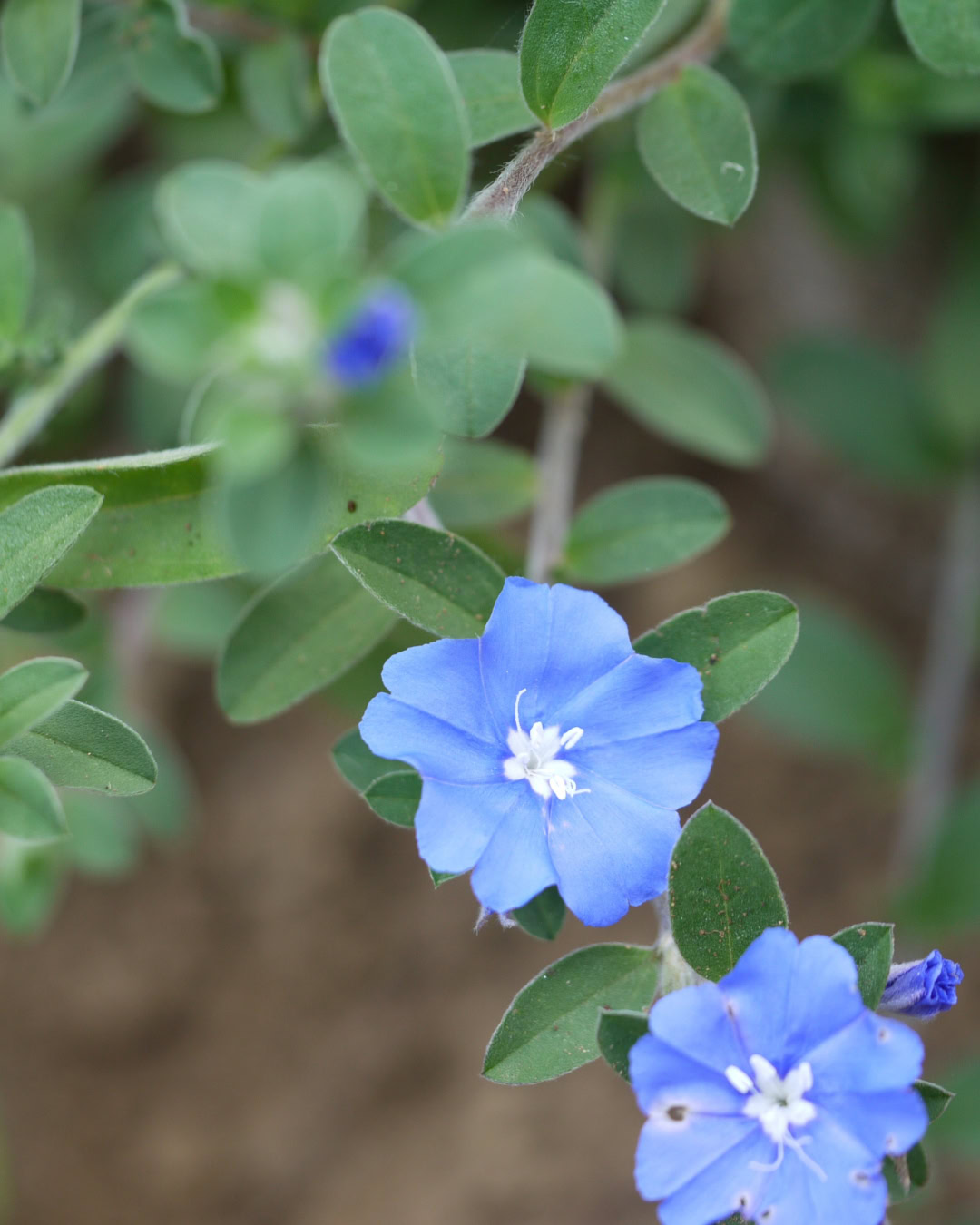
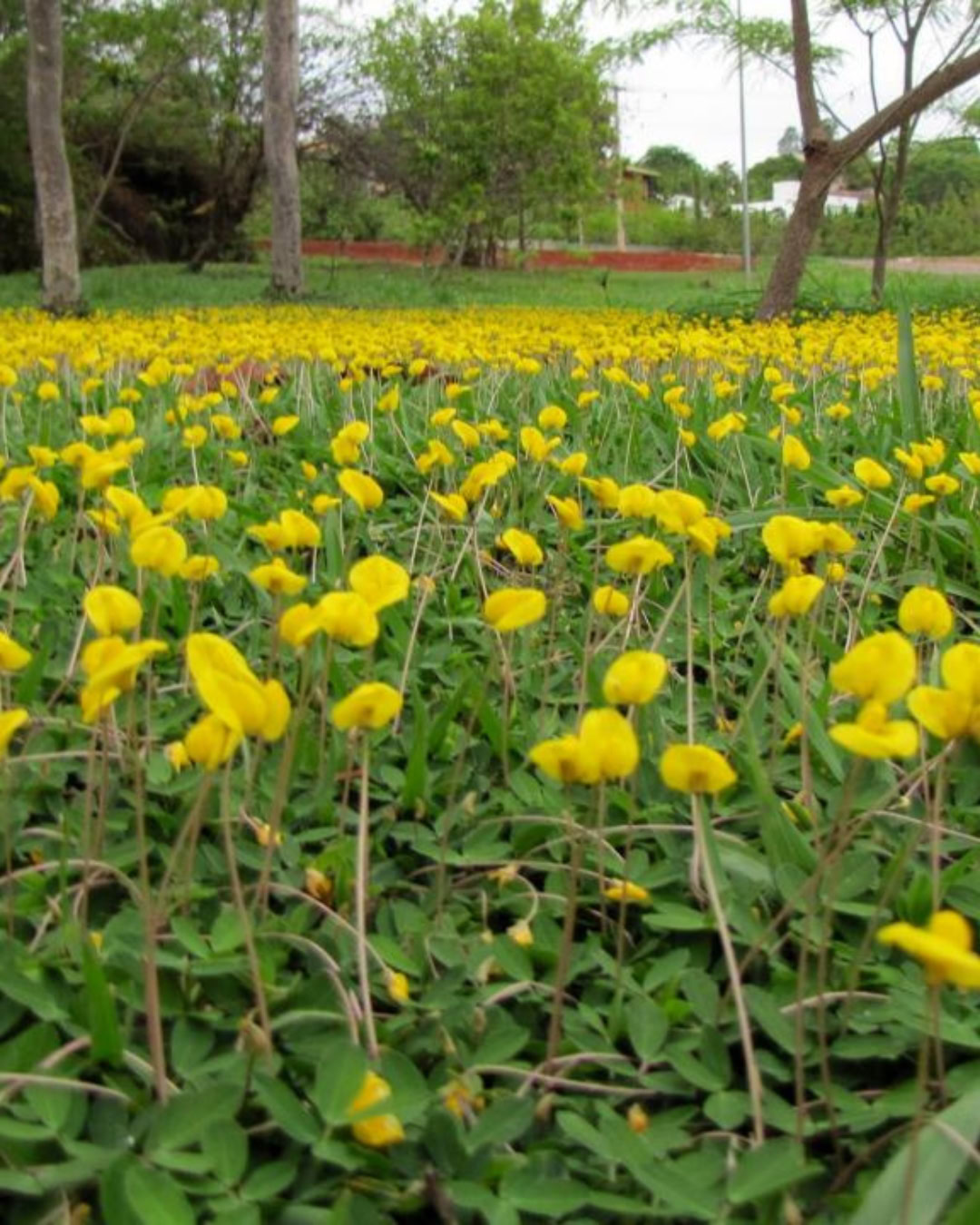
Now it’s time to cover the ground and define the edges, and a few native plants make that easy with very little maintenance. The standout is blue daze (Evolvulus glomeratus), a trailing groundcover with tiny blue flowers and white centers that blooms almost year-round in full sun—perfect for mass plantings, borders, and containers. For covering larger areas with a green carpet while also helping hold soil in place, perennial peanut (Arachis repens) is a useful, durable native. It’s more functional than showy, but incredibly helpful on slopes and in broad planting beds.
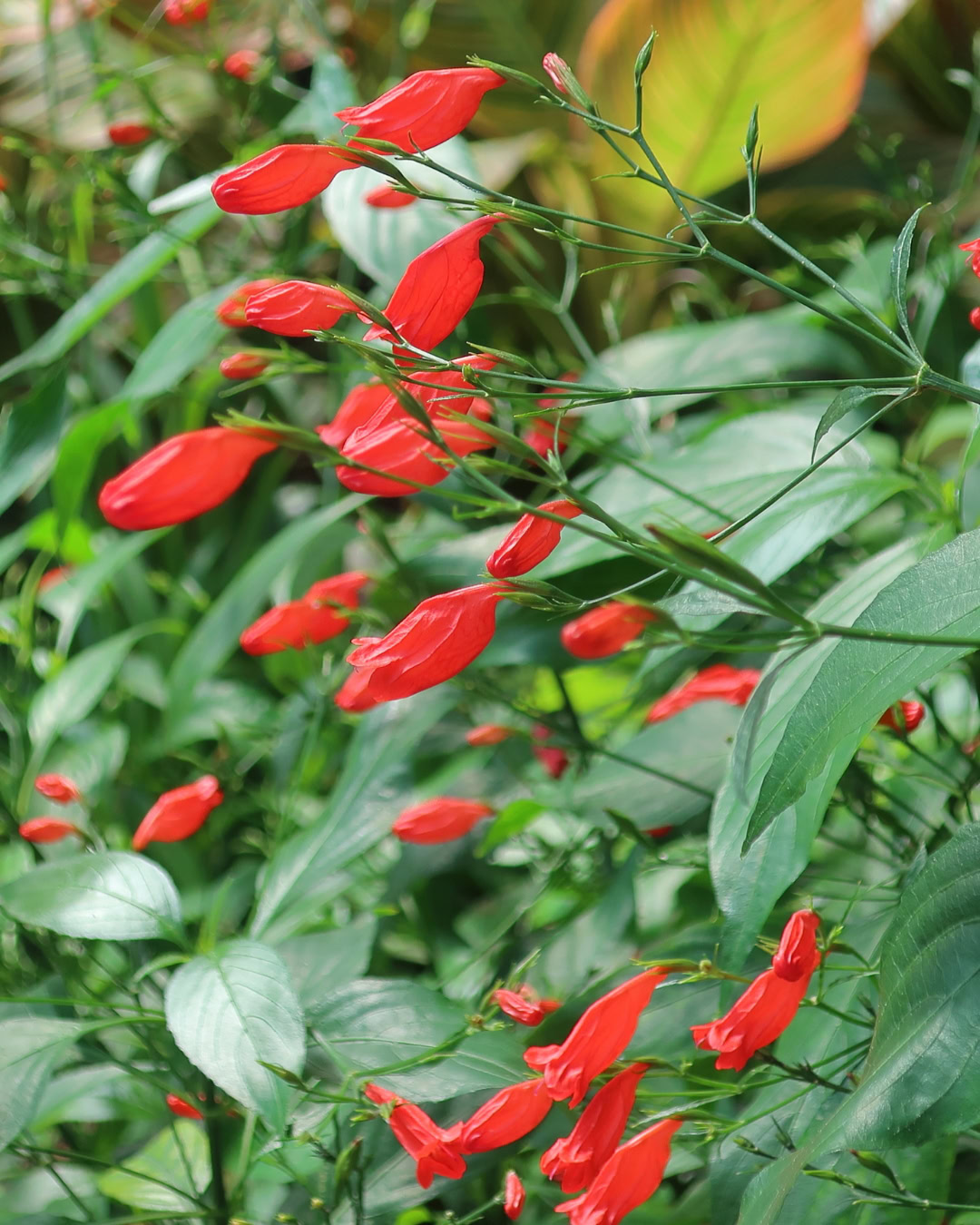
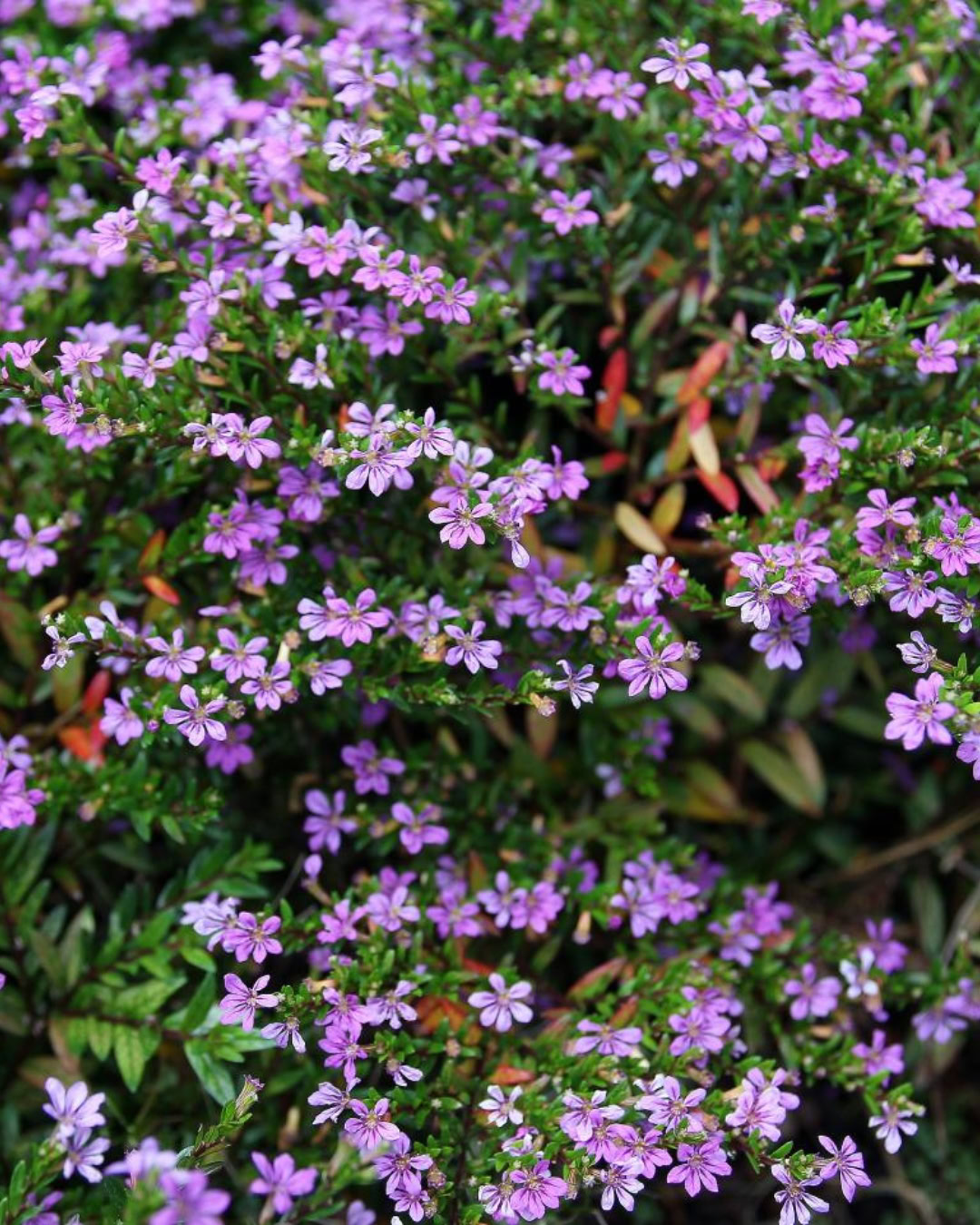
For fine texture and a delicate sprinkling of bloom, false heather (Cuphea gracilis) works well in sunny borders. One note of caution: that common name is also used for a similar exotic species, so confirm with the grower that you’re getting the native plant. And if your bed is in part shade—that spot under the tree canopy where nothing seems to flower—try hummingbird plant (Ruellia brevifolia), with its red tubular flowers that hummingbirds love. It comes from gallery forest habitat, so it prefers shade and moisture over blazing sun, the opposite of most of the other plants on this list.
Native grasses: the next frontier in savanna-style landscaping
Now I need to be honest with you, because this is where the subject becomes both most exciting and most pioneering. Grasses are the soul of savanna landscapes: they respond to the wind, filter the light, and shift from green to straw, copper, and wine tones through the seasons. The challenge is that they’re still rarely available in nurseries as ready-to-plant starts. Most often, you’ll find them as seed through specialized native seed networks or from the small number of pioneering growers working in naturalistic planting design.
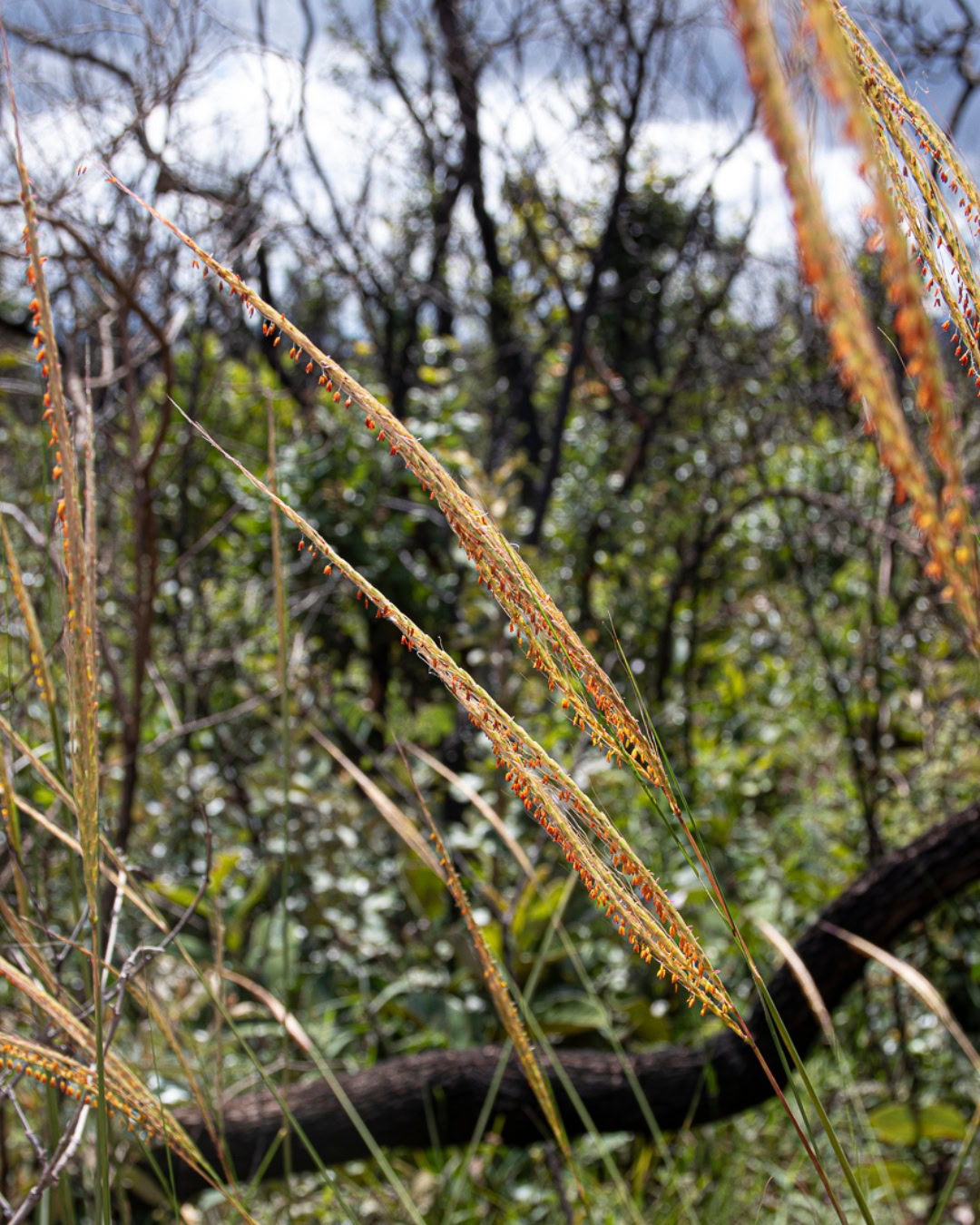
Beyond how you buy them, they also require a different style of care: acidic, lean soil—no lime and no heavy fertilizing—and often a hard annual cutback that mimics the role of fire, the natural “pruning shears” that have renewed these savanna ecosystems for millions of years. With that in mind, they’re absolutely worth trying. The leading player is red grass (Schizachyrium sanguineum), the species most often mentioned by designers who work with native plants and the star of any grassland-inspired palette. Round out the composition with spear grass (Trachypogon spicatus), whose stems move elegantly in the wind, and golden grass (Axonopus aureus), which forms glowing patches close to the ground. Planted in groups or repeated drifts rather than as isolated clumps, they create the savanna effect that no conventional lawn grass can imitate.
Bromeliads and orchids: the sculptural power of the Cerrado
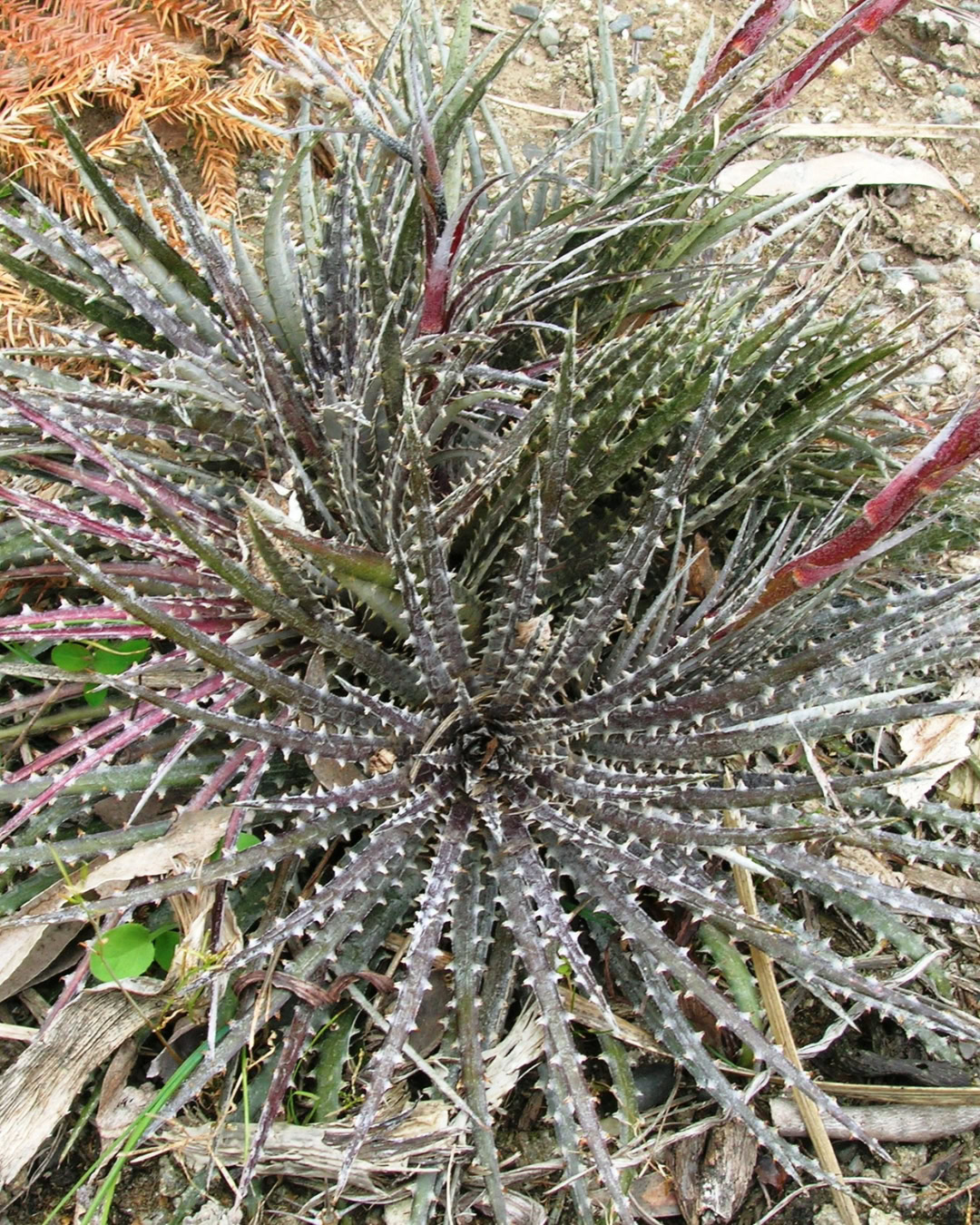
When I visited Roberto Burle Marx’s former estate and garden, I fully understood that native bromeliads and orchids aren’t just container plants—they shape the landscape.
It was Burle Marx who turned bromeliads into stars of Brazilian landscape design, and among the options with a true savanna look, my favorite is dyckia (genus Dyckia). Its stiff, almost succulent rosettes emerge straight from rocky outcrops and send up spikes of orange flowers. They’re ideal for rock gardens and xeriscape-style plantings, especially in designs inspired by native savanna plants, as long as they get full sun and excellent drainage. Just respect the sharp spines along the leaves and keep the plant away from children and pets.
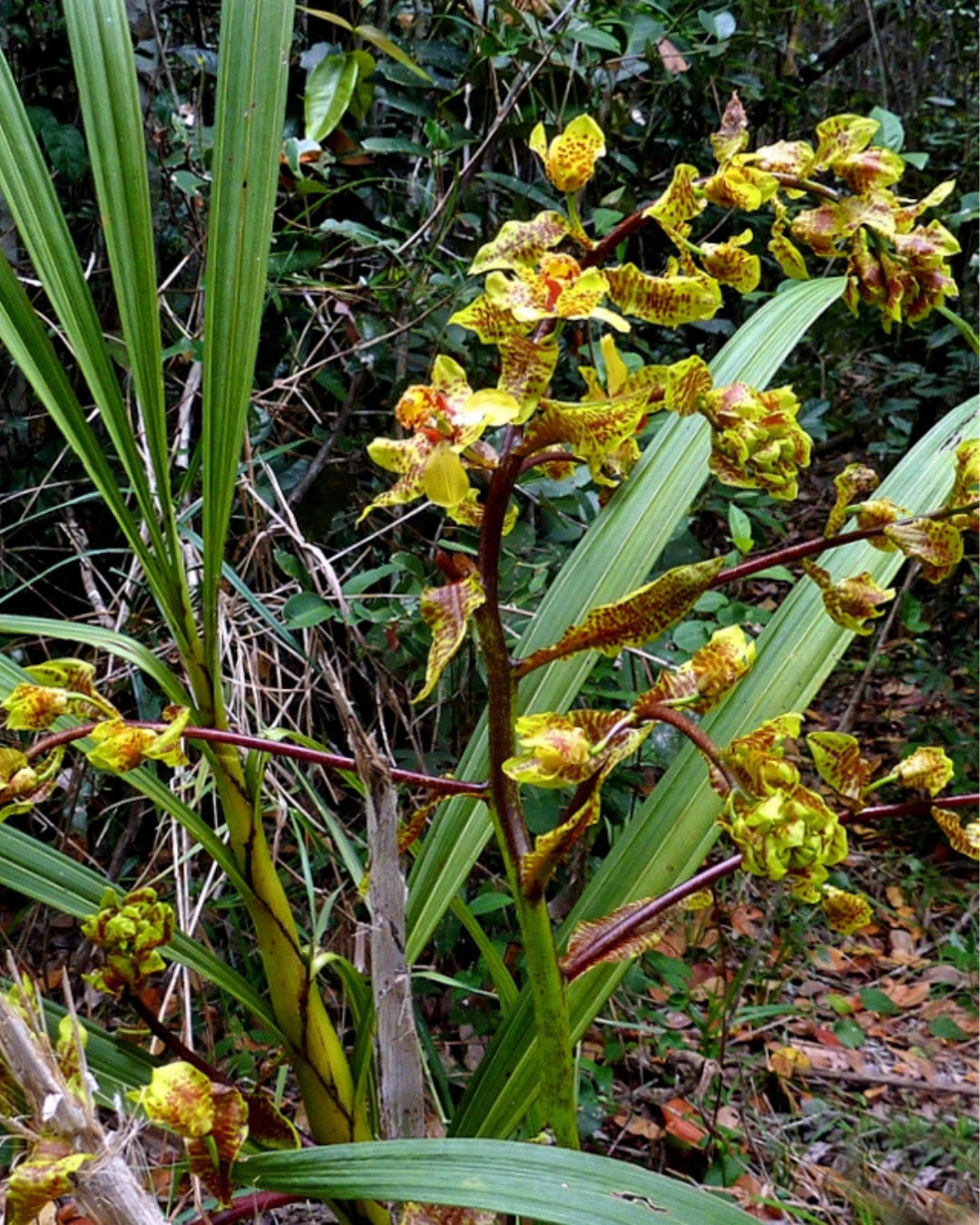
Among the orchids, the rugged choice is sumaré (genus Cyrtopodium), also known as armadillo tail orchid. Unlike the fussy reputation orchids often get, this is a tough terrestrial orchid with cigar-shaped pseudobulbs and flower spikes packed with dozens of yellow blooms. It wants plenty of sun and sharply drained soil. Both plants come with the same non-negotiable message: buy only from reputable growers who propagate legally, and never collect plants from the wild. Species from rocky outcrops are among the most heavily poached and the hardest to restore in nature, so every ethically sourced plant is also a small act of conservation.
Native Savanna Vines
Vines make use of vertical space and can cover fences, pergolas, and arbors with a kind of charm no tree can quite match. The support structure needs to be sized for the plant’s vigor, because flimsy trellises and woody vines rarely end that relationship on good terms.
Flame vine (Pyrostegia venusta)
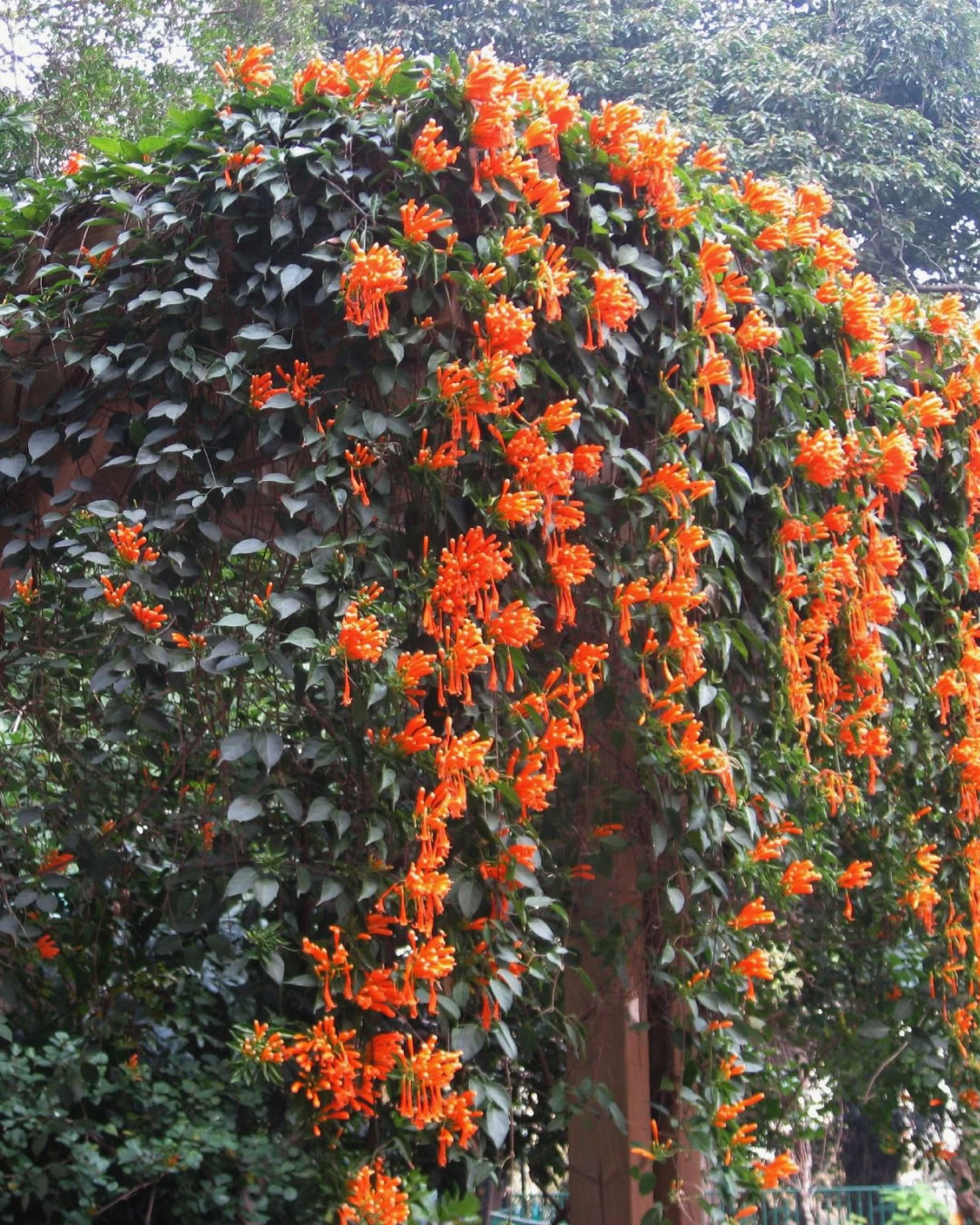
Flame vine is best known for its cascades of orange tubular flowers, which hummingbirds eagerly compete for. It’s vigorous and performs best on long fences, slopes, and sturdy structures in full sun. It needs pruning to control its size and keep it from swallowing nearby trees or creeping onto the roof. In a small space, the maintenance can end up outweighing the ornamental payoff.
Orange comb vine (Combretum fruticosum)
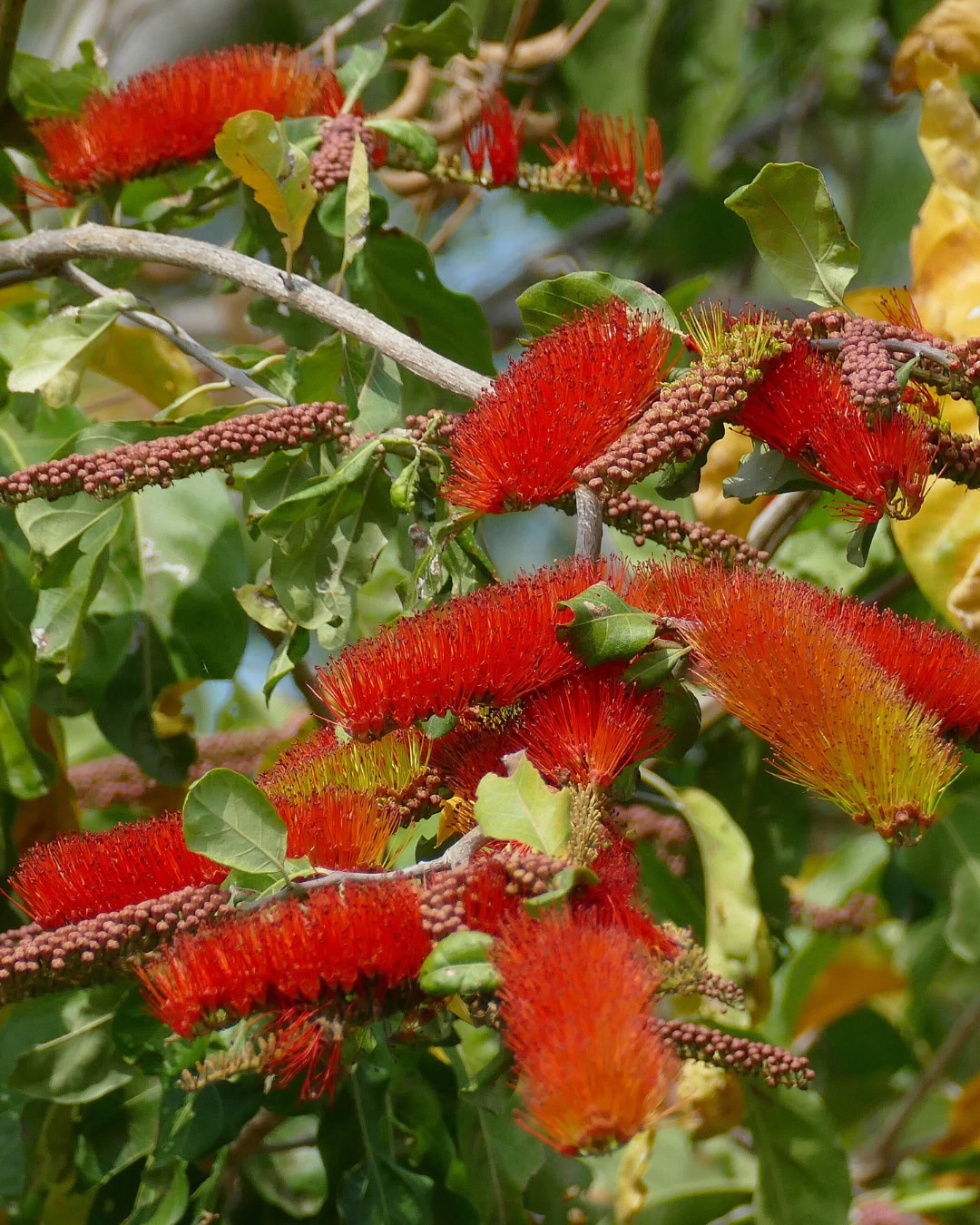
The orange flower clusters, made up of long, showy stamens, explain the nickname orange comb vine and make it a magnet for pollinators. The plant develops woody stems and should be trained from a young age onto a sturdy pergola or arbor. It flowers best in strong light. Since it gains bulk over time, planning access for pruning and avoiding delicate supports will save a lot of trouble later.
Snow vine (Fridericia florida)
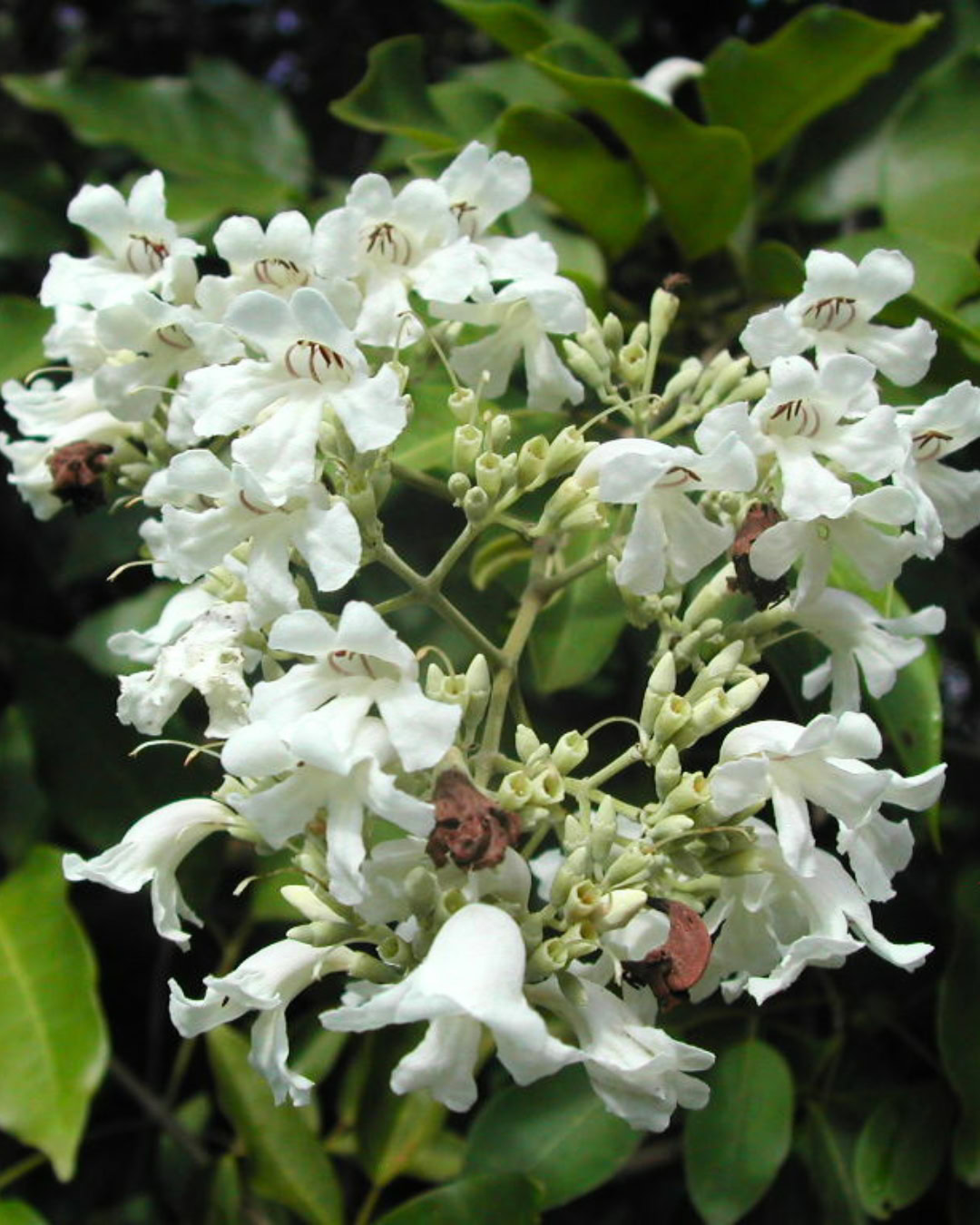
Snow vine gets its name from its pale bloom display, so abundant that it can cover much of the branching framework. This is a woody vine for large structures, not that little trellis leaning against the window. Sun, space, and training cuts help balance growth and flowering.
Red vine (Fridericia speciosa)
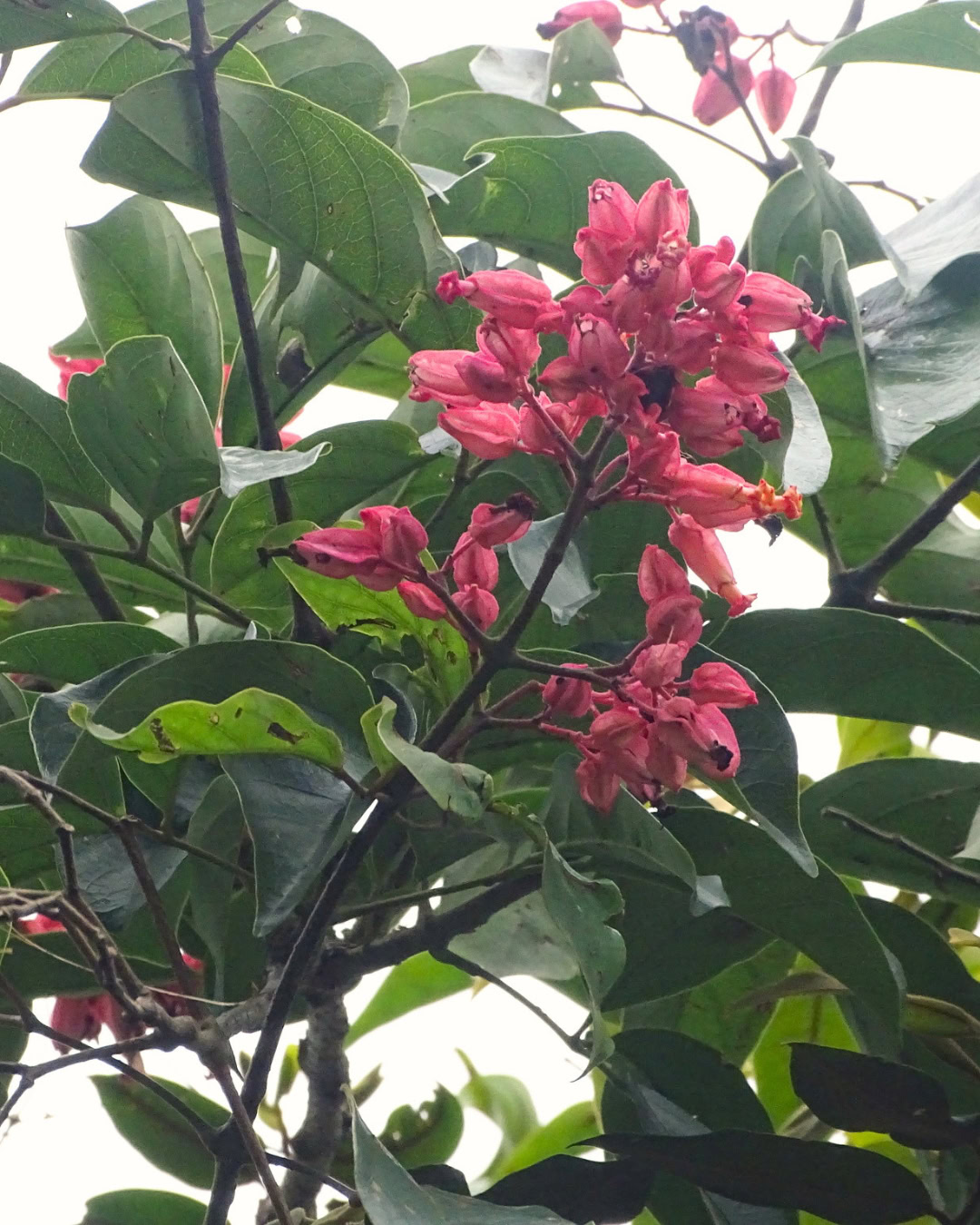
A close relative of the previous species, red vine bears tubular flowers in shades of pink to purplish rose, also heavily visited by pollinators. It’s a vigorous native vine, ideal for arbors and pergolas that need a generous floral display. Train it early and give it a solid support that can keep up with its growth.
Wild passionflower (Passiflora cincinnata)
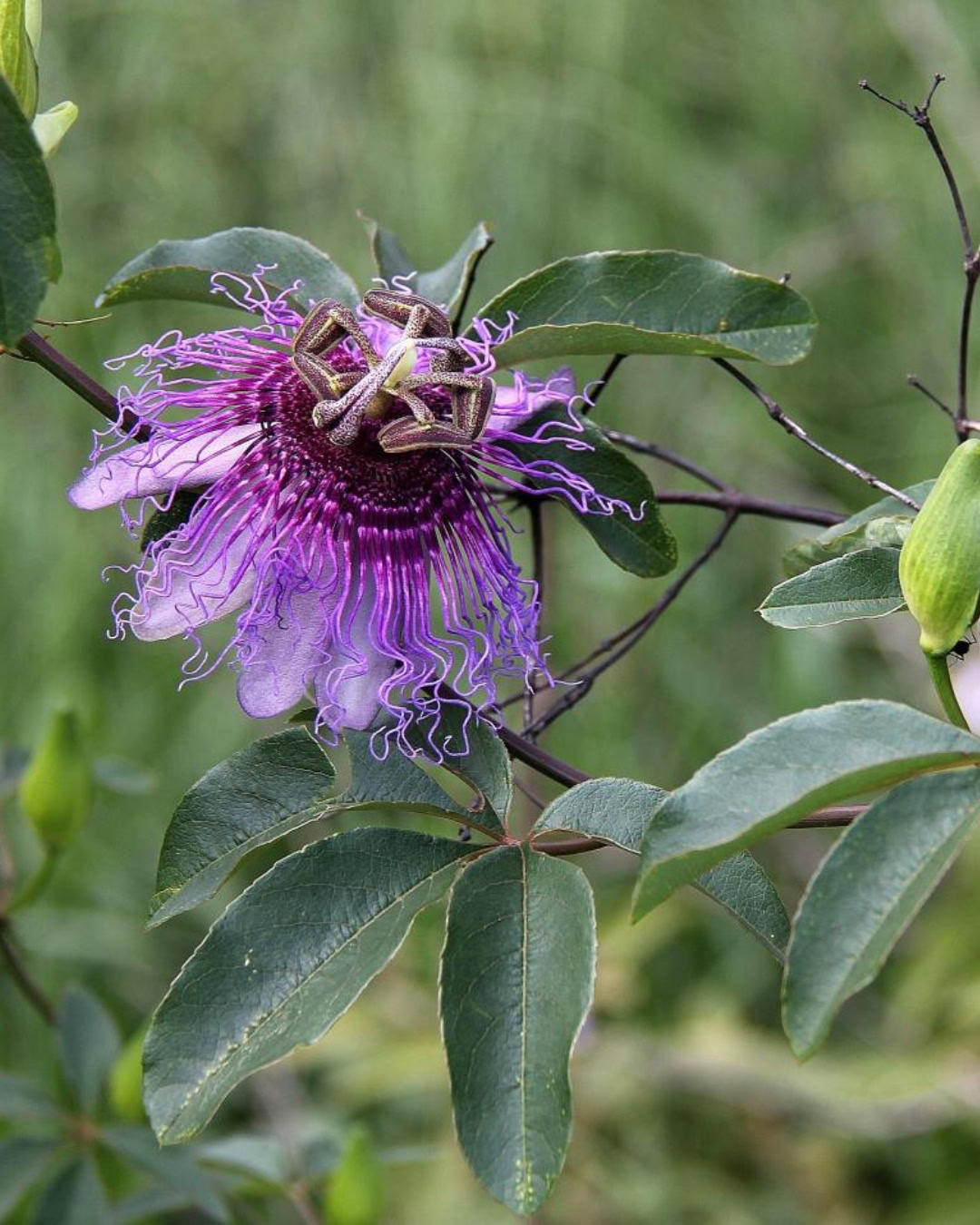
This passionflower combines intricate, usually purple-toned blooms, fruit, and wildlife value. The stems cling to supports with tendrils, making it a good fit for sunny fences and trellises. Depending on the season and climate, it may lose part of its top growth and then resprout. If you want to use the fruit in the kitchen, confirm the plant’s identity first and follow guidance specific to the species.
How to Create a Garden Inspired by Native Savanna Plants
Rather than copying a natural landscape literally, the trick is to translate its principles into the space you actually have. Start with one tree or just a few, use a palm as a vertical anchor, add groups of shrubs, and create a continuous matrix of groundcovers and ornamental grasses. Repetition is your best friend here: three, five, or more plants of the same species create a much more coherent effect than one lonely sample of every item on the list.
Keep open, sunny areas, preserve sightlines between the tree canopies, and welcome asymmetrical forms. Stones and gravel can absolutely play a role, but they shouldn’t replace an understanding of your soil or become an impermeable layer. On a slope, clumping grasses and perennial peanut can help hold the bank; in a small garden, a small tree like foxglove tree, one vine, and a few repeated shrubs and groundcovers already tell the story.
Plan for seasonality with care. Some trees drop their leaves before flowering, grasses dry down and change color, and some species disappear for a while before resprouting. Combine plants with different growth cycles so the garden stays interesting year-round.
And resist the urge to keep everything lush green with extra water and nitrogen: besides blurring the design’s character, that kind of excess leaves plants adapted to lean soils weaker and out of balance.
Bromeliads, orchids, and sculptural plants
Native terrestrial bromeliads from the Cerrado form rosettes that create striking contrast among rocks and grasses. There are species for full sun, part shade, dry ground, and more consistently moist settings, so proper identification is not a decorative detail—it’s the starting point for successful growing. Some have spiny margins and should be kept well away from walkways.
Terrestrial orchids in the genus Cyrtopodium have prominent pseudobulbs and showy flower spikes. Several occur in the Cerrado, but their needs vary by habitat. They fit beautifully into collector gardens and naturalistic designs featuring native savanna plants, as long as they come from legal propagation and receive the right substrate, light, and seasonal rest for the species. An orchid taken from the wild is rarely a bargain; it’s usually environmental damage wrapped in a cultivation headache.
How to create a Cerrado-inspired garden
Instead of copying a natural landscape literally, the trick is to translate its principles to the space you have. Start with one tree or a small number of trees, add groups of shrubs, and build a continuous matrix of grasses and herbaceous plants. Repetition is your best friend here: three, five, or more plants of the same species create a much more coherent effect than one lonely sample of every item on the list.
Keep spaces open and sunny, preserve sightlines between tree canopies, and embrace asymmetrical forms. Stones and gravel can play a role, but they should not replace soil knowledge or become an impermeable layer. On a slope, clumping grasses and shrubs help shape the terrain; in a small garden, one appropriately sized tree, one vine, and two or three repeated herbaceous plants can already tell the story.
Plan for seasonality with care. Some trees drop their leaves before flowering, grasses go dormant, and geophytic species disappear for a while before resprouting. Combine plants with different growth cycles so the garden stays interesting year-round. And resist the urge to keep everything green with water and nitrogen: besides erasing the identity of the composition, that excess makes plants adapted to poor soils more fragile and unbalanced.
Finally, choose species that fit your region. If you garden in a climate with a pronounced dry season and conditions similar to a tropical savanna, native savanna plants are the obvious starting point. In other parts of the country, a “Cerrado-inspired” garden can draw on regional native plants that play similar roles, especially where frost, high humidity, or the lack of a dry season make species from Brazil’s Central Plateau harder to grow.
Basic care for Cerrado plants
Plant preferably at the beginning of your region’s rainy season. That reduces stress and helps roots establish, but it does not eliminate the need to monitor soil moisture. Water deeply and regularly during establishment, letting the climate, drainage, and species guide frequency. Over time, plants from dry habitats can handle longer intervals, while those from seasonally wet grasslands or moist areas will continue to have different needs.
Avoid permanently soggy soil for species from typical Cerrado and other well-drained grassland habitats. At the same time, do not apply that rule blindly to plants from palm swamps and wet areas. When fertilizing, moderation is safer than enthusiasm: correct proven problems and avoid high doses of fertilizer or organic matter unless you know the species’ requirements.
- Control competition: keep a ring free of turfgrass and invasive grasses around young plants, because competition for water, light, and nutrients can seriously slow establishment.
- Use mulch in moderation: apply a moderate layer, without piling it against the crown, when that suits the species and the setting.
- Temporary staking: remove stakes as soon as they are no longer needed.
- Prune with purpose: prioritize structure, safety, and removal of damaged parts. Don’t force every tree into a ball, and don’t shear ornamental grasses at the peak of their fall effect.
One last reminder that is worth its weight in gold: before deciding a plant has died, watch for dormancy, leaf drop, and resprouting. If in doubt, check whether the branches are still alive inside and talk to the grower who supplied the plant or a local horticulture professional.
Where to find Cerrado plant seedlings
Finding young Cerrado plants still takes some searching, especially if you are looking for shrubs, grasses, everlastings, and other herbaceous native savanna plants.
Native trees are easier to find at nurseries, while lesser-known ornamentals often show up only by special order, through regional growers, or via networks tied to ecological restoration.
Among the more established suppliers is Viveiro Nativo, based in Patos de Minas, Minas Gerais. With about 20 years in operation, it specializes in native Cerrado trees and primarily serves reforestation, mitigation, and larger-scale planting projects. Before ordering, check current availability and the minimum quantity required for each species.
In Goiânia, the Federal University of Goiás Forest Nursery, run through the Pró-Floresta project, produces about 40,000 seedlings a year from more than 100 forest species—especially native savanna plants from the Cerrado. The nursery is officially registered, accepts requests through an online form, and periodically publishes its current species list. Because production follows seed collection and plant growth cycles, not every species is available year-round.
Another long-running option is Sítio da Mata, a nursery in São Paulo state that has operated since 1998 and sells native plants from different biomes, along with fruiting and ornamental species. The company ships to multiple regions and can be a useful source for native trees and fruits that also occur in the Cerrado. Since its catalog covers several biomes, confirm the scientific name and the origin of the plant instead of relying only on a general “native” label.
The Brazilian Forest Institute, founded in 2006, also works with seeds, seedlings, and nursery materials through its Click Mudas store. Its catalog includes Cerrado tree species and may help buyers who can’t find growers nearby. It’s worth checking the seedling size, packaging method, shipping cost, and transit conditions to your area before placing an order.
To locate growers closer to you, you can also browse Nativas Brasil, an association that connects nursery operators, seed collectors, restoration professionals, and others working with native species. The Cerrado Seed Network is especially helpful for finding collector networks, community initiatives, and plant material intended for propagation and restoration. These organizations do not necessarily operate like standard retail stores, but they can help you identify regional suppliers.
Before ordering, ask for an updated species list and confirm the scientific name, origin, seedling size, minimum order quantity, and shipping options. Species such as cagaita, baru, and ipês are relatively common; canelas-de-ema, field calliandras, native grasses, and everlastings are still rare in the trade. And don’t assume a plant labeled “from the Cerrado” will automatically suit your landscape: check the species’ native habitat and whether it matches your local climate, moisture, and soil conditions.
And it’s worth repeating: do not remove plants, seedlings, or seeds from protected areas, roadsides, or wild native remnants. Beyond the environmental impact and possible legal restrictions, many species do not survive transplanting because they have deep roots, delicate underground structures, or close associations with soil fungi. Buying legally propagated material protects wild populations and strengthens the supply chain for native plants—a market that still needs to grow.
A whole Cerrado waiting for your garden
Cerrado plants offer far more than a collection of flowering trees. There are species for shade and fruit, for covering a pergola, defining a border, feeding pollinators, and creating planting beds that move with the wind. That diversity can fit into a large or small garden, productive or purely ornamental, formal or naturalistic.
In the end, the best design is not the one with the biggest species list, but the one that makes choices that truly fit the climate, soil, light, and available space. When you combine legally sourced plants, careful establishment, and respect for seasonal cycles, your garden can take on an authentic regional identity—without turning into a cliché of twisted trees in bone-dry ground. Why not start small? Pick one species from this list that suits your area and plant it this rainy season. Your garden—and the wildlife that comes to visit—will thank you.