Which fruit trees can you prune in winter, and which ones should you leave alone until another season? It sounds like a simple question, but the answer can completely change the health, shape, and productivity of your fruit trees. Winter-pruning a grapevine, for example, is a great idea. But winter-pruning a mango or a Surinam cherry? That’s where you start flirting with disaster in the garden.
Winter pruning fruit trees is a very common practice for temperate, deciduous species — the ones that go dormant, drop their leaves, or slow down dramatically in the cold months. That includes grapes, figs, apples, pears, peaches, plums, and persimmons. For these plants, winter pruning renews fruiting wood, opens up the canopy, improves light penetration, removes pests and diseases, and sets the tree up for a strong new crop.
But does every fruit tree want a winter haircut? No — and that’s the catch. Many tropical and evergreen fruit trees, such as mango, avocado, citrus, lychee, and loquat, don’t follow the deciduous playbook at all. Some flower or fruit right in the cool season. Others fruit on the trunk, on older wood, or in spots an impatient gardener will lop off without realising it. Can you imagine cutting off the very branch that was about to carry your fruit?
On top of that, pruning stimulates new growth. If your tree isn’t truly dormant when you cut, it can read the signal the wrong way and push out a flush of tender shoots that the next cold snap promptly burns. That hurts not just your harvest, but the tree’s overall health.
So before you grab the secateurs, the pruning saw, or that dangerous burst of weekend confidence, learn the one rule that matters: the best time to prune depends on the species, your local climate, the plant’s age, and the goal of the cut. The key signal isn’t the date on the calendar — it’s the plant. Prune deciduous fruit when it’s leafless and fully dormant, ideally as late in winter as you can manage, just before the buds start to swell. Do you want more fruit? A smaller tree that’s easier to harvest? A handsome canopy for the garden? Or a tree that’s balanced, productive, and good-looking all at once?
In this guide you’ll see which fruit trees to prune in winter, how to do the basic cuts on each one, and which species need extra caution this season. The goal isn’t to turn you into an orchard tech in one afternoon — it’s to help you avoid the most common mistakes.
Fruit tree pruning chart: which ones should you prune in winter?
Before you pick up the secateurs, take a look at the chart below. Some fruit trees belong squarely on the winter pruning list; others should be left out, especially while they’re flowering, fruiting, or because they simply don’t follow the temperate, deciduous cycle.
Prune in winter (deciduous)
- Grapes
- Fig
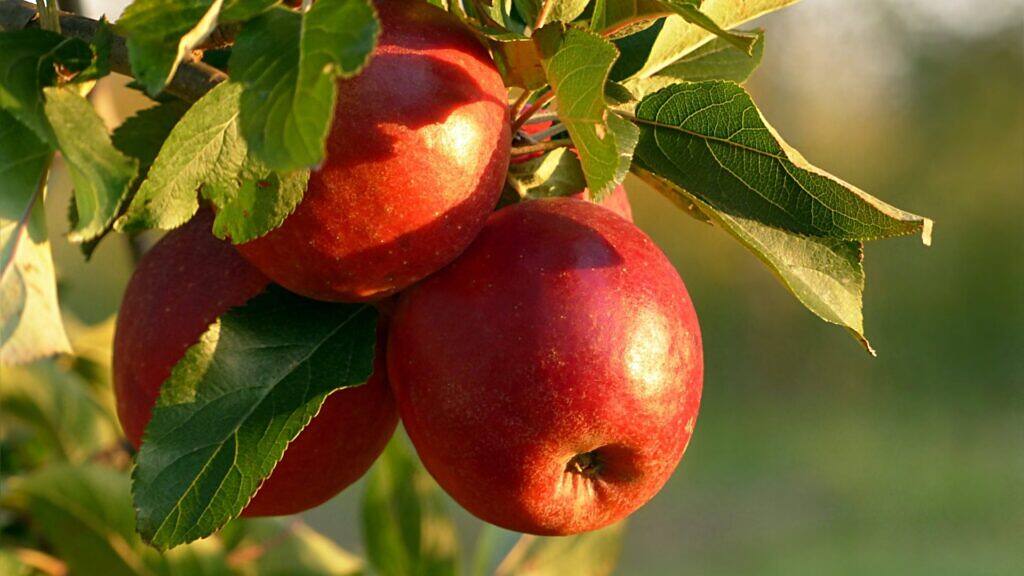
- Apple
- Pear (incl. nashi)
- Peach & nectarine
- Plum
- Persimmon
- Quince
- Mulberry
- Blueberry
- Raspberry & blackberry
- Guava*
Not in winter (evergreen / tropical)*
- Lemon, lime & other citrus
- Orange & grapefruit
- Mandarin
- Mango
- Avocado
- Lychee & longan
- Loquat
- Feijoa (pineapple guava)
- Custard apple / cherimoya
- Acerola (Barbados cherry)
- Surinam cherry
- Jaboticaba
Note: this chart is a guide, not a universal law. The right timing also depends on your local climate, the plant’s age, and the goal of the cut.
*Guava is technically evergreen, but in warm regions it tolerates — and even benefits from — a late-winter shaping cut, so it sits right on the boundary. **Sanitary pruning (removing only dead and diseased wood) can be done on any plant, at any time.
Before you cut: what kind of pruning are you doing?
Not every pruning job has the same goal. Before the blades touch the tree, work out what you’re trying to fix. Cleanup? Training? Production? Size control? That decision changes the whole approach.
- Cleanup pruning: removes dead, broken, diseased, weak, crossing, or badly placed branches. It’s the safest type and can be done whenever there’s a real need.
- Training pruning: sets the structure of a young tree — trunk, main scaffold limbs, and canopy shape. It’s what keeps a tree from becoming crooked, tangled, or impossible to harvest later.
- Production pruning: organises the wood that will flower and fruit, balancing new growth, light, and crop load. Common on grapes, figs, peaches, apples, and guava.
- Renewal pruning: replaces old, weak, or unproductive branches with vigorous new shoots. Do it gradually, especially on mature or neglected plants.
- Containment pruning: controls height and spread so the tree fits its spot. The trick is to reduce thoughtfully while keeping the plant’s structure intact.
When in doubt, start with cleanup pruning. It improves light, reduces disease hotspots, and lets you actually see the canopy before you commit to bigger cuts. Good pruning isn’t the most drastic pruning — it’s the kind that solves the problem without creating a new one.
Fruit trees you can prune in winter
1. Grapes
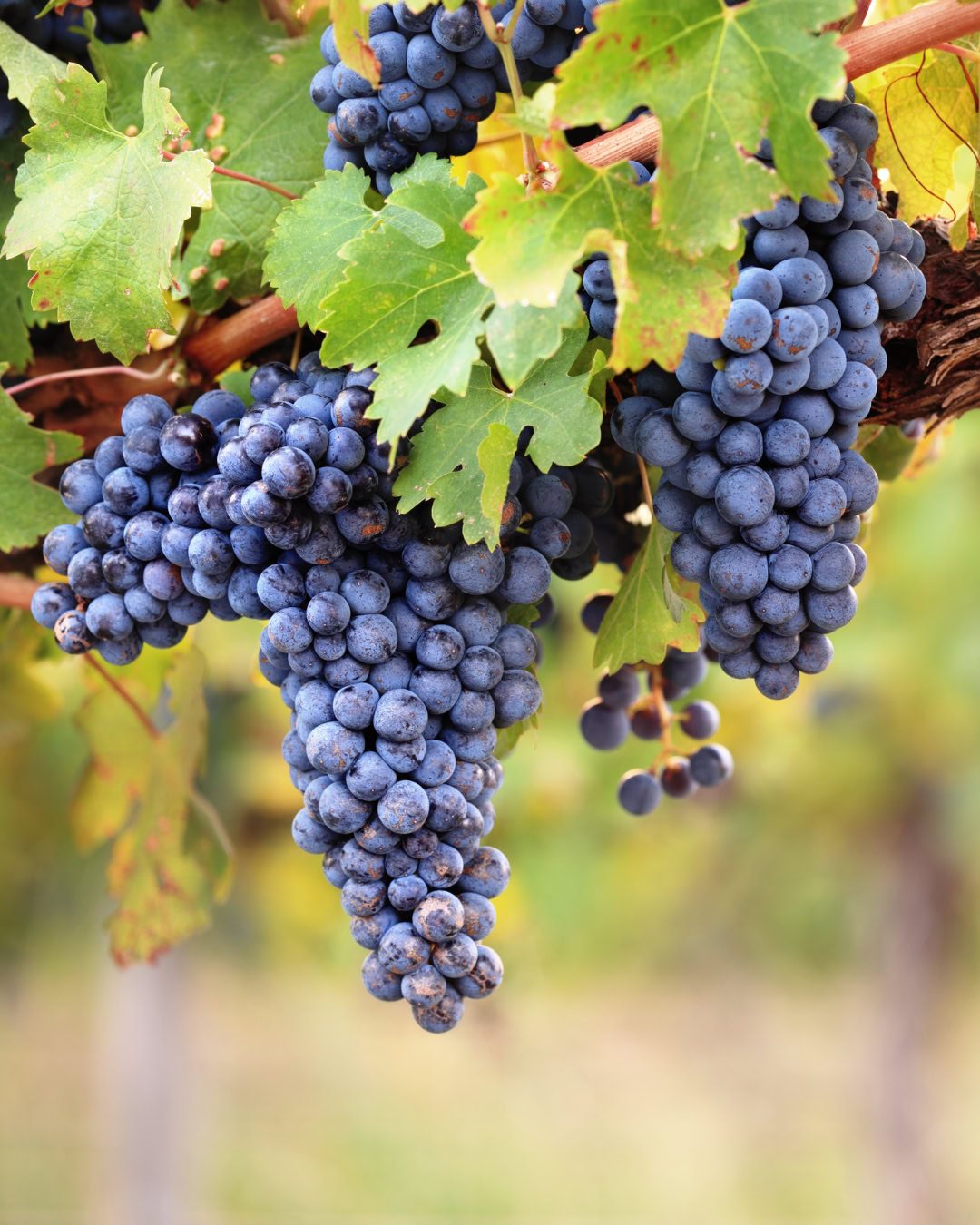
Grapes (Vitis spp.) are the classic winter-pruning subject. In the cold season the vine goes dormant, drops its leaves, and its whole structure is laid bare — the perfect time to spot the canes, spurs, and weak shoots that need to go. Whether you’re growing table grapes over a backyard pergola or wine grapes on a trellis, the logic is the same.
Pruning renews productive wood, controls vine size, and sets up next season’s crop. You’ll hear about canes (longer shoots left with several buds) and spurs (short shoots cut back to just a few buds, used to renew the vine and keep fruiting wood close to the main arms). As a guide, spur-pruned vines are cut back to spurs of two to four buds, spaced about 15 cm (6 in) apart along the cordon — a technique documented by university horticulture programs such as Clemson Cooperative Extension (US). In other words: don’t cut “by feel” and hope the grapes turn up out of politeness.
How to prune grapes in winter
- Remove dry, weak, broken, diseased, or very thin shoots.
- Take out poorly placed or crossing shoots and anything tangling the structure.
- Choose the most vigorous, well-positioned shoots to form your canes or spurs, depending on the training system.
- For spur pruning, leave just a few buds per spur; for cane pruning, keep longer, well-spaced canes.
- Make clean, slightly angled cuts just above your chosen bud.
- Tie the main shoots to the support without constricting them.
Main caution: don’t wait until the vine has broken dormancy. Once buds open and shoots are underway, pruning gets riskier and can cost you part of the crop. Don’t be alarmed if late cuts “bleed” sap — that’s harmless. In areas prone to late frosts, avoid pruning so early that the new growth gets caught by cold.
2. Fig
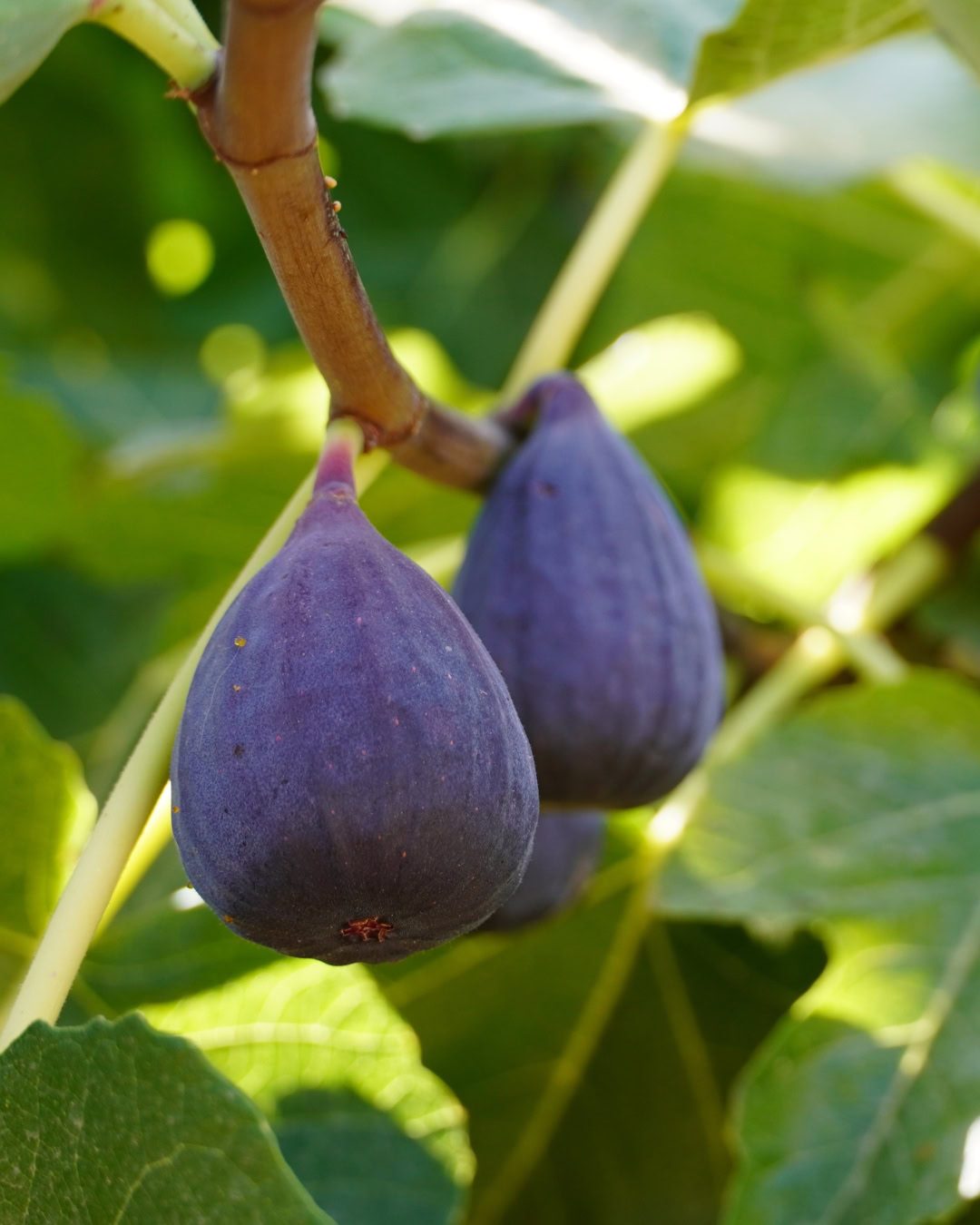
The fig (Ficus carica) — a backyard favourite — ranks high on the winter-pruning list. Figs respond well to renewal pruning because most varieties fruit mainly on new growth. So does it make sense to leave the tree full of old, tangled, unproductive wood? Not really.
In winter, with the tree less active, pruning controls size, encourages fresh shoots, and keeps a low, open structure that’s easy to pick. Nobody wants a giant fig shading half the backyard and feeding only the birds and possums.
How to prune a fig in winter
- Remove dead, broken, diseased, or very weak branches.
- Take out shoots growing into the canopy or crossing one another.
- Keep a low framework with well-spaced main scaffold limbs.
- Shorten last season’s branches to encourage new productive growth.
- Remove very upright or poorly placed branches, especially those closing in the centre.
- On big, mature trees, reduce height gradually, cutting above well-placed laterals.
Main caution: figs tolerate pruning, but that’s no licence to butcher them. Renew the plant and make picking easier — don’t turn the canopy into a coat rack. For a fig neglected for years, spread corrective pruning over more than one season.
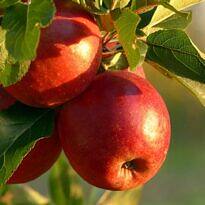
3. Apple
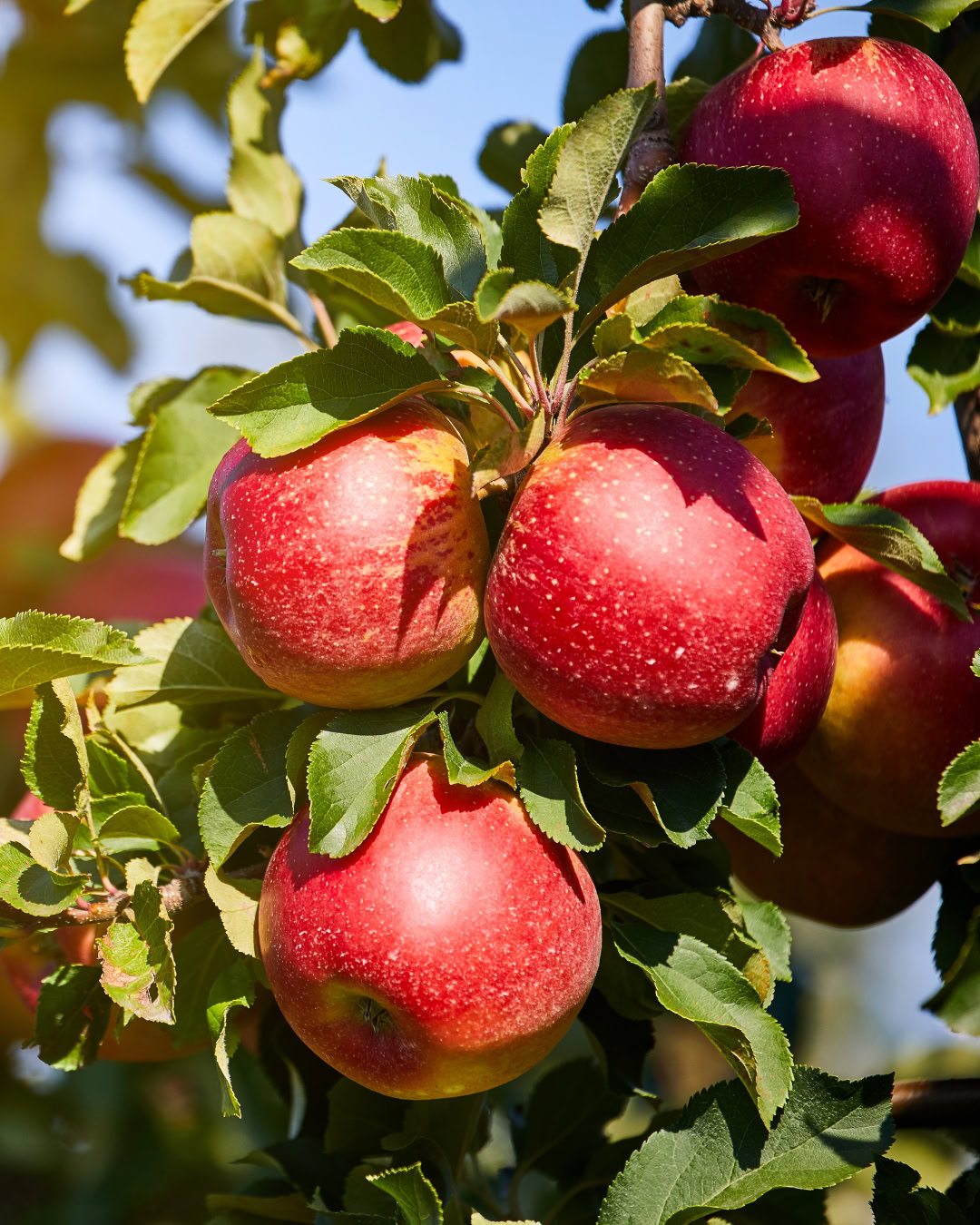
The apple (Malus domestica) is leafless in winter, which makes the canopy structure easy to read. Do you want apples on a bright, well-spaced framework, or a thicket of branches elbowing each other? Exactly — pruning brings order to the mess.
Winter pruning improves light penetration, removes badly placed wood, balances growth and fruiting, and keeps the tree a sensible size for a backyard orchard. On espaliered or central-leader trees, it also preserves the chosen shape.
How to prune an apple in winter
- Remove dead, broken, diseased, or damaged branches.
- Cut branches that grow inward, cross other limbs, or sit too close together.
- Remove vigorous vertical “water shoots”, especially where they shade the canopy.
- Keep well-placed laterals with good spacing and strong light exposure.
- Avoid shortening every branch indiscriminately — that just triggers excess leafy growth.
- Keep the canopy open for light and air movement.
Main caution: apples hate a “hedge-trimmer haircut” that shears the outside of the canopy and removes all the tips. That kind of cut floods the tree with low-value vertical shoots and reduces fruit quality.
4. Pear (including nashi)
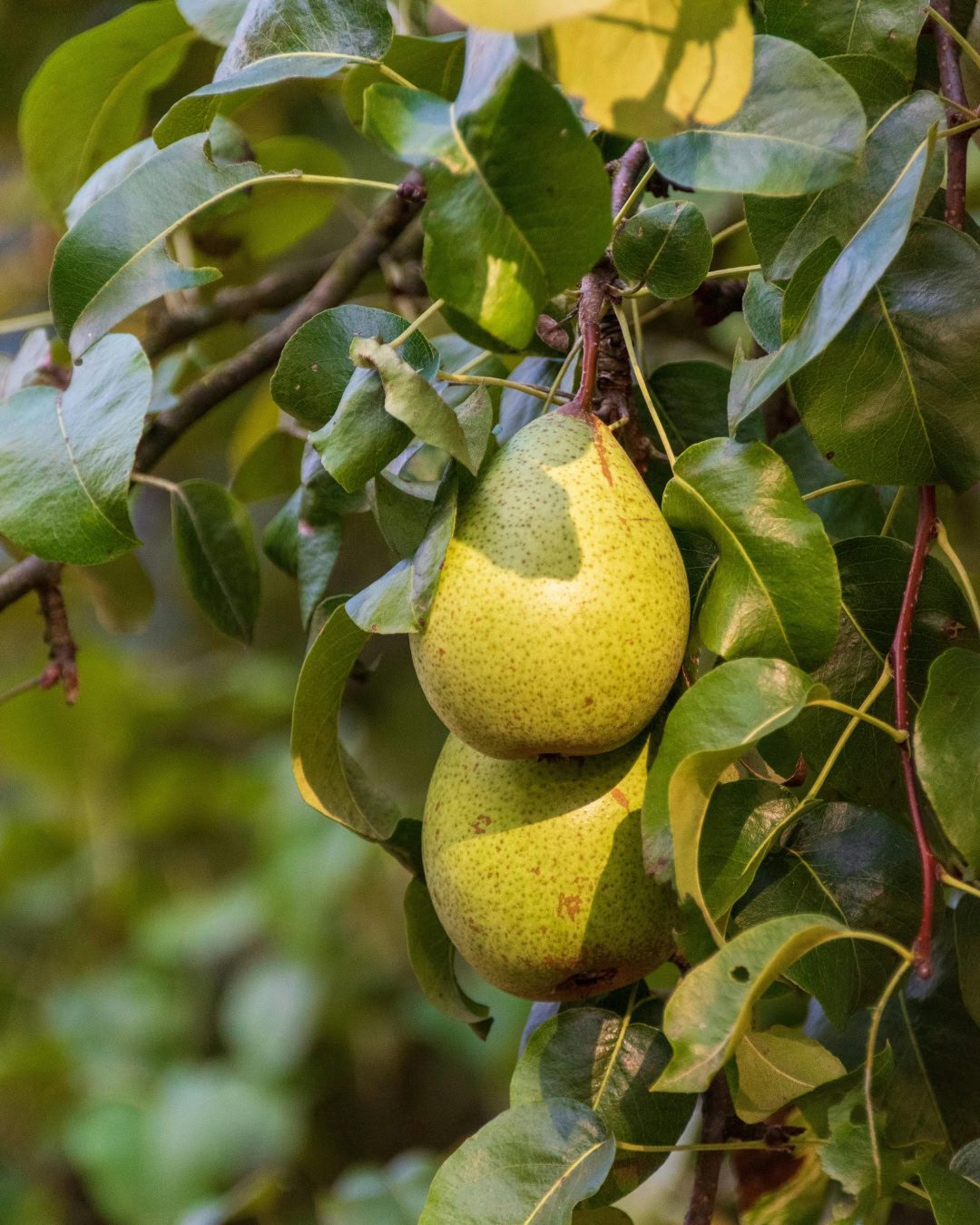
The pear (Pyrus communis, plus the nashi or Asian pear, P. pyrifolia) follows apple logic — prune in winter, while dormant and leafless — but with a little more finesse. Severe cuts on a vigorous pear can trigger a rush of upright, unproductive shoots, so the tree grows as if it’s trying to outrun its own fruiting.
Keep winter pruning moderate: training, cleanup, light, and curbing excessive upright growth. One extra note: pears are prone to fire blight, so disinfect tools between cuts and remove any blighted wood well below the damage.
How to prune a pear in winter
- Remove dead, broken, diseased, or very weak branches.
- Remove crossing, overlapping, or inward-growing limbs.
- Thin out some of the most vigorous upright branches competing with the framework.
- Keep well-spaced laterals with a good angle to the trunk.
- On espaliers, keep the main arms and reduce secondary shoots without distorting the design.
- Prune in stages, checking the tree’s balance before each cut.
Main caution: don’t over-shorten the branches. On vigorous pears, the harder you cut, the stronger the leafy response — and instead of more pears you get a collection of eager new shoots.
5. Peach & nectarine
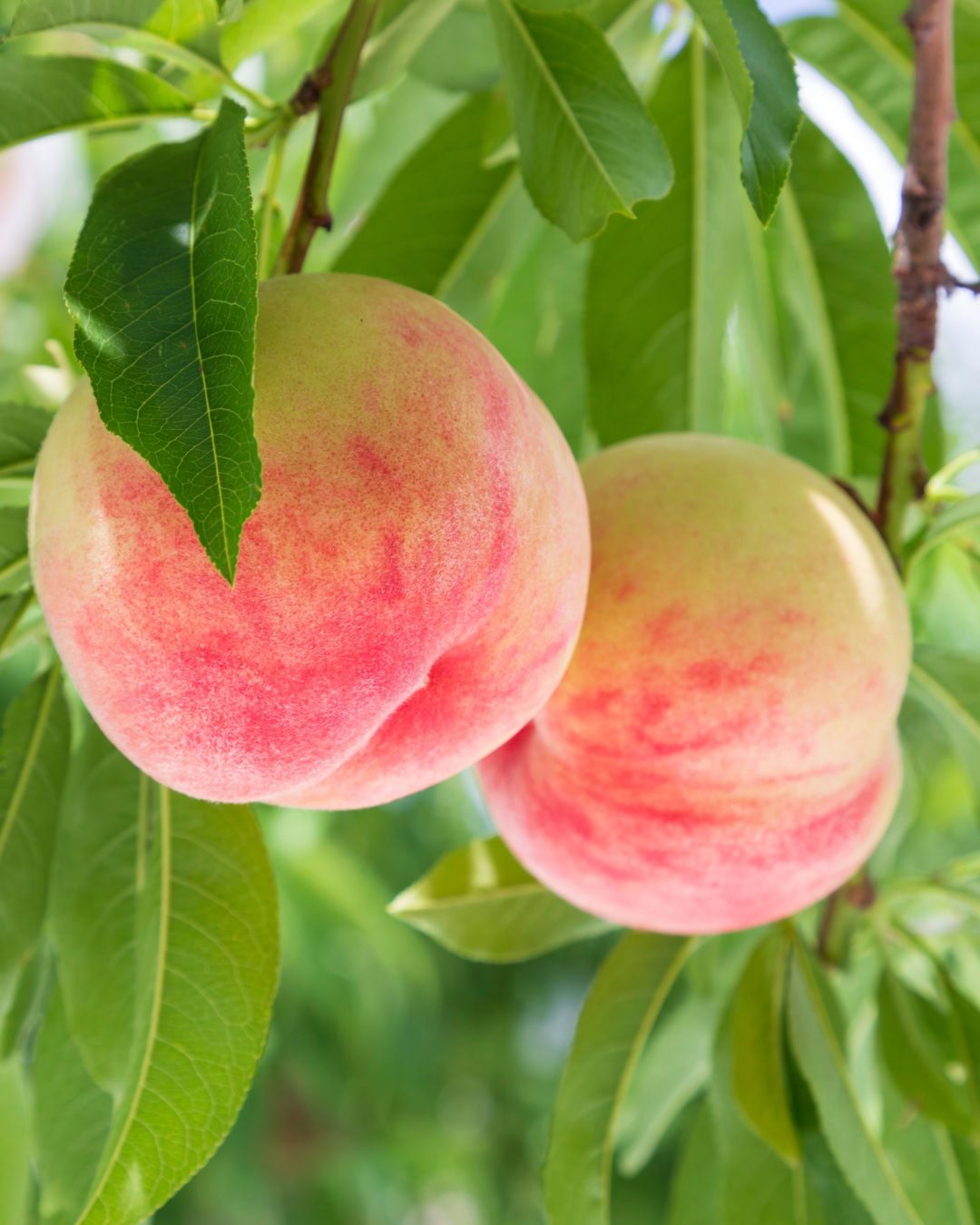
The peach (Prunus persica) — and its smooth-skinned twin, the nectarine — is a backyard classic across the cooler stone-fruit regions. One important note: stone fruit are best pruned in late winter, as the buds begin to swell, when it’s easiest to tell vigorous shoots, fruiting buds, and keeper wood apart. According to Clemson Extension (US), late-winter pruning also lowers the risk of cold injury and bacterial canker entering fresh wounds — one reason the books warn against pruning peaches in the depths of winter.
Peaches fruit on shoots formed the previous season, so they need constant renewal of productive wood. Left unpruned, the tree gets dense, tall, and poorly lit, with fruit drifting ever higher — and good fruit out of reach is basically bird décor.
How to prune a peach in winter
- Remove dead, broken, diseased, or very weak branches.
- Open the centre, keeping an “open vase” shape with good light penetration.
- Remove inward-growing or crossing branches and anything over-shading the tree.
- Keep well-placed, vigorous fruiting shoots (pencil-thick, around 30–45 cm / 12–18 in is ideal), evenly spaced.
- Renew some of the wood that already fruited, encouraging next season’s crop.
- Reduce height carefully, always cutting back to well-positioned laterals.
Main caution: don’t make blind cuts without checking the buds — on peaches, the wrong cut removes exactly the shoots that would carry flowers and fruit. And don’t let the centre close back up; light is the tree’s biggest ally for production.
6. Plum
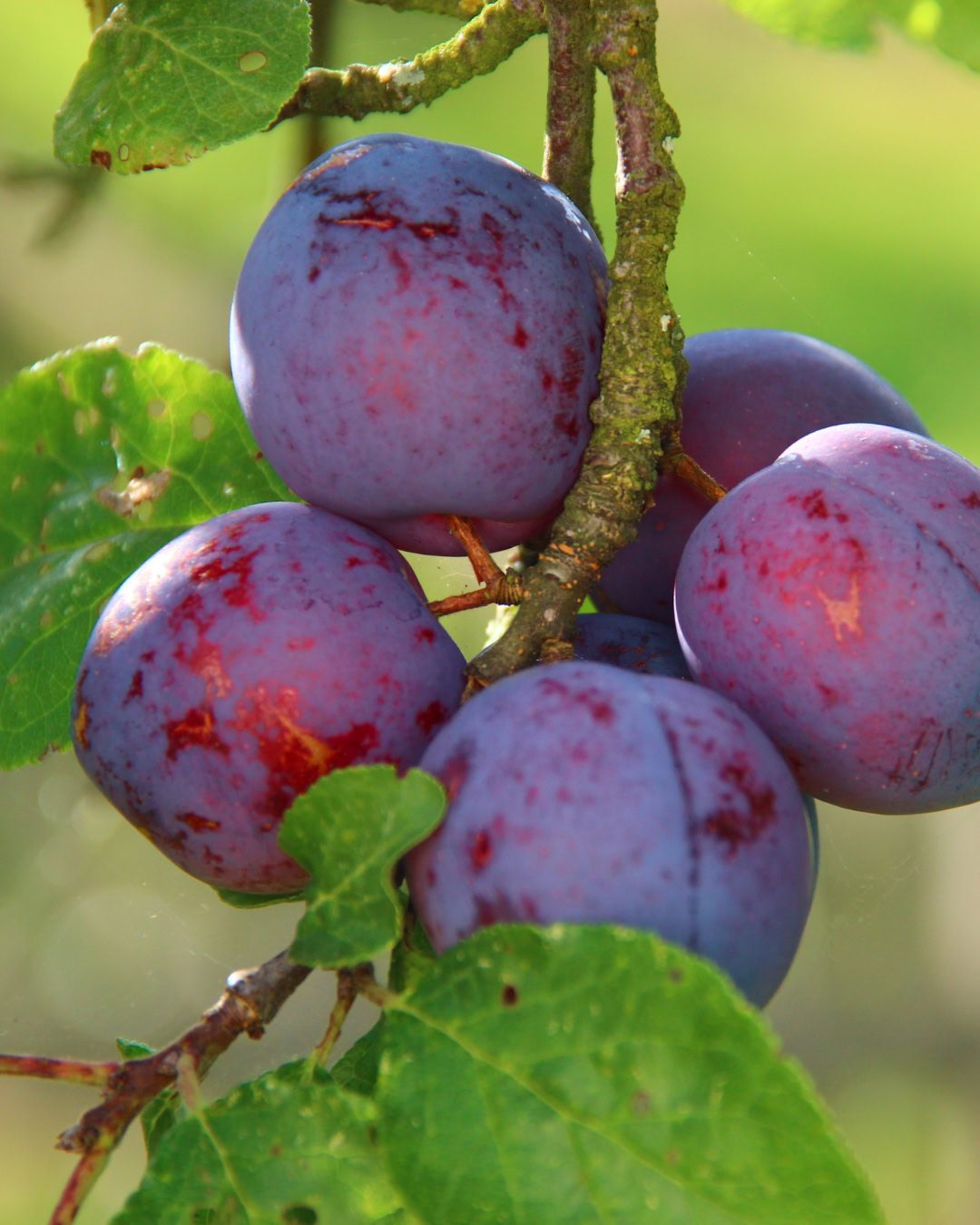
The plum (Japanese, Prunus salicina; European, P. domestica) can be winter-pruned, but it asks for more attention than it looks. Different plum types have different fruiting habits, which changes how hard you should cut. So before you start: does this tree fruit on new shoots, on one-year-old wood, or on spurs on older wood?
In general, use winter pruning for cleanup, training, gradual renewal, and better light in the canopy. In a home orchard the aim is a balanced, airy, easy-to-pick tree — not a rigid sculpture.
How to prune a plum in winter
- Remove dead, broken, diseased, or poorly formed branches.
- Take out crossing, overlapping, or inward-growing limbs.
- Open the canopy lightly for light and airflow.
- Keep healthy, well-placed fruiting shoots and short fruiting spurs.
- Renew ageing branches gradually, without stripping out productive wood.
- Lower the height little by little, cutting back to well-oriented laterals.
Main caution: don’t prune a plum like a fig. Excessive cuts reduce production and trigger badly placed shoots. In cold, humid areas, prefer selective pruning and avoid large wounds unless necessary.
7. Persimmon
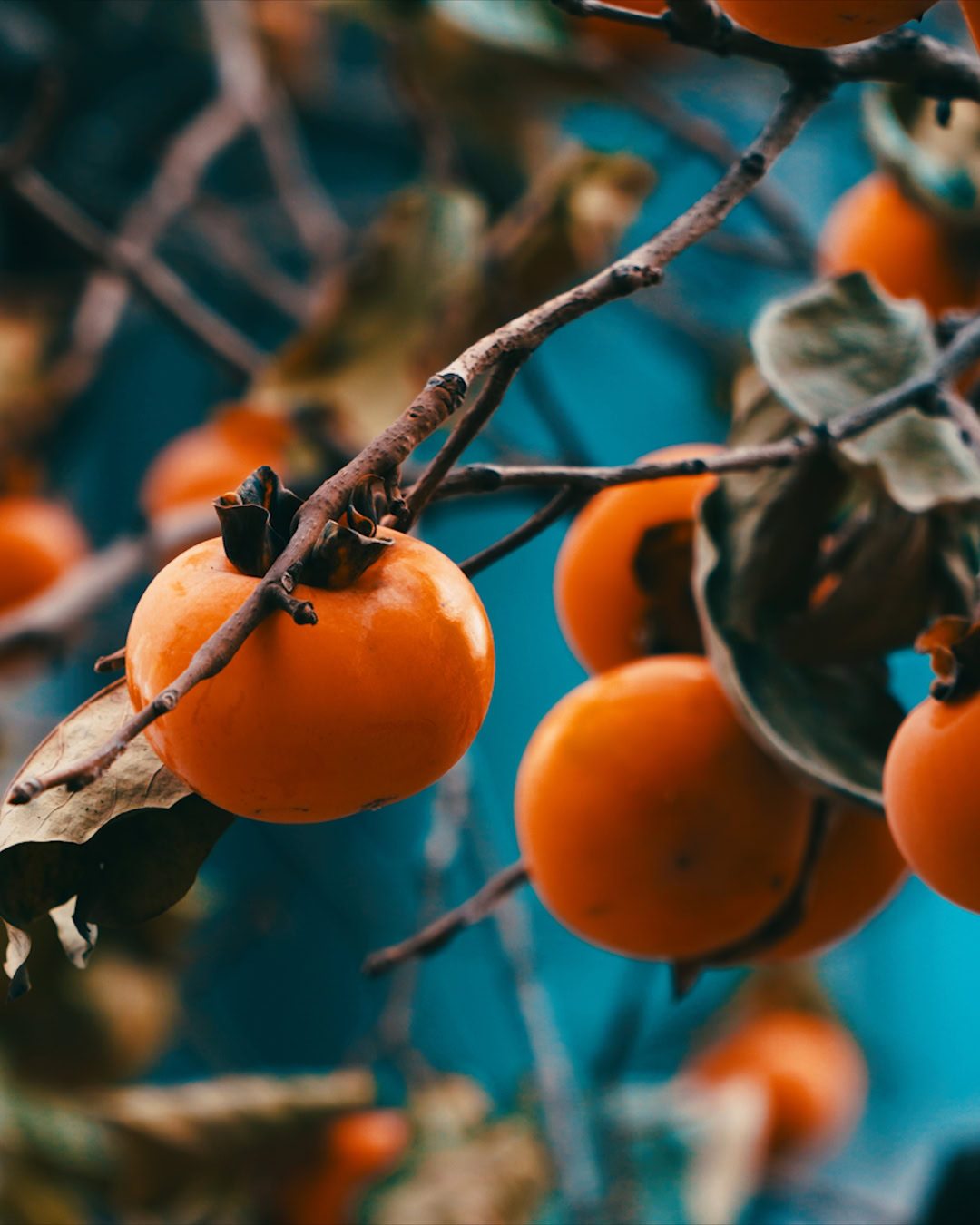
The persimmon (Diospyros kaki, the sweet “Fuyu” type and the astringent types grown for fruit) is deciduous, so it sheds its leaves in winter and shows you its structure. But does it need heavy pruning? Not at all.
Keep winter pruning moderate: cleanup, canopy training, gradual height control, and letting in light. On young trees the goal is a balanced framework; on mature trees it’s about correcting excess growth, removing unproductive wood, and keeping the tree short enough to harvest.
How to prune a persimmon in winter
- Remove dead, broken, diseased, or very weak branches.
- Take out crossing, overlapping, or inward-growing branches.
- Cut very upright shoots competing with the main framework.
- Open the canopy lightly for sun and air movement.
- If it’s too tall, reduce height gradually back to well-placed laterals.
- Preserve well-spaced structural branches; don’t disrupt the tree’s natural architecture.
Main caution: don’t take a drastic swing at a mature persimmon just to “bring it down” all at once. That throws the tree off balance, triggers overly vigorous regrowth, and cuts production. Correct height in stages — gardener’s patience, not chainsaw urgency.
8. Quince
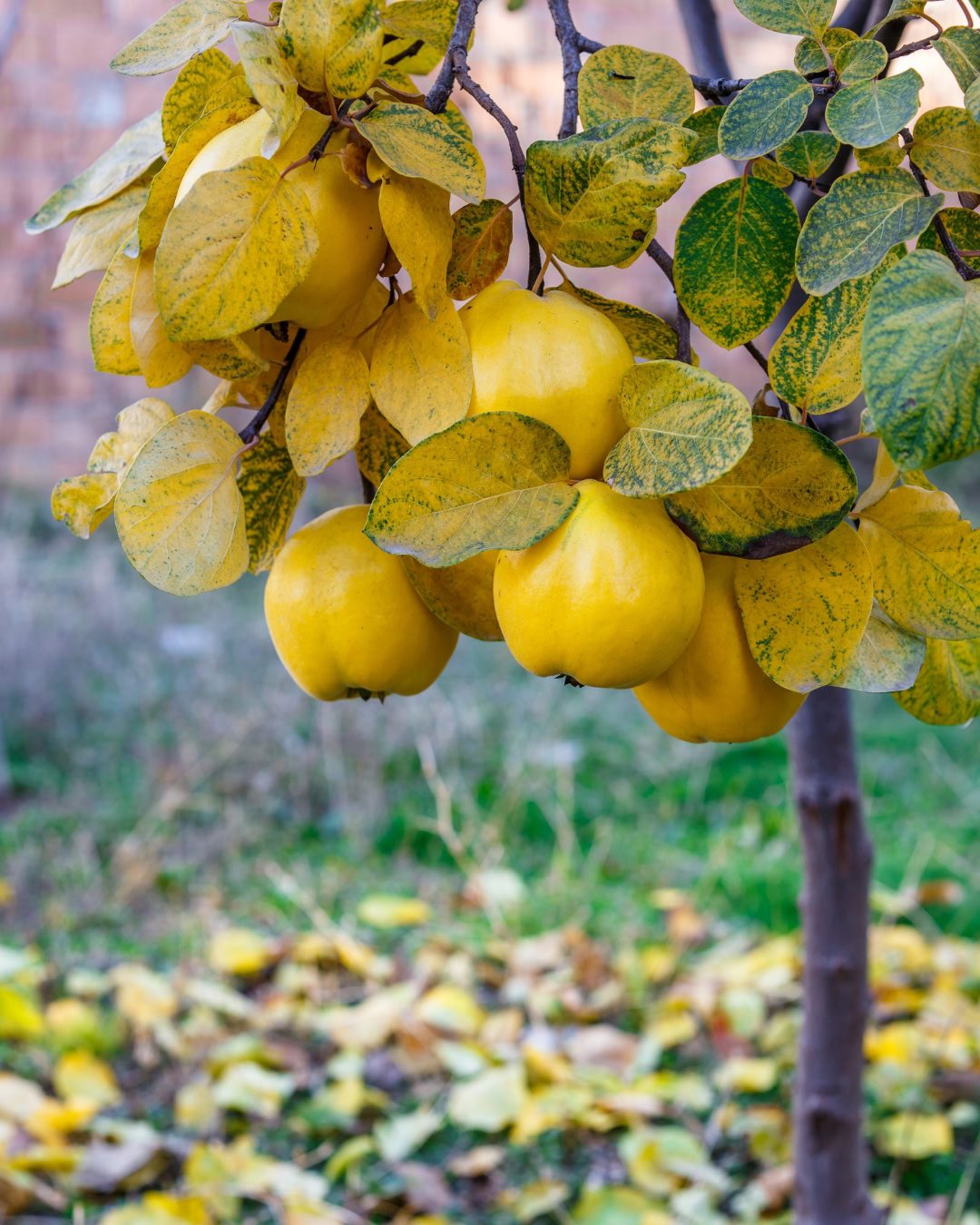
The quince (Cydonia oblonga) is a hardy, deciduous tree that takes well to winter pruning. With its leaves gone, you can see the main branches, the older wood, and any over-dense areas. And let’s be honest: a closed-up canopy may look lush, but it’s not exactly fruiting-friendly.
Winter pruning keeps the canopy open, renews older wood, removes weak growth, and builds a brighter, better-structured framework. Grow it as a small tree or a large shrub, depending on your space.
How to prune a quince in winter
- Remove dead, broken, diseased, or very weak branches.
- Take out crossing, tangled, or inward-growing branches.
- Remove some older branches to encourage gradual renewal.
- Open the centre for light penetration.
- Control very upright or oversized branches, keeping a balanced shape.
- Keep well-placed, productive wood; don’t over-cut the structure.
Main caution: the usual mistakes are letting quince get too dense, or — at the other extreme — stripping out too much productive wood. Thin and renew; don’t dismantle. Your secateurs are a fine-tuning tool, not revenge against branches.
9. Mulberry
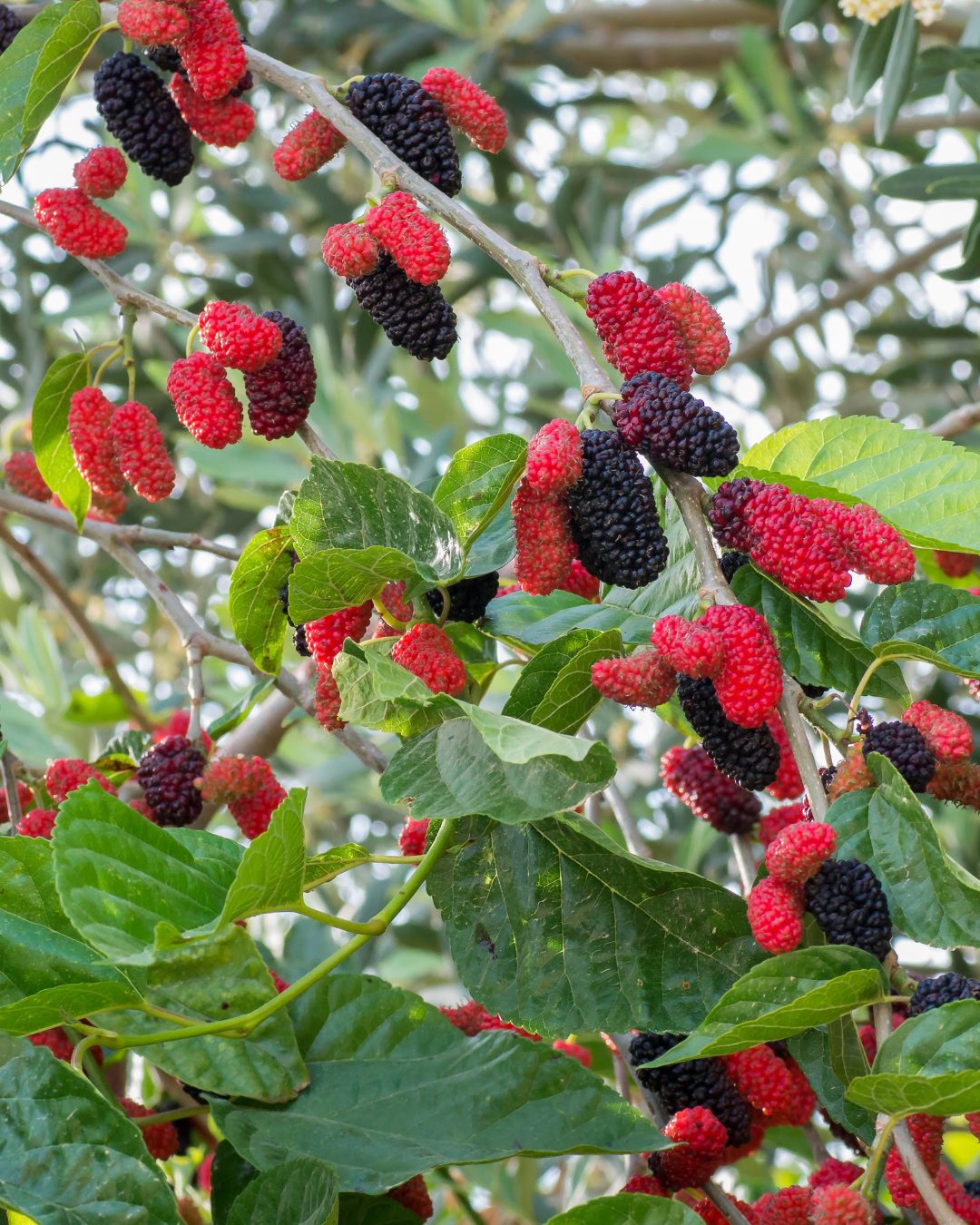
The mulberry (Morus spp.) is a common backyard tree because it grows fast, gives shade, and fruits heavily. The downside? Left unchecked it gets huge, with fruit overhead and branches sprawling everywhere. Who hasn’t seen a mulberry act like it owns the whole backyard?
Winter pruning controls size, renews branches, makes harvest easier, and keeps the tree balanced. Because mulberry resprouts vigorously, prune thoughtfully so you don’t trigger a forest of upright, badly placed shoots.
How to prune a mulberry in winter
- Remove dead, broken, diseased, or very weak branches.
- Take out crossing, competing, or inward-growing limbs.
- Reduce height if needed, always cutting back to well-oriented laterals.
- Remove vigorous vertical shoots that close in the canopy.
- Keep an open structure with well-spaced main branches.
- On very large trees, reduce in stages over more than one season.
Main caution: mulberry tolerates pruning, but drastic cuts unleash strong vertical shoots that work against an easy-to-pick tree. If you want reachable mulberries, there’s no point turning the tree into a pole with fruit on top.
10. Blueberry
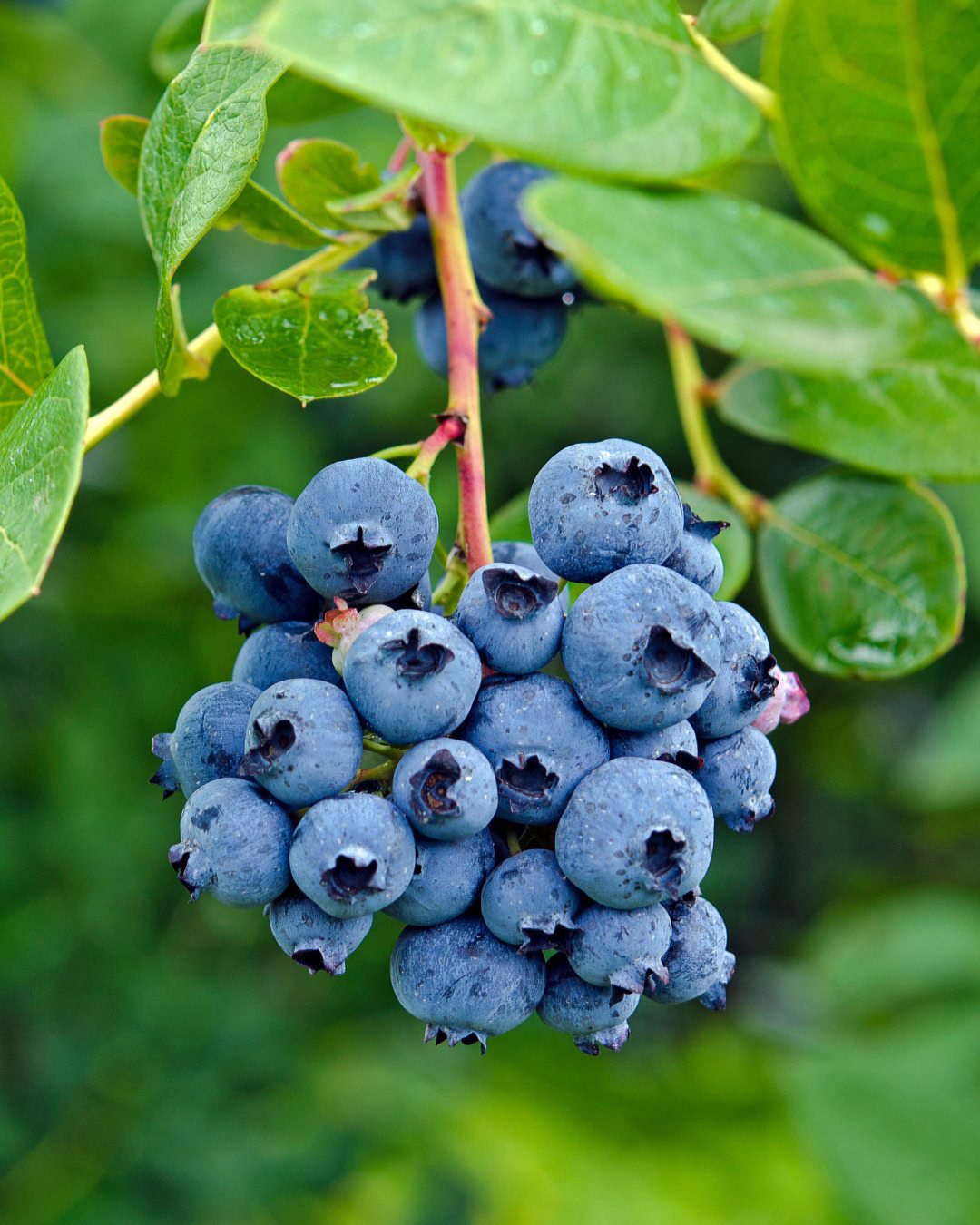
Blueberry (Vaccinium spp.) isn’t a tree, but it earns a spot here. The deciduous types are pruned in winter while dormant; in warmer areas the semi-evergreen rabbiteye and southern highbush types are tidied in late winter on the same principles. The real question: do you want a bush full of weak twigs, or an open, renewed, productive plant?
Winter pruning renews the bush, removes old or unproductive canes, improves light, and encourages vigorous new growth. On young plants, though, prioritise structure over yield — heavy early pruning just slows them down.
How to prune a blueberry in winter
- Remove dry, dead, broken, or diseased canes.
- Take out very thin, weak, or low canes, especially any touching the ground.
- Remove crossing branches and those growing toward the centre.
- On mature plants, gradually remove some of the oldest canes to drive renewal.
- Keep young, vigorous, well-placed canes.
- Maintain an open centre with good light.
Main caution: don’t over-prune young blueberries — they need a few years to build structure. On mature plants, renew gradually, taking out old wood a little at a time so you don’t leave the bush bare and offended.
11. Raspberry & blackberry
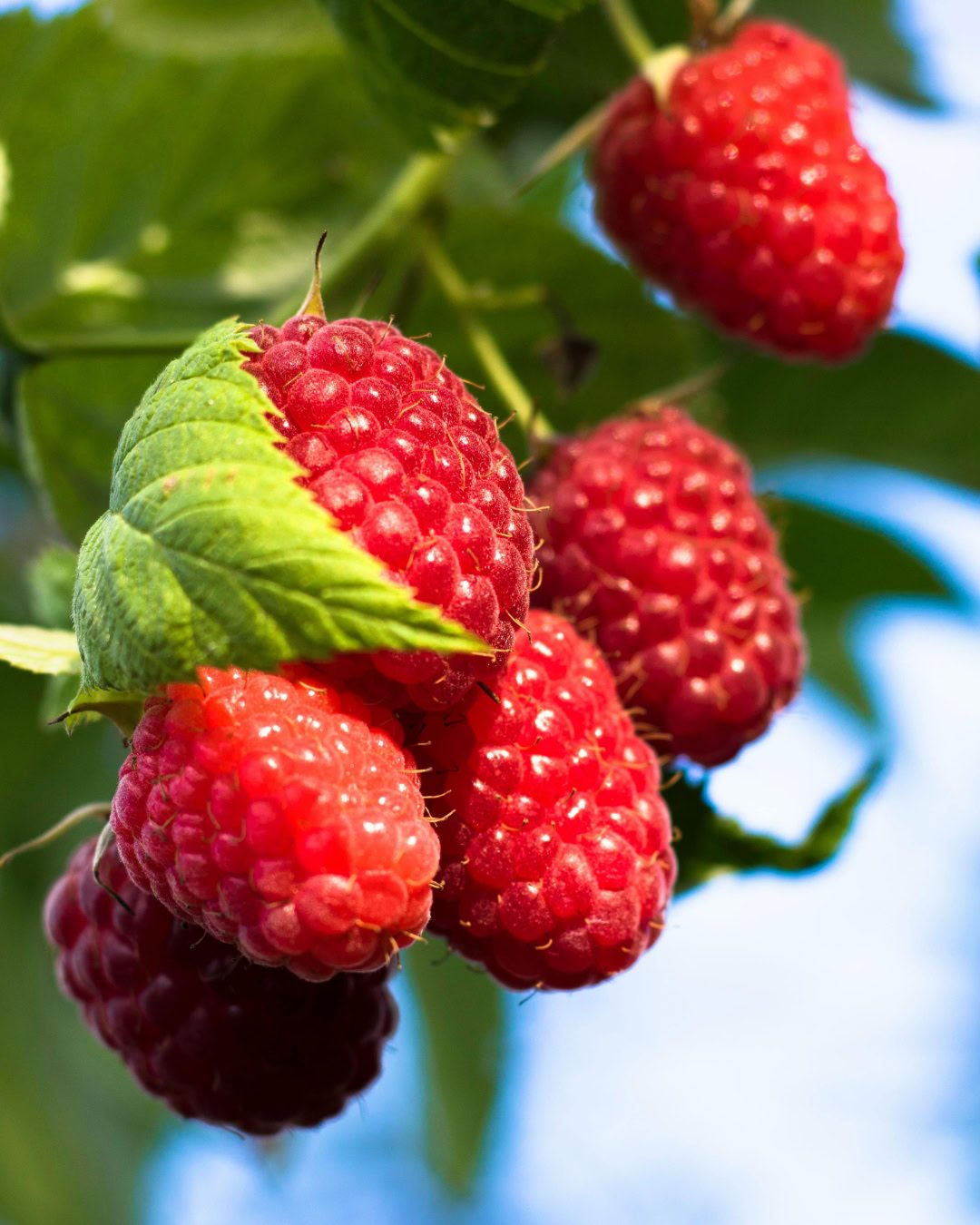
Caneberries — raspberries (Rubus idaeus) and their relatives — belong with the winter-prunable group, with one big caveat: pruning depends on the type and its fruiting cycle. Summer-bearing (floricane) types fruit on canes grown the previous year; everbearing/autumn-bearing (primocane) types can fruit on current-year canes. Sounds like a footnote? It’s exactly the detail that separates a clean pruning job from a vanished harvest.
A heads-up on blackberries: European blackberry (Rubus fruticosus aggregate) is a Weed of National Significance in Australia and is declared a noxious weed in Qld, NSW, Vic, SA, Tas, and WA. In most states you can only grow specific approved (usually thornless) cultivars, and wild forms must be controlled — so check your state or territory rules before planting any blackberry, and never let it escape into bush or waterways.
Winter pruning removes old, dry, or spent canes, improves airflow, and keeps only strong, well-spaced growth. Because these plants form clumps and throw up new canes, management has to be ongoing — especially in small beds.
How to prune caneberries in winter
- Remove dry, dead, broken, or diseased canes.
- Cut spent floricanes (canes that already fruited) back to the base, depending on type.
- Remove weak, very thin, or poorly placed shoots.
- Keep the strongest canes, evenly spaced.
- Tie canes to a support if they’re trellised.
- Remove excess laterals so the planting doesn’t get too dense.
Main caution: identify your type before you cut. If you remove all the canes without knowing where the plant fruits, you may take next season’s crop with them — the kind of “efficient” pruning that solves the cane problem and the berry problem in one go.
12. Guava
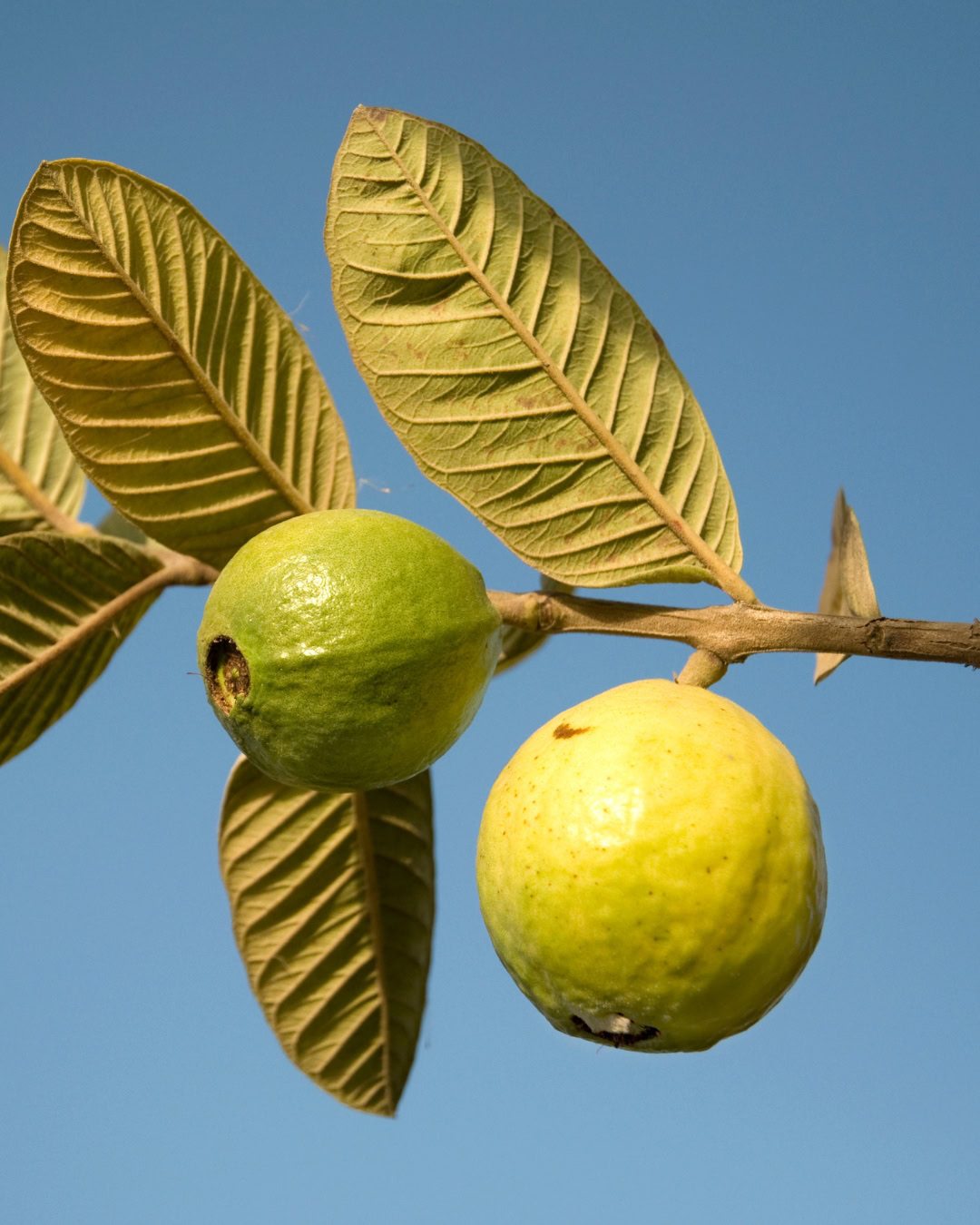
Guava (Psidium guajava) closes the list with an asterisk: it’s evergreen, not a classic temperate tree, but in warm regions a late-winter shaping cut works well. In sunny, irrigated areas pruning can even help organise production; in cooler spots the response is slower. So ask yourself: are you just cleaning up the canopy, or trying to push a new crop?
Guava fruits on new growth, so pruning both shapes the plant and encourages flowering. Per UF/IFAS Gardening Solutions (US), light annual pruning keeps the tree to a manageable 2.5 m (8 ft) or so — which also matters in storm- and cyclone-prone areas, where tall, multi-trunked guavas are more likely to split.
How to prune a guava
- Remove dry, broken, diseased, or very weak branches.
- Take out crossing, tangled, or inward-growing branches.
- Open the canopy for light and airflow.
- Shorten branches that already fruited, encouraging new lateral shoots.
- Reduce height if needed, cutting above well-placed laterals.
- Remove low shoots, suckers, and crowded branches at the base.
Main caution: don’t confuse a tidy guava cut with hard pruning. The plant responds well to regular management, but aggressive cuts delay production and unbalance the canopy. A quick heads-up: common guava is a recognised environmental weed in parts of Queensland and northern Australia (and in Florida and Hawai’i), so keep suckers and stray seedlings in check and check local rules before planting.
Fruit trees you should NOT prune in winter
Not every fruit tree belongs in the winter group. Some have no real dormancy, some flower or fruit in the cool season, and some fruit on wood you shouldn’t be removing. So before you cut, ask: is this plant actually resting, or am I just itching to use the secateurs?
In general, avoid heavy winter pruning on:
- Citrus (lemon, lime, orange, grapefruit, mandarin): evergreen, and often still carrying flowers or fruit in the cool season. Prune lightly, ideally after harvest.
- Mango: prune cautiously, generally after harvest, avoiding severe cuts and over-exposing the canopy.
- Avocado: no drastic cold-weather pruning, especially where frost is a risk.
- Lychee & longan: pruning affects new growth and the next bloom; do it after harvest.
- Loquat: often flowers or fruits in the cool months — winter cuts can remove that crop.
- Feijoa (pineapple guava, Acca sellowiana): evergreen and a backyard favourite right across Australia and New Zealand. Prune lightly after fruiting (autumn), not in the depths of winter.
- Custard apple, cherimoya & atemoya: subtropical and best pruned after harvest, not in cold weather.
- Acerola (Barbados cherry), Surinam cherry, jaboticaba: tropical/subtropical evergreens. They take cleanup and shaping, but not classic dormant winter pruning. Jaboticaba in particular fruits right on the trunk and main branches, so the wrong cut removes your fruit. (Note: Surinam cherry is a recognised environmental weed in parts of eastern Australia — keep it contained and check local rules.)
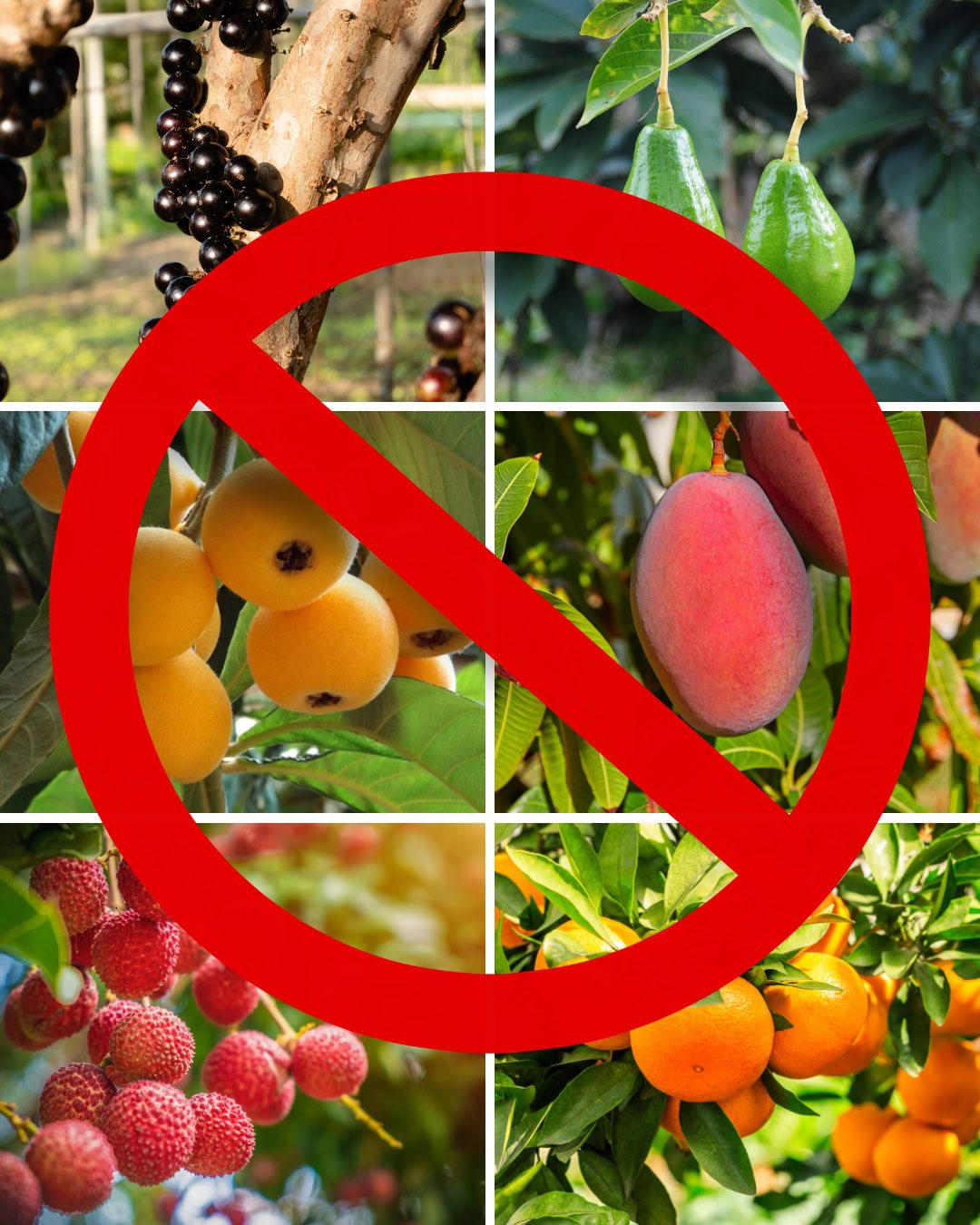
Practical rule: if a tree is flowering, loaded with fruit, newly planted, weakened, or you don’t know where it fruits, skip the big cuts. Limit yourself to removing dead, broken, or diseased wood. Corrective pruning can wait; a plant wounded at the wrong time may not recover.
Technique tips and post-pruning care
Good pruning starts before the first cut. Blunt tools, sloppy cuts, and diseased prunings left on the ground are three reliable ways to turn a simple job into a plant-health headache. Are you pruning to improve the tree, or to roll out the welcome mat for fungi, borers, and rot?
- Use sharp, clean tools: bypass secateurs, a pruning saw, and loppers that cut cleanly without crushing tissue.
- Disinfect between plants and diseased cuts: 70% isopropyl alcohol or methylated spirits is a practical home option — important for fire blight on pears and bacterial canker on stone fruit.
- Choose dry days: avoid pruning in rain or persistent humidity, since wet wounds invite disease.
- Make clean cuts: cut to the right point without leaving long stubs or wounding the trunk.
- Respect the branch collar: don’t cut flush to the trunk — that collar is where the tree seals the wound.
- Avoid drastic pruning: removing too much triggers unbalanced regrowth and reduces fruiting.
- Remove contaminated debris: don’t leave fungus-, canker-, or borer-affected wood under the plant.
- Watch the regrowth: if lots of vigorous vertical shoots appear, thin them later and keep the best-placed ones.
- Fertilise carefully: too much nitrogen pushes leaves at the expense of fruit.
- Monitor pests and disease: cuts are temporary entry points — watch for dieback, oozing, rot, and borers in the following weeks.
- Consider a copper spray: in humid regions, on plants with a disease history, or after big cuts, a preventive copper fungicide (such as a Bordeaux mixture / copper-based spray) can help guard wounds against fungi and bacteria. Follow the label rate and don’t over-apply — excess copper builds up in the soil.
- Don’t forget thinning: even great pruning falls short without fruit thinning. Removing excess young fruit gives you larger, better fruit and reduces “biennial bearing” (a heavy crop one year, a poor one the next).
Small, clean cuts heal on their own for most fruit trees. Larger cuts, sensitive species, or disease-prone wood need more attention — and the old rule still holds: the best healing starts with the right cut.
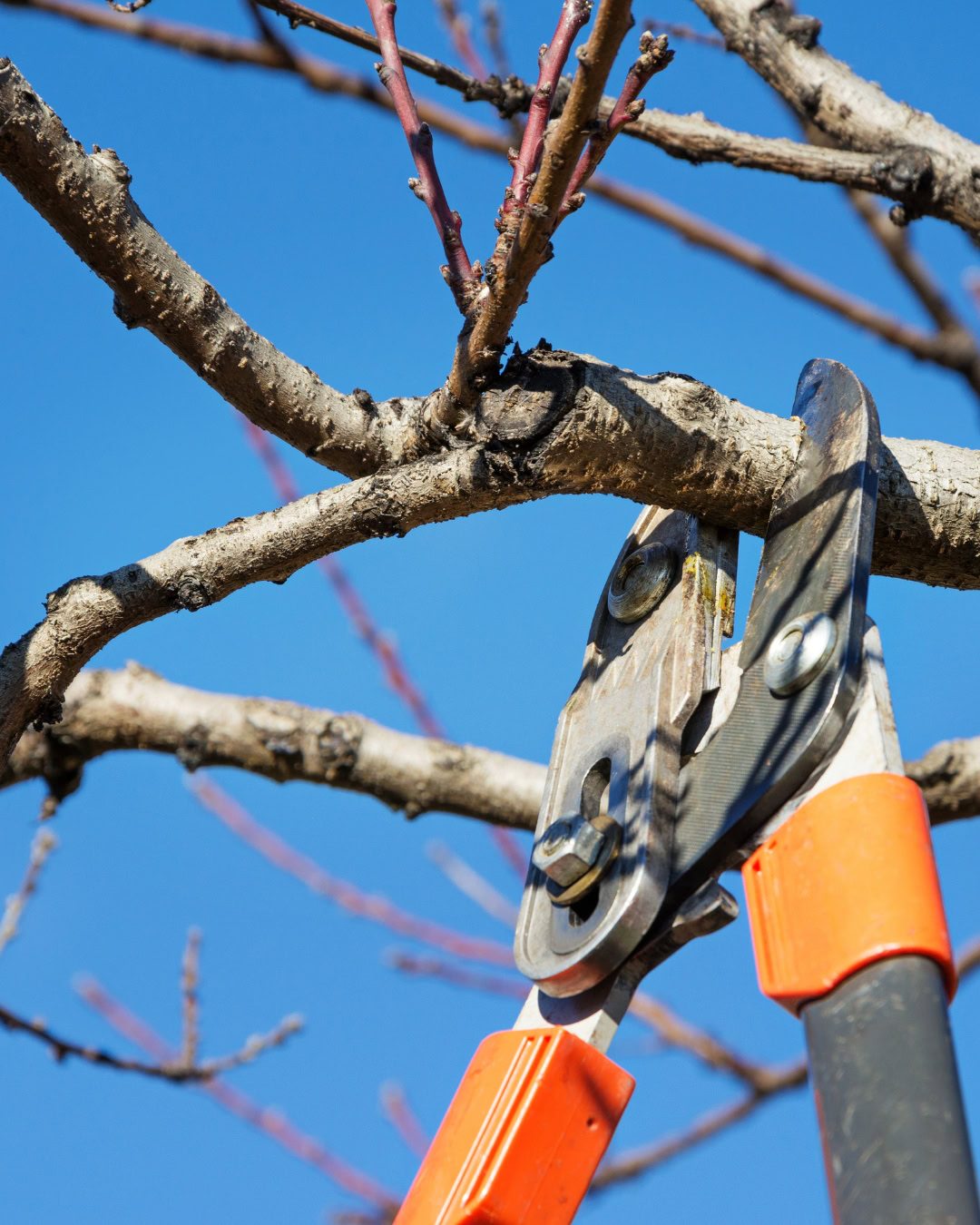
Winter pruning doesn’t have to be intimidating
Pruning a fruit tree in winter can feel daunting, but it doesn’t have to be an ordeal. The secret is simple: identify the species, confirm it’s dormant, learn where it fruits, and start with the safest cuts. You don’t need to sculpt the tree or undo years of neglect in one afternoon. Just don’t get carried away halfway through and cut more than you meant to (I’ve done that exactly once).
If your tree is full of dead, crossing, diseased, tangled, or over-tall branches that make harvesting a chore, pruning may be precisely the care it needs. With clean tools, proper cuts, and a little patience, you’ll usually get a more balanced canopy, better light and airflow, and fruit you can actually reach.
So take a breath and stop fearing the secateurs. Start small, watch how the plant responds, and learn from each session. In the garden, courage isn’t cutting everything back — it’s making the right cut, on the right plant, at the right time. Your tree doesn’t need panic. It needs good management.