If you grow plants, whether in a pot on the balcony, in an herb bed, or in a real garden, at some point you will run into a fundamental question: how do you nourish the soil without relying on industrial chemical fertilizers? The answer lies, in large part, in composting and organic fertilization. This guide was written to bring together scientific principles, practical techniques, and the perspective of someone who has cared for plants for a long time.
What composting is, and why it changes everything
At its core, composting is imitating what nature has always done: turning organic matter into humus, the component that makes soil alive, fertile, and well structured. When a leaf falls in a forest and decomposes on the ground, composting is happening. What we do in our yards and kitchens is simply organize and speed up this process.
Enjoyed this guide? There's more where it came from.
Understanding why plants behave the way they do is what turns guesswork into a thriving garden. That's exactly what we share in the Shrubz newsletter — free, straight to your inbox:
- Seasonal care reminders timed to your gardening calendar
- Propagation and pruning techniques, explained step by step
- Pest and disease alerts — catch problems before they spread
Finished compost, that dark, crumbly earth with a woodland smell, is called humus or compost. It not only supplies nutrients to plants; it physically improves the soil, increases its water-holding capacity, supports microbial life, and creates an environment where roots can develop easily. Soil with a good humus content is resilient: it withstands drought, heavy rain, and temperature swings better.
That is why, when we talk about composting, we are not just talking about “reusing organic waste,” although that is a huge bonus. We are talking about building soil. And building soil is building the future of your garden.

How decomposition works: what happens inside the compost
To compost well, it helps to understand what is happening inside the pile. The decomposition of organic matter is a biological process carried out mainly by microorganisms such as bacteria, fungi, and actinomycetes, which feed on organic materials and, in the process, transform them into simpler compounds.
These organisms need four things to work efficiently: carbon, nitrogen, moisture, and oxygen. Carbon is their energy source; nitrogen is what allows them to build proteins and reproduce. The relationship between these two elements, the famous C:N ratio, is the heart of composting.
- Carbon-rich materials (the “dry” or “brown” materials) include dry leaves, cardboard, straw, untreated wood sawdust, shredded branches, and tree bark. They have a high C:N ratio, decompose more slowly, and form the structural backbone of the pile. Notice that these materials are generally drier.
- Nitrogen-rich materials (the “fresh” or “green” materials) include fruit and vegetable scraps, coffee grounds, manure from herbivorous animals, grass clippings, and green leaves. They have a low C:N ratio, decompose quickly, and provide the microbial fuel for the pile. Notice that these materials are more moist.
The ideal proportion is around 25 to 30 parts carbon to every part nitrogen. In practice, this is usually achieved by alternating layers of dry and moist material, or by mixing roughly two parts brown material for every part green material by volume.
When the ratio is off, you can tell: too much nitrogen causes an ammonia smell and the pile becomes soggy and pasty. Too much carbon causes decomposition to nearly stop, the pile stays dry, and it does not heat up. The balance between the two is what makes the process work.
The different composting methods
There is no single right way to compost. The best method is the one that fits your space, the amount of waste you generate, and the time you have available. Learn about the main options:
Traditional aerobic composting (pile)
This is the classic method: you stack the organic materials in alternating layers, maintain proper moisture, and turn the pile periodically to ensure aeration. The heat generated during the active phase of decomposition can reach 131–158°F (55–70°C) at the center of the pile, which eliminates pathogens and weed seeds. Under ideal conditions, the compost is ready in two to four months.
For anyone who has a garden and generates a considerable volume of organic waste—branches, leaves, pruning debris, fruit peels—this is the most efficient option. If you want to understand the two main approaches to aerobic composting, this article on the two ways to make compost explains each one clearly.

Vermicomposting (worm bin)
Vermicomposting uses earthworms, usually the species Eisenia fetida (red wiggler), to speed up decomposition. The worms ingest the organic matter, and what comes out the other end is worm castings, one of the most complete organic fertilizers there is.
The worm bin is ideal for anyone living in an apartment, a townhouse, or anyone with limited space. It does not require turning, produces little or no odor when properly managed, and generates two products: solid worm castings and biofertilizer (the dark leachate that drains from the compost), which can be diluted and used as liquid fertilizer.
If you want to set one up at home, the step-by-step guide to a homemade worm bin will walk you through everything from choosing the box to managing the worms.

Millipede composting
Less well known, millipede composting uses millipedes (diplopods, or “garden pillbugs”) instead of earthworms. These small arthropods are natural detritivores and process organic matter differently from earthworms, producing a compost with its own characteristics. For anyone who wants to try something different and understand how it works in practice, there is a detailed guide to box-based millipede composting.
Bokashi
Bokashi is a method of anaerobic fermentation of organic waste that originated in Japan. Unlike aerobic composting, it does not involve full decomposition; what happens instead is an acidic fermentation of the materials, preserving more nutrients in the process. The result is a pre-fermented material that can be buried directly in the soil or used to inoculate a conventional compost pile. The difference is that fermentation is a compost that stops halfway, without being fully finished.
One of bokashi’s biggest advantages is that it accepts almost any organic waste, including meat, dairy products, and cooked foods—materials that should not go into traditional aerobic composting. This makes it perfect for families who want to compost absolutely everything that comes out of the kitchen.
To learn how to make bokashi from scratch, including preparing the bran inoculated with effective microorganisms (EM), check out the complete guide on how to make bokashi. And to understand how to use the fermented material in the garden, the article on how to use bokashi is essential reading.
What can and cannot go into composting
One of the most common questions for beginners is which materials are suitable for composting. The list of what can go in is long; the list of what cannot is much shorter.
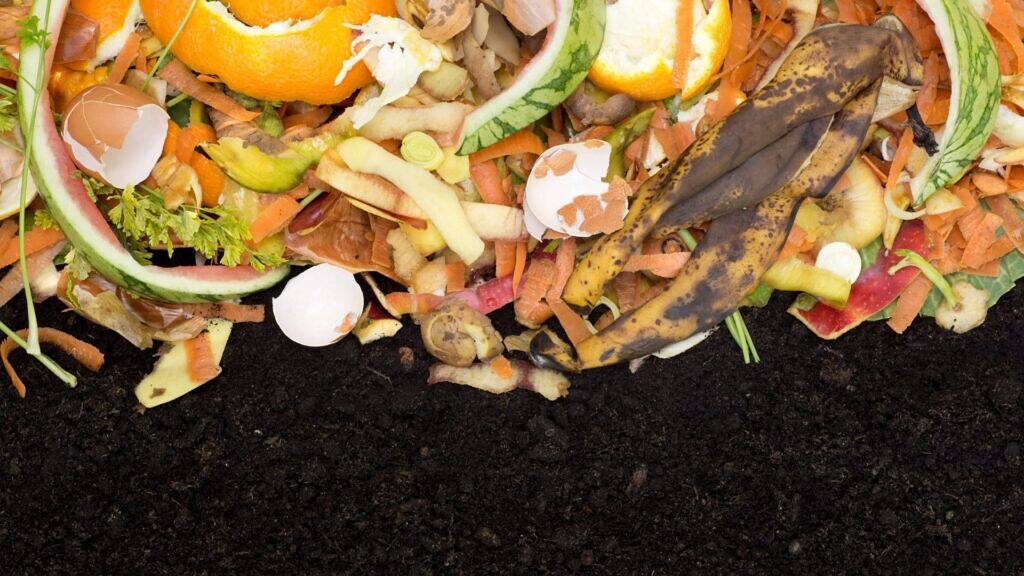
- Can go into the compost: fruit, vegetable, and leafy greens scraps (including peels and stems), coffee grounds and paper filters, tea bags, crushed eggshells, fresh grass clippings, dry and green leaves, straw, cardboard and kraft paper without colored ink, shredded fine branches, manure from herbivorous animals (cattle, horse, rabbit, chicken), wood ash in small amounts, and disease-free garden plant trimmings.
- Should not go into traditional aerobic compost: meat, fish, and seafood (attract pests), dairy products and eggs (smell and pests), oils and fats in large quantities, carnivore feces (dogs and cats, due to the risk of disease and worms), diseased plants or plants treated with herbicides, chemically treated wood, synthetic materials.
The article how to recycle food scraps offers a broader view of the proper destination for each type of organic waste.

Signs that the compost is healthy (and what to do when it isn’t)
Learning to “read” compost is one of the most valuable skills for anyone with a compost bin. Healthy compost smells like wet soil, has a slightly elevated temperature in the center (especially in the first few weeks), and contains living organisms such as earthworms, oribatid mites, beetles, and centipedes.
- Ammonia smell: excess nitrogen-rich material. Add dry leaves, cardboard, or sawdust and turn it well for aeration.
- Rotten egg smell (hydrogen sulfide): anaerobic conditions caused by excess moisture or compaction. Turn it immediately, add dry material, and check drainage.
- Dry pile with no decomposition: lack of moisture or excess carbon. Moisten with water and add green material.
- Presence of flies or ants: usually indicates fresh material that was not properly covered. Bury fresh scraps in the center of the pile and cover with a layer of dry material.
- Very slow compost: may be due to lack of oxygen (turn it), moisture (water it), or an improper C:N balance. Reevaluate the material ratio.
Organic fertilizers beyond compost
Composting is the backbone of organic fertilization, but it is far from the only tool. There is an entire family of fertilizers and soil amendments of natural origin, each with specific characteristics that make them more or less suitable for different situations.
Manures
Manures from herbivorous animals are rich, widely used organic fertilizers. Each type has a different nutrient profile: chicken manure is the most concentrated in nitrogen; cattle manure is more balanced and slower-release; rabbit manure is considered “cold” (it can be used without curing – in the garden, not in containers); horse manure is rich in carbon and excellent for improving soil structure.
Important note: fresh manures must be cured (composted) before being used in the garden. Fresh manure can burn roots due to excess ammonia and may contain pathogens. Curing time ranges from two months (chicken manure) to four months (cattle manure), but this may vary depending on ambient temperature. To understand how to use each type correctly, the article on how to use manures in fertilizing plants and gardens is a complete reference.
Bone meal
Bone meal is an excellent source of phosphorus and calcium for the soil, both essential elements for root development, flowering, and fruiting. It releases slowly, which makes it a safe choice with long-lasting effects. For those who want to make their own, the article on how to make your own bone meal explains the process at home.
Eggshell meal
Many people already know that eggshells are rich in calcium. But for this nutrient to be available to plants, the shells need to be ground very finely; the smaller the particle, the faster it becomes available. In addition to correcting soil acidity and supplying calcium, eggshell meal can also repel some mollusks (slugs and snails) when spread around plants. The tutorial on how to make eggshell powder and the article on how to use eggshells for healthier plants cover all the ways they can be used.

Coffee grounds
Coffee grounds are a kitchen byproduct with very specific uses in the garden. They are mildly acidic, rich in nitrogen, magnesium, and copper, and can be beneficial for plants that prefer acidic soil, such as azaleas, hydrangeas, blueberries, and ferns. However, excessive use can cause problems. The accumulated acidity can harm plants adapted to neutral or alkaline soil, and excess nitrogen can encourage vegetative growth at the expense of flowering. To understand exactly how and when to use them, read the article on coffee grounds on plants.
Wood ash
Pure wood ash (without salt, grease, paint, varnish, or chemical treatment residues) is rich in potassium, calcium, and several micronutrients, and is also an excellent acidity conditioner; in terms of its action, it is equivalent to dolomitic lime. Its use, however, requires moderation and caution: in excess or in already alkaline soil, it can raise the pH too much and lock up the availability of micronutrients such as iron and manganese. The complete guide on how to use wood ash on plants explains dosages, frequency, and which plants benefit from it (and which ones to avoid).

Liquid biofertilizers
Biofertilizers are organic fertilizers in liquid form, generally produced through composting, vermicomposting, or fermentation of materials such as manure, molasses, medicinal plants, and other organic compounds. They have the advantage of being rapidly absorbed by plants, both foliar and through the roots, and of inoculating the soil with beneficial microorganisms.
There are many recipes available, but not all of them are reliable. If you want to learn how to make a high-quality biofertilizer, the article on how to make your own biofertilizer is the right starting point.
The problem with “plant smoothies” and blender recipes
In recent years, miracle recipes for “smoothies” and “superfoods” for plants have proliferated on social media: fruit, vegetable, and greens peels blended in a blender; purees with eggshells and flours; mixtures of honey, milk, vinegar, baker’s yeast, and so on. Most of these recipes have no agronomic backing and, in many cases, can cause real damage.
Plants do not absorb nutrients the same way animals absorb vitamins. They synthesize their own organic compounds from simple mineral elements (nitrogen, phosphorus, potassium, calcium, magnesium, sulfur, and micronutrients). Pouring a non-composted mixture around the roots does not “feed” plants and can unbalance the potting mix pH, harm root aeration, attract flies and fungus gnats, encourage the growth of pathogenic bacteria and fungi, and create an anaerobic environment harmful to roots.
The article plant smoothies: avoid blender recipes explains in detail why these recipes are problematic and what actually works instead.
Rice water, aquarium water, and other organic liquids
Some organic liquids have real use in the garden, with the proper caveats. The water used to rinse rice contains starch and some minerals that can benefit soil microbiota when used diluted and in well-drained soil. Freshwater aquarium water, on the other hand, is an excellent free liquid fertilizer, rich in nitrogen in the form of ammonia and nitrate, and in phosphorus. But context matters: in potting mixes with poor drainage, any excessive application of organic liquid can create anaerobic conditions and root rot.
For an honest analysis of the benefits, risks, and correct ways to use it, the article about rice water for plants is a balanced, well-founded guide.
How salinity affects potted plants
A silent and very common problem in plants grown in containers, especially when concentrated organic fertilizers are used (such as too much chicken manure) or mineral fertilizers without proper judgment, such as NPK, is the buildup of salts in the potting mix. Excess dissolved salts create a reverse osmosis phenomenon: instead of the roots absorbing water from the soil, water from the root cells migrates into the potting mix. The result is a plant that wilts even with moist potting mix, with leaf edges burned and stunted growth.
The solution is leaching the potting mix: heavy irrigation that forces the salts out through the drainage holes. The article about flushing the potting mix and how to remove excess salts explains how to carry out the procedure correctly.
Castor bean cake: caution with pots
Castor bean cake is an organic fertilizer rich in nitrogen (around 5% N) that also has an insecticidal action against nematodes and some soil insects. In raised beds and gardens, its use is well established and effective. In pots, however, it is a different story: fresh castor bean cake ferments in the confined potting mix, raises the temperature, consumes available oxygen, and can kill the roots. In addition, it has an unpleasant odor during decomposition and can attract flies.
The article why you should not use castor meal in pots details the mechanisms behind this problem and presents safer alternatives for fertilizing container plants.
How to fertilize naturally: an overview of the strategies
Organic fertilization is not an isolated action; it is a system. For those who want to structure garden management organically and sustainably, it makes sense to have an overview of the multiple approaches available and know when to apply each one. The article about 8 ways to fertilize your garden naturally offers exactly this overview, with practical applications for different situations.
For those taking their first steps in organic gardening as a philosophy, not just a technique, the 8 tips to get started in organic gardening are a valuable entry point, covering everything from choosing inputs to the long-term mindset that gardening without agrochemicals requires.
The importance of soil pH in organic fertilization
It is no use having excellent compost if the soil pH is outside the range suitable for the plant. pH directly affects nutrient availability: in very acidic soils (pH below 5.5), elements such as aluminum and manganese become excessively soluble and toxic; phosphorus becomes bound; and nutrients such as calcium and magnesium become unavailable. In very alkaline soils (pH above 7.5), iron, zinc, boron, and manganese become poorly soluble, causing chlorosis and deficiencies even in soils that are theoretically fertile.
The ideal pH range for most cultivated plants is between 6.0 and 6.8, where the availability of almost all nutrients is maximized. To correct acidic soils, we use dolomitic limestone (which also supplies calcium and magnesium) or wood ash. For alkaline soils, elemental sulfur, pine bark compost, or coffee grounds can help with gradual acidification.
Macronutrients and micronutrients: what plants need
To understand organic fertilization in depth, it is useful to know plants’ nutritional needs.
- Primary macronutrients — nitrogen (N), phosphorus (P), and potassium (K) — are the most consumed and are generally the ones that need the most frequent replenishment. Nitrogen is essential for vegetative growth (leaves and stems); phosphorus is critical for roots, flowering, and fruiting; potassium regulates key physiological processes such as stomatal opening, sugar transport, and disease resistance.
- Secondary macronutrients — calcium, magnesium, and sulfur — are equally indispensable, although needed in smaller amounts. Calcium structures cell walls; magnesium is a central component of the chlorophyll molecule; sulfur is part of amino acids and vitamins.
- Micronutrients — iron, manganese, zinc, copper, boron, molybdenum, and chlorine — are needed in trace amounts, but their absence causes severe deficiencies. The good news is that soils rich in organic matter and with an appropriate pH rarely show micronutrient deficiencies, because humus complexes and protects these elements, keeping them available.
Composting in small spaces: apartments and balconies
People who live in apartments often believe that composting is not feasible. That idea is outdated. With the right techniques, a home worm bin, bokashi, or even a small countertop composter, it is possible to handle all kitchen organic waste without leaving home.
The worm bin made from a polypropylene box (those stackable tool or closet storage boxes) is the most popular and efficient solution for apartments. It takes up little space (it can be kept under the laundry sink), has no smell when properly managed, and produces top-quality humus. The leachate it generates, diluted in water (at a 1:10 ratio), is an excellent foliar and root fertilizer.
For those who truly have very little space or want a complementary solution for waste that the worm bin does not handle well (such as onions, excess citrus, and very acidic foods), bokashi in an airtight bucket is the answer.
How to use finished compost
Having quality compost is half the work. The other half is knowing how to use it. Mature compost can be used in several ways:
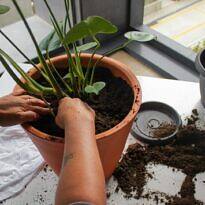
- As a potting mix conditioner: mix 20 to 30% mature compost into the potting mix when preparing pots or beds. It improves structure, drainage, and moisture retention at the same time.
- As mulch (mulching): apply a 1 1/4 to 2 inch (3 to 5 cm) layer of compost around the plants, without touching the stem. In addition to gradually releasing nutrients, it reduces evaporation, regulates soil temperature, and suppresses weeds.
- As planting fertilizer: add a generous amount of compost to the bottom of the hole or bed before transplanting.
- As maintenance fertilizer: in established gardens, apply compost to the soil surface two to four times a year. Irrigation and the activity of soil organisms will incorporate the material naturally.
- Worm bin leachate (biofertilizer) is a liquid fertilizer that is quickly absorbed, excellent for biweekly application during active growth. Always use diluted: the ideal concentration varies between 1:5 and 1:20 depending on the plant and the period.
Principles of Long-Term Organic Management
Organic fertilization does not work like mineral fertilization; you don’t apply it and see results in two days. Organic work is an investment in the soil that pays off over the seasons. The more you compost, the more humus accumulates in the soil, the more the microbial life diversifies, and the more resilient your garden becomes.
- Never leave the soil exposed. Bare soil loses moisture, suffers erosion, and exposes the microbiota to UV light and heat. Read all about mulching in this article.
- Minimize soil disturbance. Every time you deeply till the soil, you destroy the structure that mycorrhizal fungi took months to build. Prefer no-till or reduced-tillage techniques.
- Diversify fertilizers. Each organic source has a different nutrient profile. Using only compost, or only manure, limits the range of nutrients available. Combining mature compost with bone meal, wood ash, and biofertilizer creates a more complete system.
- Observe the plants. They clearly communicate nutrient deficiencies through interveinal yellowing (magnesium or iron deficiency), scorched leaf edges (excess salts or potassium deficiency), and stunted growth (nitrogen, phosphorus, or unsuitable pH). Learning to read these signs is what separates the experienced gardener from the beginner.
- Respect the cycle. The more garden and kitchen organic waste you return to the soil in the form of compost, the less you need to buy from outside. In gardens managed organically for years, the system tends toward balance, and plants get sick less often, grow stronger, and produce more.

Frequently asked questions about composting and organic fertilization
Can compost be used on indoor plants?
Yes, but in moderation. Mature compost can be part of the potting mix for indoor plants (up to 20–25% of the blend), but it should not be used alone in closed pots, as it can compact and reduce drainage. Prefer compost that is very well cured and has a fine texture.
Can I compost paper and cardboard?
Yes, as long as it is not glossy paper (coated), paper with excessive color printing, or plastic-laminated cardboard. Uncoated corrugated cardboard and kraft paper are excellent carbon-rich materials for composting.
How long does it take for compost to be ready?
It varies greatly depending on the method and conditions. An active worm bin produces humus in 30 to 60 days. A well-managed aerobic compost pile is ready in 2 to 4 months. A neglected pile without turning can take 12 months or more.
How can I tell if compost is mature?
Mature compost has a dark color, a uniform granular texture, a pleasant woodland-earth smell, and ambient temperature. If it still has a sour smell, recognizable undecomposed materials, or an elevated temperature, it needs more time.
Can I use compost as the only fertilizer for all plants?
For most ornamental plants and vegetables, good-quality compost is enough for maintenance. Plants with specific needs, such as heavy flowering, fruiting, or species that have high demand for a particular nutrient, may need supplementation with specific fertilizers such as bone meal (phosphorus) or wood ash (potassium).
This guide is the foundation, but the learning goes far beyond that. Explore the articles that expand on what you learned here: on alternative composting methods, the step-by-step gongo composting and the complete process of how to make and how to use bokashi. To go deeper into fertilization, explore how to make homemade biofertilizer, the production of bone meal and eggshell meal at home, and the proper use of manure, wood ash, and coffee grounds. For those who want to recycle as much as possible: how to recycle food scraps, the multiple uses of eggshells, and the possibilities and limits of rice water for plants. And for a broader view: the 8 ways to fertilize naturally and the 8 tips to get started with organic gardening.